


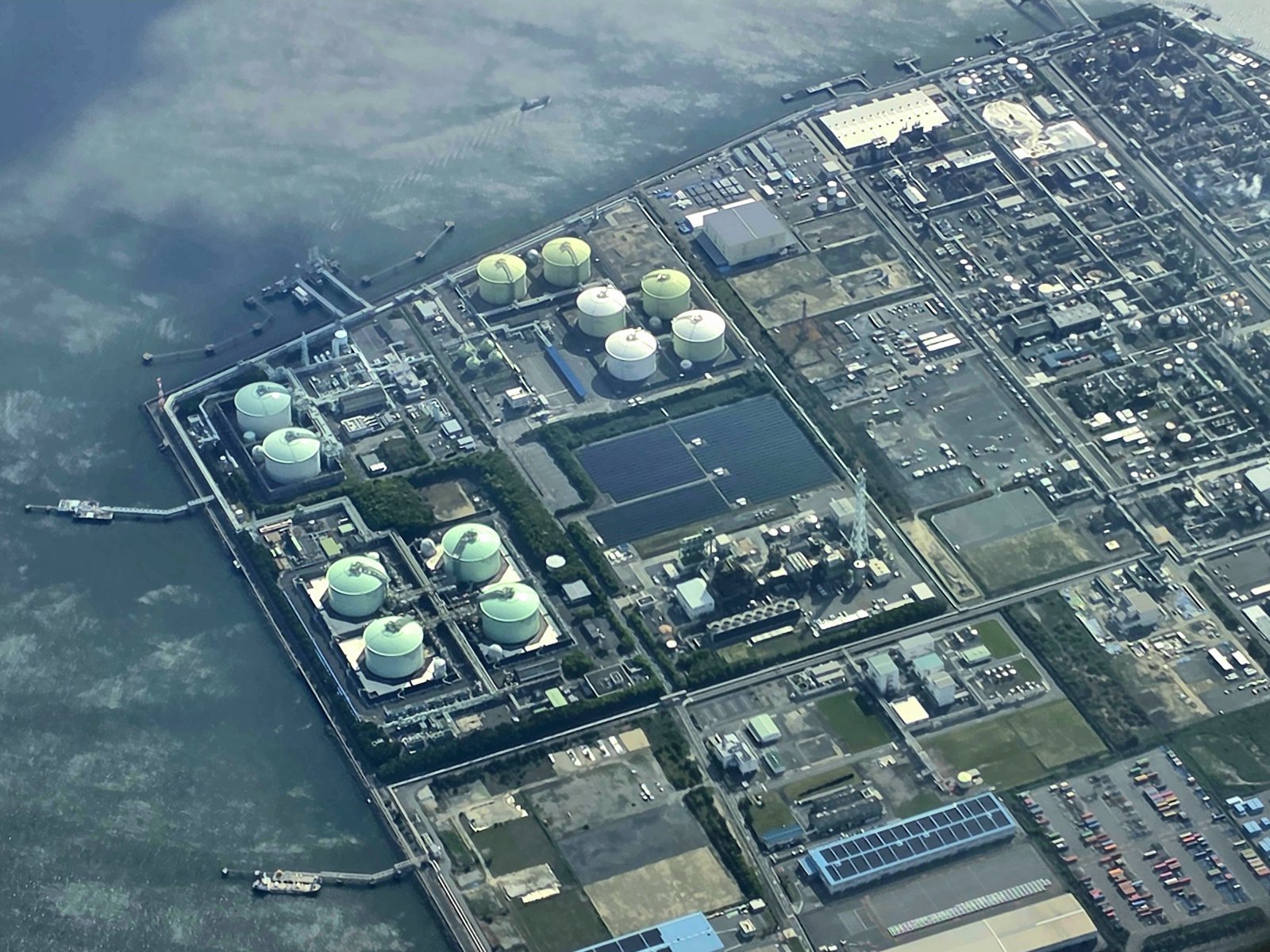
Japan Secures U.S. and African Crude Oil Amid Hormuz Blockade
Translated from Korean, summarized and contextualized by DistantNews.
At a glance
News
Sources not specified
Context piece
- Japan received crude oil from the U.S. and Africa following the blockade of the Strait of Hormuz.
- An oil tanker carrying crude from Alaska arrived on July 7, marking the first such delivery since the Iran conflict escalated.
- Another tanker with oil from South Sudan also reached Japan, with total imports covering about half a day's domestic consumption.
Japan has secured crude oil supplies from the United States and Africa amid the blockade of the Strait of Hormuz due to the conflict between the U.S. and Iran. On July 7, an oil tanker carrying approximately 116,000 kiloliters of crude oil from Alaska, procured by Japanese refiner Idemitsu Kosan, arrived at a mooring facility in Tokyo Bay. This oil is slated for transport via an undersea pipeline to a refinery in Sodegaura City, Chiba Prefecture. Concurrently, a tanker operated by Taiyo Oil, carrying about 36,000 kiloliters of crude oil sourced from South Sudan, docked at a refinery in Imabari City, Ehime Prefecture, on the same morning. These deliveries represent the first imports of crude oil from Alaska and South Sudan since the escalation of the Iran conflict. The combined total of roughly 152,000 kiloliters from these two sources is equivalent to about half a day's worth of Japan's domestic crude oil consumption. The Ministry of Economy, Trade and Industry noted that while crude oil imports decreased by up to 35% year-on-year in April due to worsening Middle East tensions, alternative procurement routes, including those from the U.S., are enabling a recovery. The ministry anticipates that crude oil imports for July could exceed 70% of the previous year's levels.
DistantNews Editorial
Originally published by Dong-A Ilbo in Korean. Translated, summarized, and contextualized by our editorial team with added local perspective. Read our editorial standards.
More Stories


From Our Blog

What Gets Lost (and Found) When News Is Translated

The Critical Role of Diaspora Media in Global News

What Travellers Should Know About Countries with Restricted Press

A Digital Nomad's Guide to Following Local News

How the Same Story Looks Different in Different Countries
