

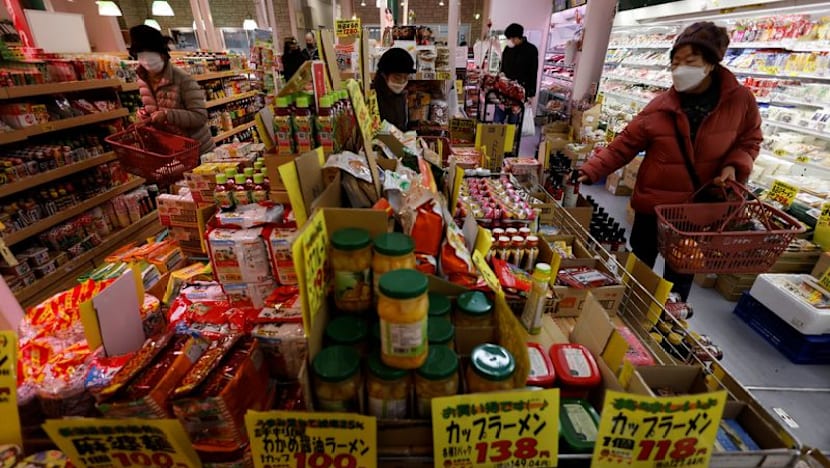

Japan small firms cite high procurement costs as biggest hit from Iran war
Translated from English, summarized and contextualized by DistantNews.
At a glance
News
Named sources
New plan
- A survey of Japanese small and medium-sized enterprises found that rising procurement costs are the biggest business strain from the Middle East conflict.
- Over 70% of firms reported increased fuel and petrochemical prices, with supply disruptions affecting more than half.
- Companies urged the government to ensure stable energy supplies and provide financial relief.
Small and medium-sized businesses in Japan are feeling the pinch from the Middle East conflict, with surging procurement costs identified as their biggest challenge. A joint survey by the Japan Chamber of Commerce and Industry and the Tokyo Chamber of Commerce and Industry revealed that 74.8% of companies cited rising procurement costs as a major strain.
Rising procurement costs topped the list of business impacts at 74.8 per cent, followed by higher fuel prices at 62.9 per cent and increased logistics costs at 38.7 per cent.
The survey, which polled 2,497 firms nationwide from May 7-29, also found that 62.9% experienced higher fuel prices, and 38.7% faced increased logistics costs. These rising expenses are impacting various sectors, with manufacturing, construction, and hospitality reporting the highest burdens. Construction firms, in particular, have struggled with supply bottlenecks and order losses due to delivery delays.
While nearly half of the surveyed firms (46.6%) managed to pass on some of the increased costs to customers, a similar portion (48.4%) were unable to do so. The most common strategies employed by businesses to cope included price pass-through (39.7%), stockpiling goods (38.9%), and building inventories of fuel and raw materials (16%).
About 46.6 per cent of firms said they had fully or partially passed on higher costs to customers; 48.4 per cent said they had largely or entirely failed to do so.
In response to these challenges, businesses are calling on the government for support. Their requests include securing stable energy supplies, providing relief on electricity, gas, and fuel costs, and offering cash-flow assistance to help them navigate the economic pressures.
The most common corporate response was price pass-through, cited by 39.7 per cent of firms, followed by stockpiling consumer goods at 38.9 per cent and building fuel and raw-material inventories at 16 per cent.
DistantNews Editorial
Originally published by The Straits Times in English. Translated, summarized, and contextualized by our editorial team with added local perspective. Read our editorial standards.
More Stories



From Our Blog

What Gets Lost (and Found) When News Is Translated

The Critical Role of Diaspora Media in Global News

What Travellers Should Know About Countries with Restricted Press

A Digital Nomad's Guide to Following Local News

How the Same Story Looks Different in Different Countries
