

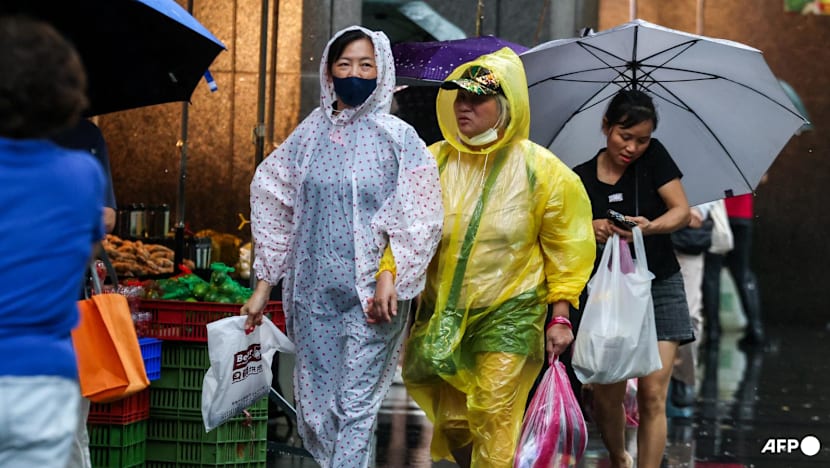

Japan tourist hot spot Hakone aims to implement accommodation tax
Summarized and contextualized by DistantNews.
At a glance
News
From a news agency
New plan
- Hakone, a popular Japanese tourist destination, plans to implement an accommodation tax starting in fiscal 2028.
- The tax will be a fixed rate of 350 yen per person per stay at designated facilities, with exemptions for children and students on school trips.
- Revenue generated will fund essential services like waste disposal, emergency services, and road repairs, addressing a projected annual shortfall due to high tourist numbers.
The popular Japanese tourist town of Hakone is planning to introduce a new accommodation tax, aiming to implement it by fiscal year 2028. This move comes as the local government seeks to address funding shortfalls exacerbated by the high volume of tourists visiting the renowned hot spring resort.
The proposed tax will be levied on stays at hotels, ryokan inns, and other lodging facilities. Unlike existing accommodation taxes in other Japanese municipalities, Hakone's tax will not have restrictions on how the collected revenue can be utilized. This flexibility is crucial for the town, which faces significant financial pressures.
Approximately 800 designated facilities will collect a flat fee of 350 yen (about S$2.80) per person for each stay. Elementary school students and younger children, as well as students participating in school trips, will be exempt from the tax. The local government anticipates that this measure will generate around 1.4 billion yen annually, representing about 10% of the town's general budget.
Hakone, home to about 10,000 residents, attracts over 20 million tourists each year. This influx places a considerable burden on local infrastructure, particularly waste and sewage treatment. The town projects an annual funding shortfall of 1 billion yen by fiscal year 2028, necessitating new revenue streams.
The generated funds are earmarked for a variety of essential services, including waste management, maintaining fire and emergency medical services, and repairing public roads. Mayor Hiroyuki Katsumata expressed his vision for a tourism-oriented town where tourism and local life coexist beneficially. The local government plans to submit a bill to the town assembly in September for approval.
We aim to develop a tourism-oriented town where tourism and local life have a mutually beneficial impact on one another.
DistantNews Editorial
Originally published by The Straits Times. Summarized and contextualized by our editorial team with added local perspective. Read our editorial standards.
More Stories


From Our Blog

What Gets Lost (and Found) When News Is Translated

The Critical Role of Diaspora Media in Global News

What Travellers Should Know About Countries with Restricted Press

A Digital Nomad's Guide to Following Local News

How the Same Story Looks Different in Different Countries
