


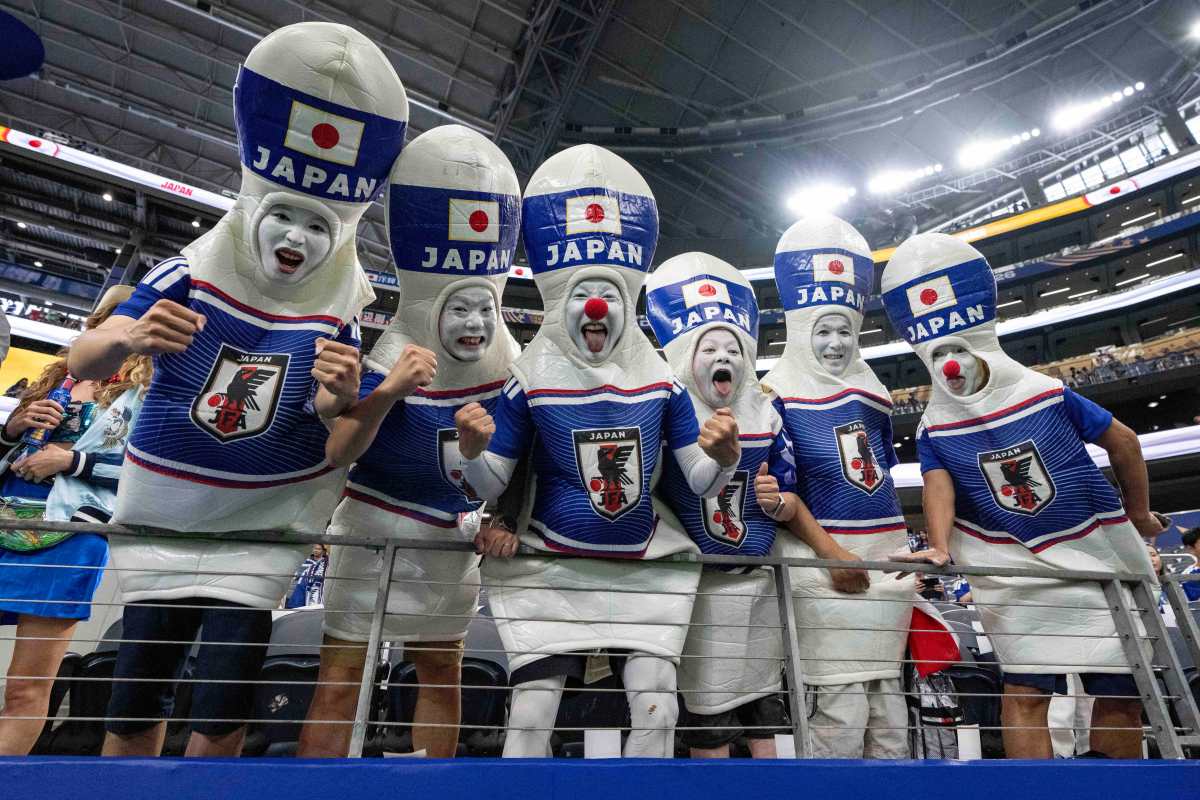
Japan vs. Sweden: World Cup 2026 Group F Showdown for Knockout Stage Berth
Translated from Spanish, summarized and contextualized by DistantNews.
At a glance
News
Sources not specified
Context piece
- Japan and Sweden face off in a crucial FIFA World Cup 2026 Group F match in Dallas, with both teams vying for advancement.
- Japan enters the match with four points after a draw and a dominant win, showcasing dynamic play and defensive solidity.
- Sweden, with three points, needs at least a draw to potentially advance, facing a Japan team that has impressed with its speed and midfield creativity.
Japan and Sweden clash in a decisive Group F encounter at the FIFA World Cup 2026 in Dallas, with both nations battling for a spot in the knockout stage. Japan, currently leading the group with four points, has impressed with dynamic football and a solid defense, securing a 2-2 draw against the Netherlands and a commanding 4-0 victory over Tunisia.
Sweden, sitting on three points, faces a must-win or draw scenario to keep their World Cup hopes alive. After a significant 5-1 win against Tunisia, they suffered a heavy 5-1 defeat to the Netherlands. Their path to the next round hinges on their performance against Japan and potentially other results.
The historical record between the two teams is evenly matched, with five previous encounters resulting in one win apiece and three draws. Their most recent meeting was a 1-1 draw in a friendly match in 2002.
Japan's fluid transitions and creative midfield, featuring players like Takefusa Kubo and Daichi Kamada, have been a highlight of their campaign. Coach has stressed the importance of maintaining a clean sheet. Sweden, relying on its physical strength, will look to its attacking threats, Alexander Isak and Viktor Gyökeres, to break down Japan's defense and exploit the flanks. A victory for Japan could see them top the group, while a loss would likely eliminate Sweden.
DistantNews Editorial
Originally published by Prensa Libre in Spanish. Translated, summarized, and contextualized by our editorial team with added local perspective. Read our editorial standards.
More Stories


From Our Blog

What Gets Lost (and Found) When News Is Translated

The Critical Role of Diaspora Media in Global News

What Travellers Should Know About Countries with Restricted Press

A Digital Nomad's Guide to Following Local News

How the Same Story Looks Different in Different Countries
