

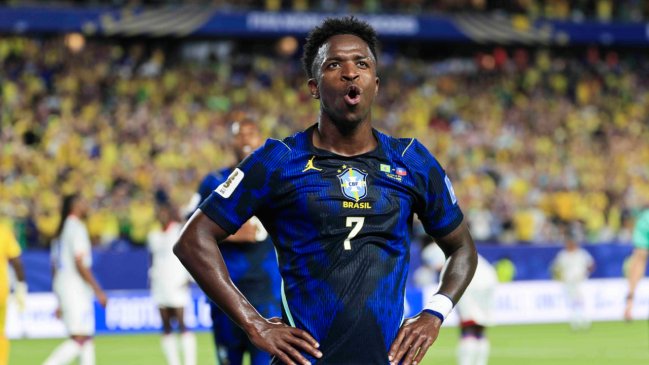

Japan vs. Tunisia to mark 1,000th match in World Cup history
Translated from Spanish, summarized and contextualized by DistantNews.
At a glance
News
Sources not specified
New plan
- Japan and Tunisia will play the 1,000th match in World Cup history on Saturday in Monterrey, Mexico.
- Japan is favored in the match, coming off a strong 2-2 draw against the Netherlands, with Takefusa Kubo leading their dynamic midfield.
- Tunisia, having lost their opener 5-1 to Sweden, has replaced their coach and is seeking to rebound under new management.
Japan and Tunisia are set to make history when they face each other Saturday in Monterrey, Mexico, marking the 1,000th match ever played in the FIFA World Cup. The Group F encounter kicks off at 04:00 GMT.
Japan enters the match as the favorite, buoyed by an impressive 2-2 draw against the Netherlands in their opening game. Their squad, featuring the dynamic midfield play of Takefusa Kubo, is known for its speed and ability to break down opposing defenses. Japan's likely formation includes Zion Suzuki in goal, with a defense of Shogo Taniguchi, Hiroki Ito, and Tsuyoshi Watanabe. The midfield is expected to feature Daichi Kamada, Kaishu Sano, Keito Nakamura, Ritsu Doan, Daizen Maeda, and Takefusa Kubo, supporting striker Ayase Ueda.
Tunisia, on the other hand, is in a precarious position after a heavy 5-1 defeat to Sweden in their first match. This loss led to the dismissal of coach Sabri Lamouchi. The team will now be led by Hervé Renard, who takes over in a desperate attempt to steer Tunisia back on course. Their starting lineup is anticipated to be Mouhib Chamakh; Ali Abdi, Yan Valery, Montassar Talbi, Omar Rekik, Amine Ben Hamida; Rani Khedira, Ellyes Skhiri, Anis Slimane, Hannibal Mejbri; and Elias Saad.
The historic match will be officiated by Romanian referee Istvan Kovacs. Fans can follow all the details through Cooperativa.cl's Virtual Scoreboard.
DistantNews Editorial
Originally published by Cooperativa in Spanish. Translated, summarized, and contextualized by our editorial team with added local perspective. Read our editorial standards.
More Stories


From Our Blog

What Gets Lost (and Found) When News Is Translated

The Critical Role of Diaspora Media in Global News

What Travellers Should Know About Countries with Restricted Press

A Digital Nomad's Guide to Following Local News

How the Same Story Looks Different in Different Countries
