


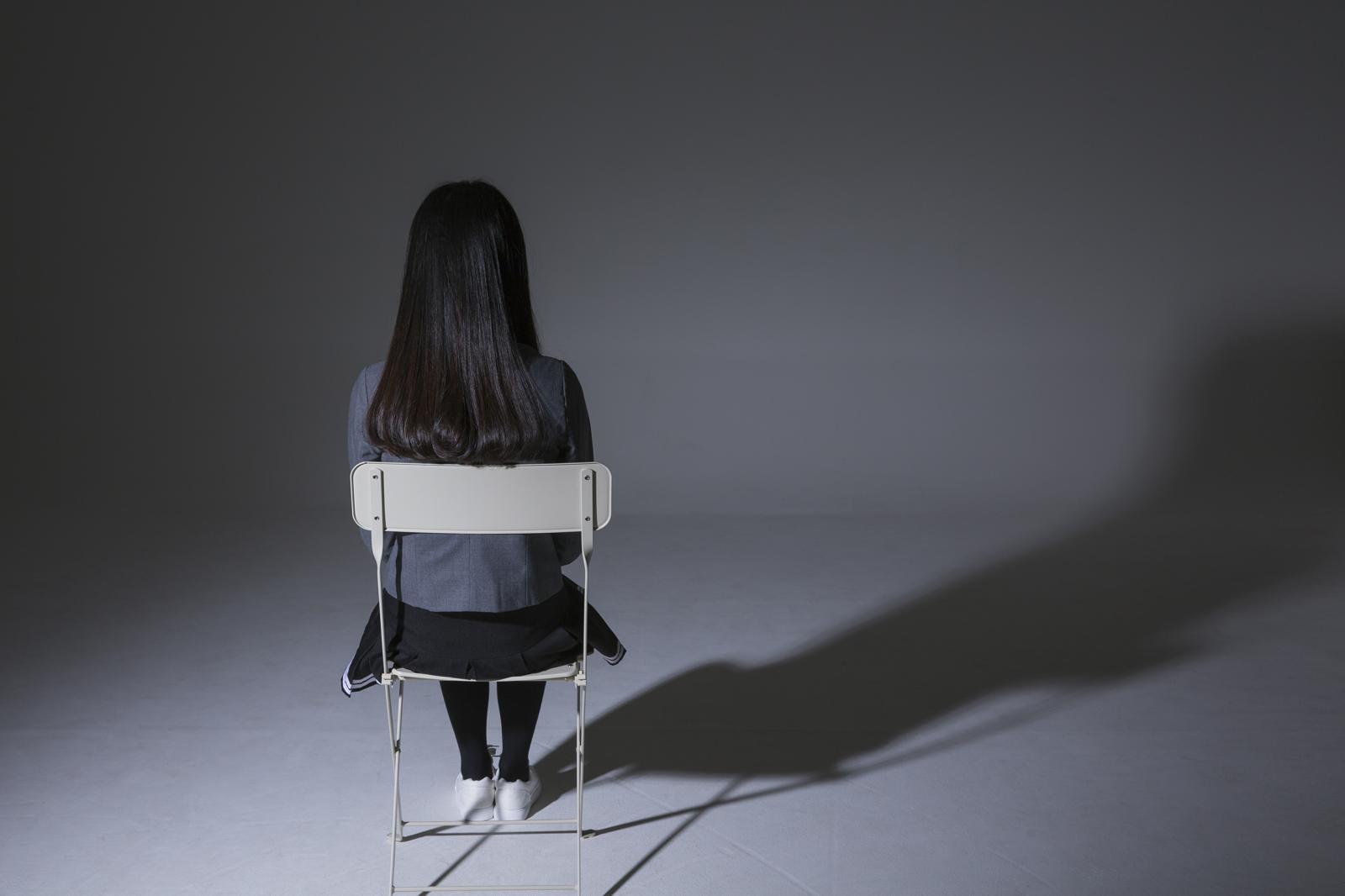
Japanese high schooler discovers she has testes after seeking medical help for lack of menstruation
Translated from Korean, summarized and contextualized by DistantNews.
At a glance
News
Sources not specified
Context piece
- A Japanese high school student discovered she had testes and XY chromosomes after seeking medical attention for never having started menstruation.
- Diagnosed with a sex development disorder (DSD), she underwent surgery at age 25 to remove the testes due to cancer risk.
- The individual is now working to raise awareness and create support networks for others with DSD.
A Japanese high school student, identified only as Ms. A, discovered she possessed testes and XY chromosomes after seeking medical help for never having experienced her first period. The case, reported by the Asahi Shimbun-affiliated online media WithNews, sheds light on the complexities of sex development disorders (DSD).
Born in 1981 in Japan's northern Kanto region, Ms. A grew up presenting as female. She had noticed a ball-like protrusion near her external genitalia since childhood, a detail her parents also observed. However, as it caused no apparent health issues, medical attention was not sought. The situation changed when she reached high school and still had not begun menstruating.
I thought something was strange.
After visiting three different gynecologists who could not identify the cause, Ms. A underwent further examination at a urology department at a national university hospital. There, it was revealed that her sex chromosomes were XY, a combination typically associated with males. An MRI scan confirmed that the childhood protrusion was indeed testes; one was external, and the other was internal.
I've never seen a case like this before.
The attending physician, reportedly consulting medical texts, stated it was the first such case they had encountered. Ms. A was diagnosed with a sex development disorder. Due to the risk of cancer in her remaining testes, she underwent surgery at age 25 to have them removed. DSD refers to congenital conditions where sex chromosomes, gonads, or genitalia develop atypically. Symptoms and severity vary, with some individuals only discovering their condition later in life when seeking medical help for issues like absent menstruation.
Ms. A's journey of understanding her body was challenging, as her family showed little interest, forcing her to research medical texts and online resources independently. She eventually found a support group for individuals with DSD, where she connected with others who shared similar experiences. However, this group effectively disbanded in 2014. Currently, Ms. A takes daily female hormones to maintain her health and undergoes regular medical check-ups with no significant issues reported.
Sex development disorders are still largely unknown to the world.
Ms. A now aims to create an informational website about DSD and revive the support group to foster a community for those with similar experiences. "Sex development disorders are still largely unknown to the world," she stated, expressing her desire to build these resources. Satoshi Narumi, a professor of pediatrics at Keio University Hospital, explained that DSD involves an atypical congenital condition where one or more aspects of chromosomes, gonads, internal, or external genitalia differ from the typical male or female form. He estimated that approximately 1 in 5,000 individuals have DSD severe enough to cause difficulties in determining gender, while many others with milder forms may live unaware of their condition.
an atypical congenital condition where one or more aspects of chromosomes, gonads, internal, or external genitalia differ from the typical male or female form.
DistantNews Editorial
Originally published by Dong-A Ilbo in Korean. Translated, summarized, and contextualized by our editorial team with added local perspective. Read our editorial standards.
More Stories



From Our Blog

What Gets Lost (and Found) When News Is Translated

The Critical Role of Diaspora Media in Global News

What Travellers Should Know About Countries with Restricted Press

A Digital Nomad's Guide to Following Local News

How the Same Story Looks Different in Different Countries
