

Jawa and CZ meeting celebrates Eastern European motorcycle history in Chemnitz
Translated from German, summarized and contextualized by DistantNews.
At a glance
News
From a news agency
Context piece
- Enthusiasts of Eastern European motorcycles gathered at the Chemnitz Vehicle Museum for a Jawa and CZ meeting.
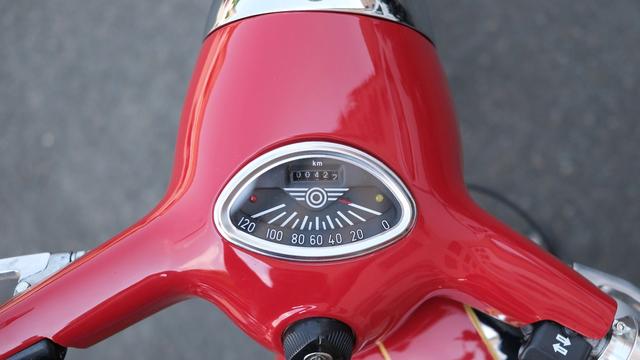
- The Jawa 350, known for its distinctive sound and red color, was a coveted status symbol despite cooling issues.
- A rare 1963 CZ racing machine, previously raced to national championships, was showcased by collectors.
The distinctive red color and unmistakable sound of the two-cylinder, two-stroke engine made the "big" Jawa 350 a dream object for many collectors and motorcycle enthusiasts. These enthusiasts gathered on Sunday at the Chemnitz Vehicle Museum for a Jawa and CZ meeting, celebrating the Eastern European two-wheelers.
Dieter Wenzel of the Chemnitz Jawa Friends club, who previously worked on these machines, recalled that the Jawa 350 was not necessarily rare but was considered a status symbol. However, the motorcycle was also known for its "temperamental" nature. "As you can see, the cylinders are relatively close together. There was a cooling problem, and the machines would sometimes seize up," he explained.
It was not necessarily rare, but at least a status symbol.
The name "Jawa" has ties to Chemnitz. It's a combination of the name Janeček and the manufacturer "Wanderer," which produced motorcycles in Chemnitz before World War I. Engineer František Janeček acquired Wanderer's motorcycle division, giving the bikes manufactured in Czechoslovakia the name "Jawa."
A particularly rare exhibit was a purebred CZ racing machine from 1963, brought by Maximilian Wienhold and Uwe Schneider from Rabenstein. Uwe Schneider, 73, has piloted the 250cc, 30-horsepower two-stroke multiple times to win the German Championship for historic motorcycles. Depending on the gearing, the machine could reach speeds of 180 kilometers per hour, even on tracks like the Nürburgring. Having retired from racing, Schneider has now passed the motorcycle to his younger collector colleague, Wienhold.
As you can see, the cylinders are relatively close together. There was a cooling problem, and the machines would sometimes seize up.
DistantNews Editorial
Originally published by Die Zeit in German. Translated, summarized, and contextualized by our editorial team with added local perspective. Read our editorial standards.
More Stories



From Our Blog

What Gets Lost (and Found) When News Is Translated

How the Same Story Looks Different in Different Countries

The Critical Role of Diaspora Media in Global News

What Travellers Should Know About Countries with Restricted Press

A Digital Nomad's Guide to Following Local News
