

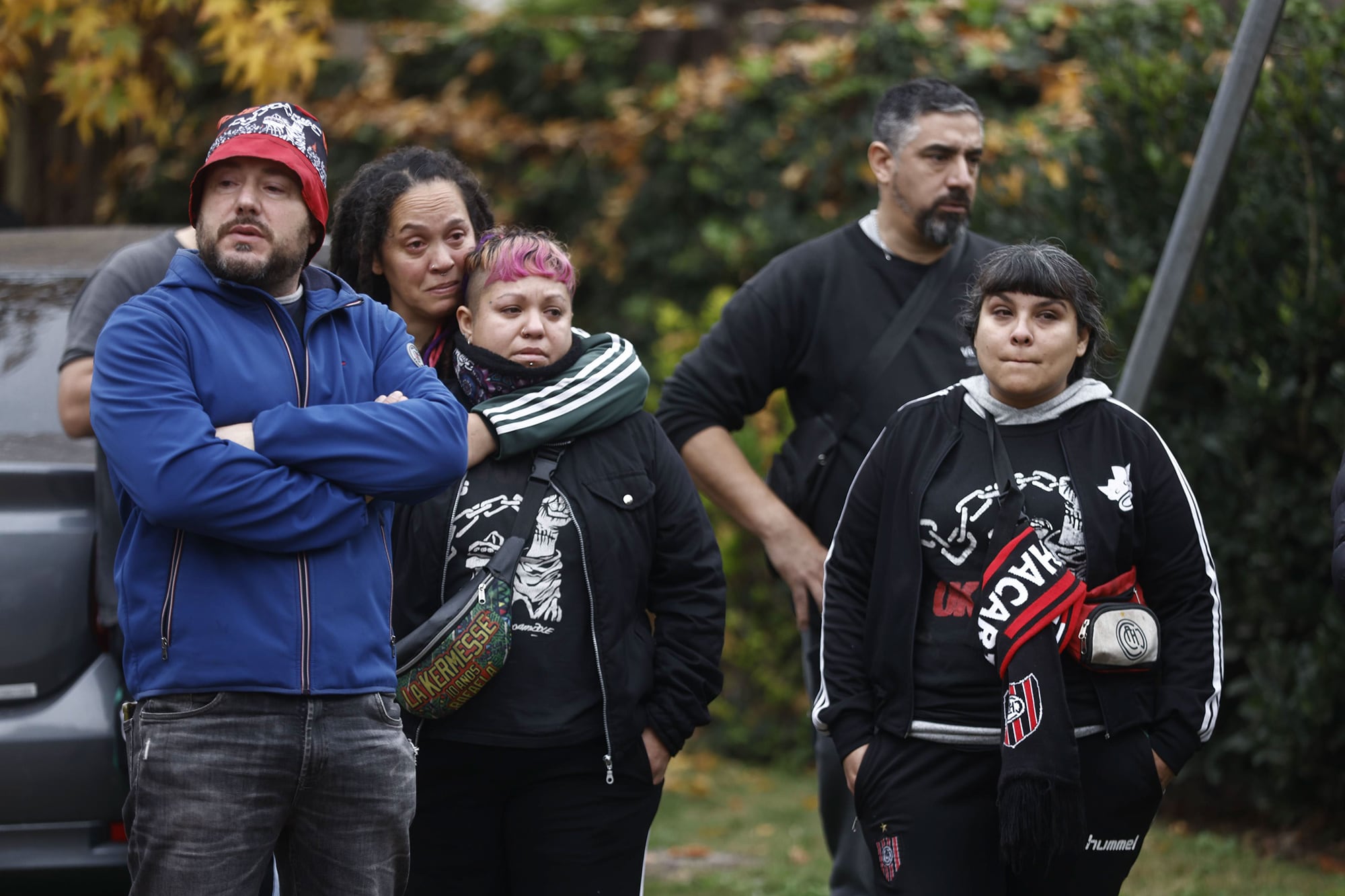

Jean-Paul Sartre's reflection on identity and the past: 'We are what we do with what was done to us.' - La Nación
Translated from Spanish, summarized and contextualized by DistantNews.
At a glance
In-depth
Sources not specified
Context piece
- Psychologist Gabriel Rolón discussed Jean-Paul Sartre's famous quote, "We are what we do with what was done to us."
- Rolón explained that while past experiences shape individuals, they do not absolutely define future potential.
- He emphasized that people can choose how to respond to past influences, rather than being condemned to repeat them.
Psychologist Gabriel Rolón explored the profound connection between past experiences and personal identity, drawing on Jean-Paul Sartre's existentialist philosophy. Rolón highlighted Sartre's renowned phrase, "We are what we do with what was done to us," to illustrate that individuals are not entirely predetermined by their circumstances.
Rolón explained that while formative experiences and relationships significantly influence personality, they do not dictate a person's ultimate destiny. He noted that individuals often become caught between idealizing the past and anticipating future happiness, neglecting to cultivate well-being in the present moment.
The psychologist elaborated on Sartre's idea, emphasizing that although people do not choose their initial contexts, they retain the freedom to decide how they react to the marks left by those experiences. Memories and past events "did things to us," but this does not condemn us to automatically repeat them. Instead, individuals possess the agency to choose their responses.
Rolón also touched upon the subjective nature of memory, describing it as an "editing" or "photoshopping" of the past. This process can lead to idealized recollections of figures like parents or childhood moments. However, he clarified that this idealization does not diminish the emotional value of these experiences, as they remain integral to a person's identity.
DistantNews Editorial
Originally published by La Nación in Spanish. Translated, summarized, and contextualized by our editorial team with added local perspective. Read our editorial standards.
More Stories


From Our Blog

What Gets Lost (and Found) When News Is Translated

The Critical Role of Diaspora Media in Global News

What Travellers Should Know About Countries with Restricted Press

A Digital Nomad's Guide to Following Local News

How the Same Story Looks Different in Different Countries
