


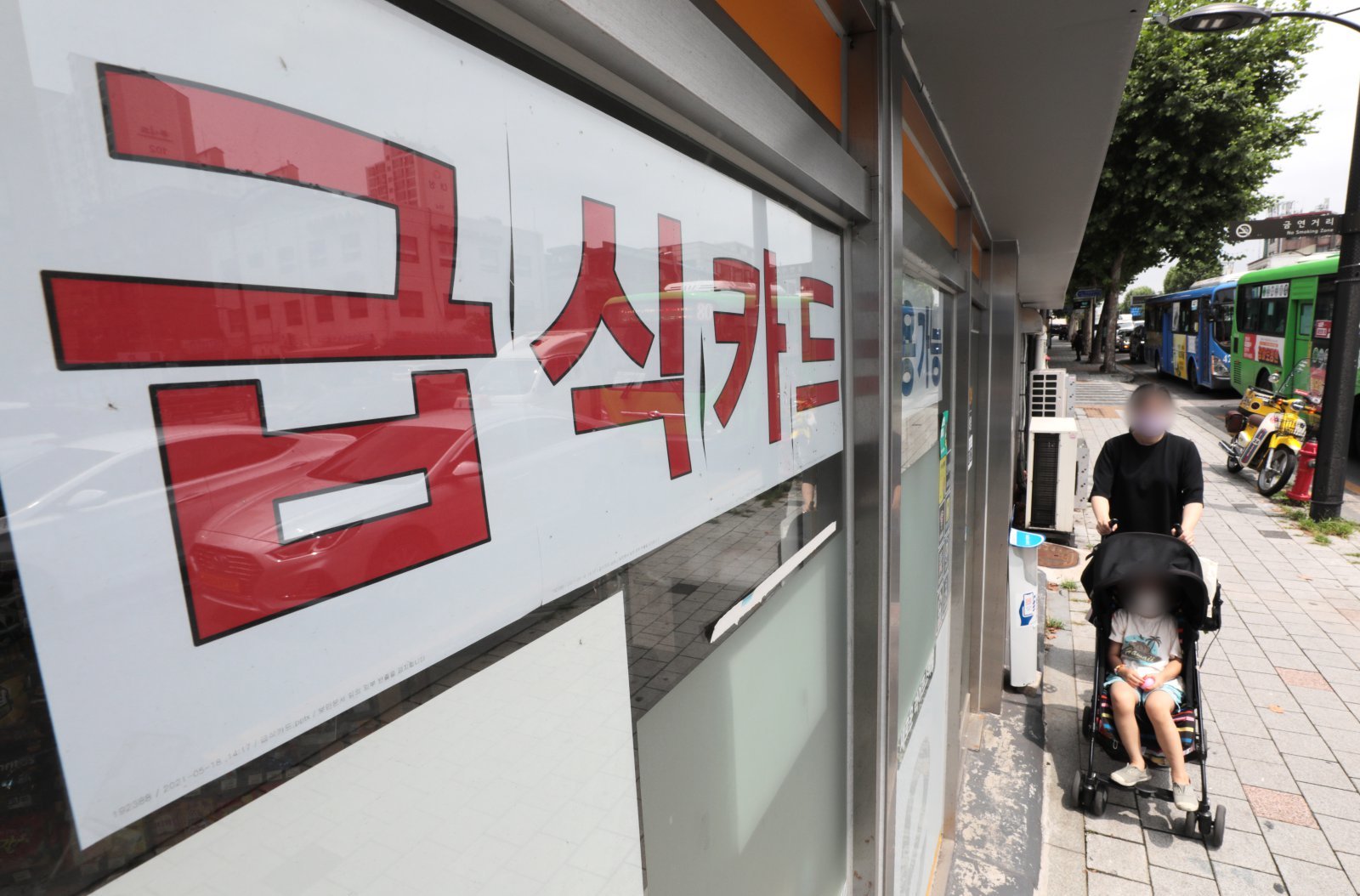
Jeju Administration Negligence Causes 36 Children to Lose Meal Support Funds
Translated from Korean, summarized and contextualized by DistantNews.
At a glance
News
Official statement
Outcome reported
- 36 children in Jeju, South Korea, missed out on over 35 million won in meal support due to administrative negligence.
- Local government offices failed to properly manage the children's meal card program, leading to unused funds.
- An audit revealed that offices did not adequately inform recipients or encourage card usage, resulting in the loss of benefits.
An audit in Jeju has revealed that 36 children at risk of hunger missed out on over 35 million won in meal support funds due to administrative oversights. The Jeju Provincial Audit Committee issued 'caution' notices to local government offices in Ido2-dong, Nohyeong-dong, and Donghong-dong for their failure to manage the children's meal card program effectively.
The audit report for 2026 detailed that the total of 35,142,000 won allocated for these children in 2024 and last year remained unused and expired. In a particularly concerning case, funds provided to nine children were entirely lost. The report highlighted specific instances, such as two siblings in Ido2-dong who missed out on 3,177,000 won because they did not receive usage guidance from the administration in 2024, leading them to believe their eligibility was suspended.
These failures stem from the inadequate management of eligible recipients by the respective offices. According to the 'Guidelines for the Execution of the Jeju Province Meal Support Project for Children at Risk of Hunger,' local sub-districts are required to monitor the children's meal card system monthly. They should contact children with unused cards or visit their families to encourage usage, alongside regularly checking their meal status and connecting at-risk children with necessary support.
However, the audit found that these offices only made efforts to encourage meal card usage in the fourth quarter of each year, primarily through text messages or phone calls. Crucially, they failed to conduct home visits or assess the children's nutritional status. In response, the Jeju Provincial Audit Committee has instructed the heads of these offices to analyze the usage status and remaining balances of the meal cards to develop measures that can address the risks of hunger and other crisis factors.
DistantNews Editorial
Originally published by Dong-A Ilbo in Korean. Translated, summarized, and contextualized by our editorial team with added local perspective. Read our editorial standards.
More Stories


From Our Blog

What Gets Lost (and Found) When News Is Translated

The Critical Role of Diaspora Media in Global News

What Travellers Should Know About Countries with Restricted Press

A Digital Nomad's Guide to Following Local News

How the Same Story Looks Different in Different Countries
