

Jeju's Female Divers Suffer Higher Rates of Nasal Ailments, Study Finds
Translated from Korean, summarized and contextualized by DistantNews.
At a glance
News
Sources not specified
Context piece
- A 20-year study of 8,868 Jeju female divers found they have a 19% higher incidence of nasal diseases compared to the general population.
- Divers are particularly vulnerable to acute sinusitis (37% higher) and allergic rhinitis (30% higher), with risks more pronounced in those under 50.
- The research, published in 'Rhinology,' highlights the link between repetitive diving and upper airway health issues, suggesting a need for preventative strategies.
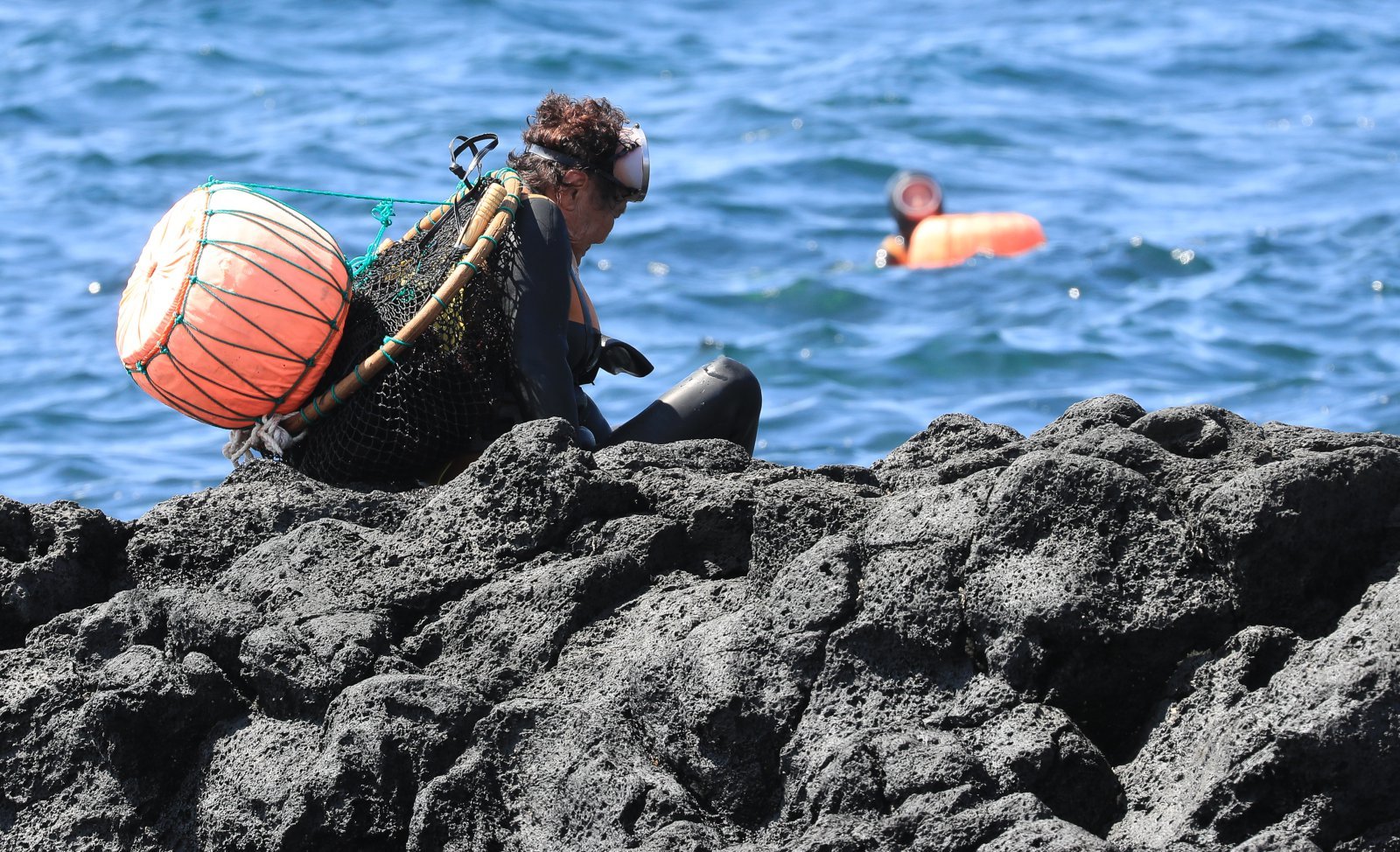
A groundbreaking study has revealed a significant link between the demanding profession of Jeju's female divers, known as 'haenyeo,' and chronic nasal ailments. Over two decades, researchers analyzed the health data of 8,868 haenyeo, uncovering a 19% higher rate of nasal disease diagnoses compared to a control group of 26,604 individuals.
The findings, published in the international journal 'Rhinology,' indicate that the repetitive diving required by the haenyeo profession makes them particularly susceptible to upper airway conditions. The study found a 37% higher incidence of acute sinusitis and a 30% increase in allergic rhinitis among the divers. These risks were even more pronounced in haenyeo under the age of 50, who faced a 55% greater risk of rhinitis.
This study is significant for objectively evaluating the link between the diving environment and upper airway diseases through actual clinical data, which was previously known only through experience.
Beyond nasal issues, the research also pointed to increased risks for throat conditions. Haenyeo showed a 31% higher rate of pharyngeal diseases and a 28% higher rate of laryngeal diseases compared to the general population. The constant exposure to cold seawater, prolonged breath-holding, and rapid pressure changes inherent in diving are believed to contribute to chronic irritation of the nasal and throat tissues.
Dr. Jang Seok-won, lead author from Jeju National University Hospital, emphasized the study's significance in objectively validating the long-suspected connection between diving environments and upper airway diseases using actual clinical data. Co-author Dr. Cho Ju-hee from Samsung Medical Center described the haenyeo cohort as a rare global resource for studying the effects of extreme work environments on the human body, calling for further research to pinpoint risk factors and develop preventive measures for occupational upper airway diseases.
The haenyeo cohort is a globally rare research resource for studying the impact of extreme work environments on the human body. Future research is needed to identify risk factors more precisely and develop preventive strategies for occupational upper airway diseases.
DistantNews Editorial
Originally published by Dong-A Ilbo in Korean. Translated, summarized, and contextualized by our editorial team with added local perspective. Read our editorial standards.
More Stories


From Our Blog

What Gets Lost (and Found) When News Is Translated

The Critical Role of Diaspora Media in Global News

What Travellers Should Know About Countries with Restricted Press

A Digital Nomad's Guide to Following Local News

How the Same Story Looks Different in Different Countries
