

Joaquín Balaguer's enduring influence marked on 120th anniversary of birth
Translated from Spanish and summarized by DistantNews. Read the original for the full story.
At a glance
News
Sources not specified
Context piece
- The exact date of Joaquín Balaguer's birth is uncertain due to early 20th-century record-keeping limitations in the Dominican Republic.
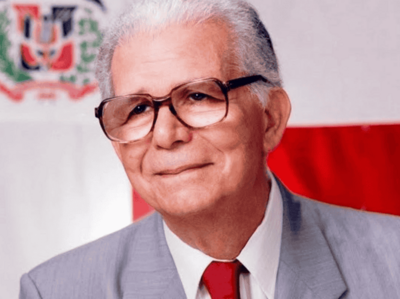
- Balaguer, born September 1, 1906, is considered a mandatory reference point for all presidents who succeeded him since 1996.
- His political influence is evident in the attempts by subsequent leaders, including Leonel Fernández, Danilo Medina, and Luis Abinader, to seek re-election, a practice Balaguer himself engaged in.
The precise date of Joaquín Balaguer's birth remains a historical ambiguity, a consequence of the nascent civil registration system in the Dominican Republic during the early 20th century. Record-keeping was limited, and a significant portion of the population was rural and illiterate, leading to late or unofficial registrations. However, his birth certificate officially states September 1, 1906.
Born in Navarrete, Balaguer was the fifth child and only son of Joaquín Jesús Balaguer Lespier and Carmen Celia Ricardo. Regardless of the exact date, his 120th birthday anniversary marks a moment to reflect on his profound and enduring impact on Dominican politics. He is widely regarded as an unavoidable point of reference for every president who has held office since his final term ended in 1996.
Balaguer's legacy is complex, viewed as admirable by some, negative by others, and historically controversial in many aspects. Yet, its significance is undeniable. A striking parallel among the presidents who followed him, Leonel Fernández, Danilo Medina, and Luis Abinader, is their shared ambition for re-election, a path often pursued despite prior criticisms of presidential re-election itself. Fernández, Medina, and Abinader successfully achieved re-election, while Hipólito Mejía failed in his attempt but sought constitutional changes to enable it.
Balaguer's influence extended to pivotal political moments. In the 1996 elections, he backed Leonel Fernández, then a relatively unknown lawyer, in the second round against José Francisco Peña Gómez. This support, solidified at a "Frente Patriótico" event, effectively closed the door on Peña Gómez's presidential aspirations and paved the way for Fernández's ascent, demonstrating Balaguer's continued sway over the political landscape even after his presidency.
About this summary
Originally published by Diario Libre in Spanish. Translated, summarized, and contextualized automatically by DistantNews, with a note on how the source frames the story. Not individually reviewed before publishing. How this works.
More Stories


From Our Blog

What Gets Lost (and Found) When News Is Translated

The Critical Role of Diaspora Media in Global News

What Travellers Should Know About Countries with Restricted Press

A Digital Nomad's Guide to Following Local News

How the Same Story Looks Different in Different Countries
