


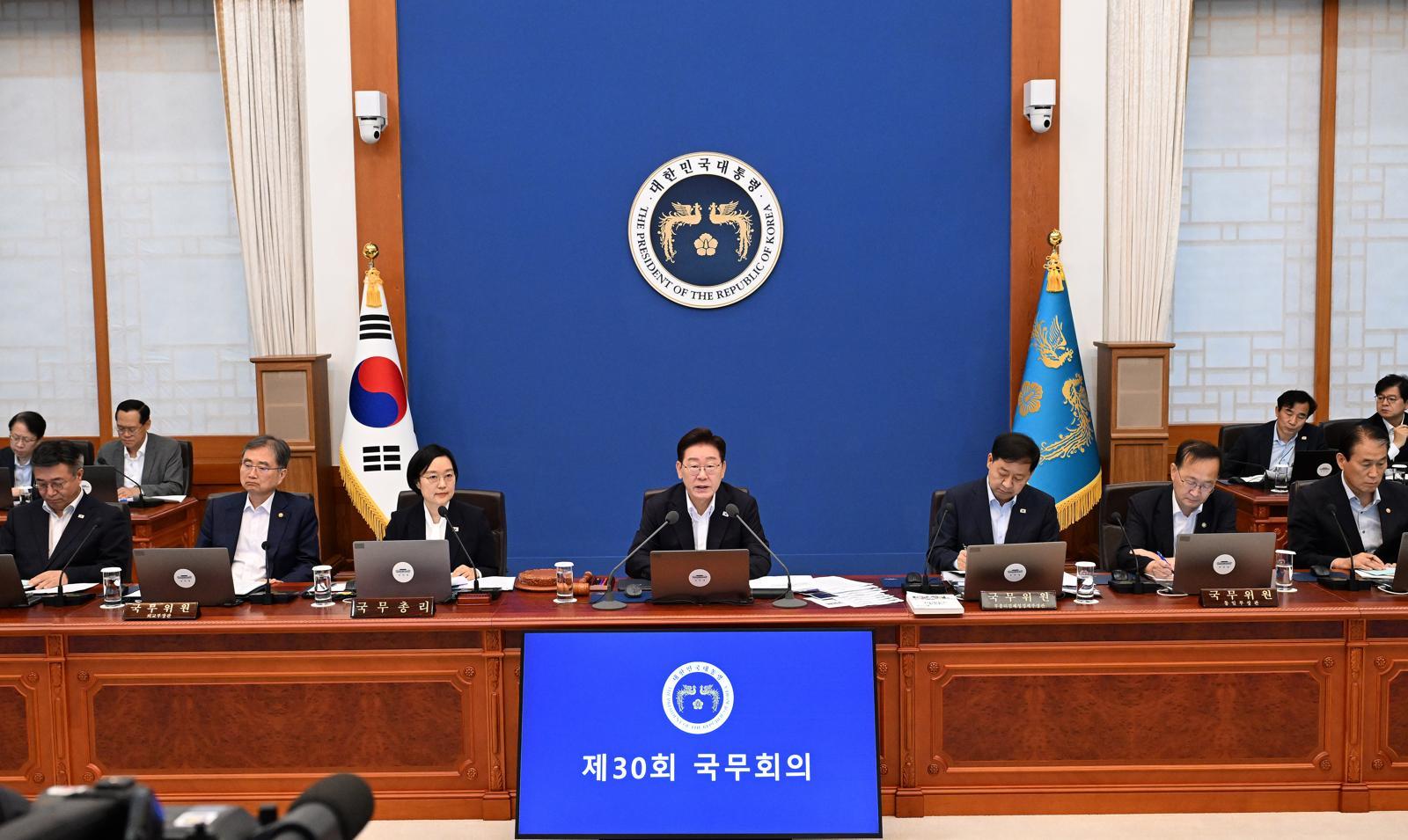
Jobless Growth Concerns Rise as South Korea Lifts Growth Forecast but Lowers Job Outlook
Translated from Korean, summarized and contextualized by DistantNews.
At a glance
News
Official statement
New plan
- The South Korean government forecasts 3% economic growth for the year, the highest since 2021.
- Despite the growth forecast, the number of new jobs expected is lowered by 10,000 to 150,000.
- Concerns are rising about "jobless growth" driven by a semiconductor boom, with plans to boost investment in advanced industries and youth employment.
South Korea's government anticipates the national economy will grow by 3% this year, a significant rebound marking the highest growth rate since 2021. This optimistic outlook is largely attributed to a booming semiconductor industry that is driving robust exports.
However, this projected economic expansion is shadowed by a concerning trend: "jobless growth." While the GDP growth forecast has been revised upward by 1 percentage point, the government has simultaneously lowered its projection for new jobs by 10,000, now expecting to create 150,000 positions. This disparity fuels worries that the economic upswing is not translating into sufficient employment opportunities.
To counter this, the government has outlined a strategy to achieve a potential growth rate of 3% by 2030, aiming to position South Korea among the top four global exporters and reach a per capita income of $50,000. A key initiative involves expanding the role of the Korea Investment Corporation (KIC), transforming it into a comprehensive sovereign wealth fund to support strategic investments in advanced industries.
Further measures include designating small modular reactors (SMRs) as a national strategic technology to offer tax benefits for their development and implementation, supporting the energy demands of major projects. The government is also introducing a domestic production tax credit, dubbed Korea's version of the Inflation Reduction Act, to bolster domestic supply chains and energy independence for strategically vital goods.
Addressing the sluggish job market, particularly for young people, the government plans to cultivate over 200,000 skilled professionals for advanced industries and enhance youth employment programs. The existing national employment support system will also be revamped to better assist young individuals seeking their first jobs.
DistantNews Editorial
Originally published by Dong-A Ilbo in Korean. Translated, summarized, and contextualized by our editorial team with added local perspective. Read our editorial standards.
More Stories


From Our Blog

What Gets Lost (and Found) When News Is Translated

The Critical Role of Diaspora Media in Global News

What Travellers Should Know About Countries with Restricted Press

A Digital Nomad's Guide to Following Local News

How the Same Story Looks Different in Different Countries
