

Joint Action Rescues Over 1.6 Million Kilograms of Fresh Food, Reducing Waste and Environmental Impact
Translated from Spanish, summarized and contextualized by DistantNews.
At a glance
News
Official statement
Outcome reported
- BASF and NODO renewed their partnership to rescue surplus fresh food, recovering over 1.6 million kilograms in 2025.
- The rescued food was distributed to social organizations and Food Banks, providing more than 5.5 million servings.
- This initiative significantly reduces food waste, preventing over 1,200 tons of CO2 emissions and conserving over 660 million liters of water.
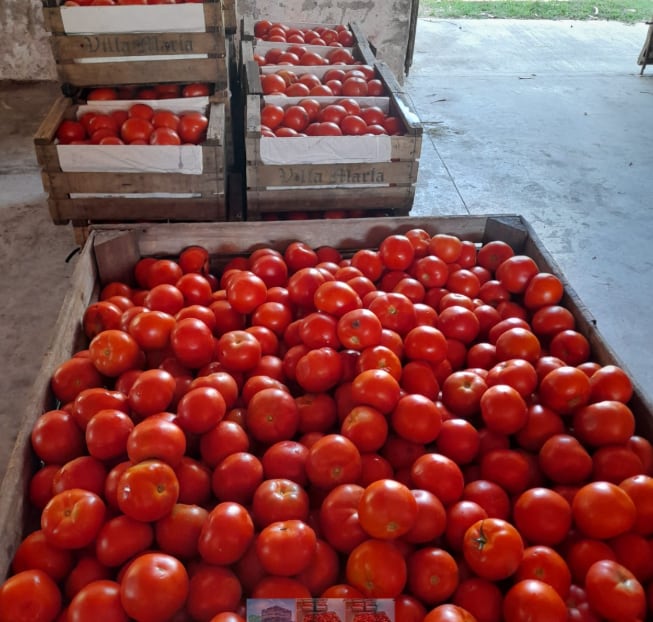
A collaborative effort between BASF and NODO – Rescate de Excedentes is making a substantial impact on reducing food waste and its environmental consequences. The partnership, renewed for another year, successfully recovered more than 1.6 million kilograms of fresh fruits and vegetables in 2025 that would have otherwise been discarded.
These recovered food items were channeled to social organizations and Food Banks across the country, ultimately providing over 5.5 million meals. Beyond the direct social benefit, the initiative yielded significant environmental gains. It prevented the emission of over 1,200 tons of carbon dioxide equivalent (CO2e) and conserved more than 660 million liters of water, a volume comparable to 264 Olympic swimming pools.
NODO's report highlights an increase in the diversity of rescued foods, expanding from 23 to 33 varieties. This broader range of fresh produce has enhanced the nutritional quality of the aid distributed. Since its inception in 2020, the initiative has rescued over 7.5 million kilograms of food, preventing more than 5,600 tons of CO2e emissions and saving over 3 billion liters of water. BASF acts as a strategic ally, providing resources for logistics, including fuel for the rescue and distribution operations.
Recovering food not only avoids waste but transforms resources into social value, promoting a more responsible production and consumption model.
DistantNews Editorial
Originally published by La Nación in Spanish. Translated, summarized, and contextualized by our editorial team with added local perspective. Read our editorial standards.
More Stories

From Our Blog

What Gets Lost (and Found) When News Is Translated

The Critical Role of Diaspora Media in Global News

What Travellers Should Know About Countries with Restricted Press

A Digital Nomad's Guide to Following Local News

How the Same Story Looks Different in Different Countries
