

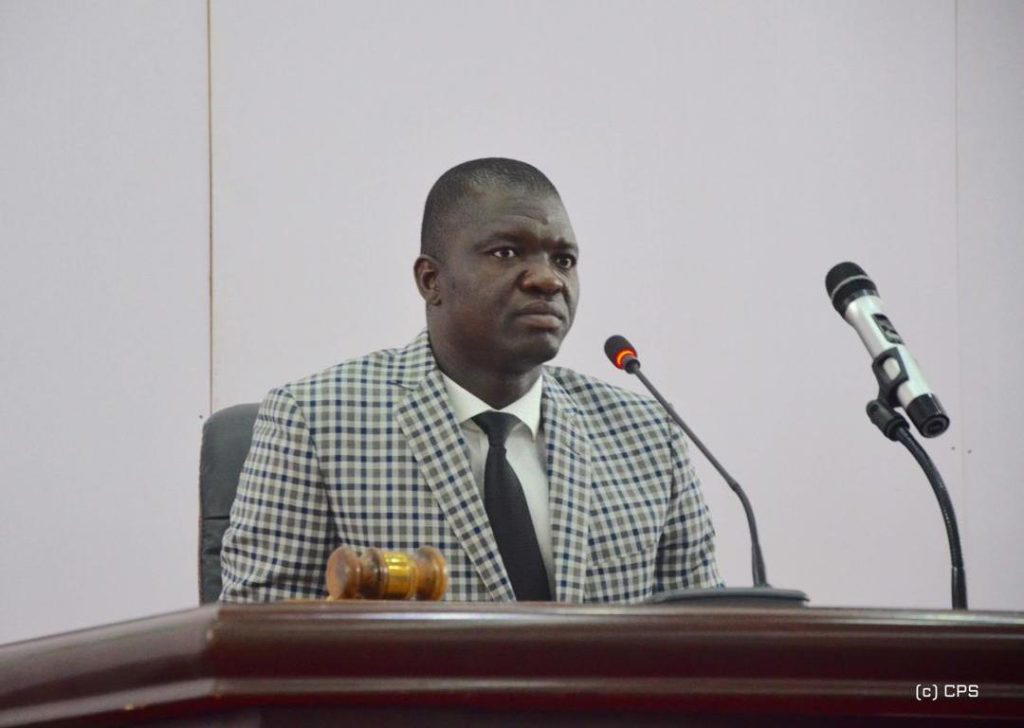

Jonathan's Silence on 2027 Candidacy Fuels Nigerian Political Uncertainty
Translated from English and summarized by DistantNews. Read the original for the full story.
At a glance
Analysis
Sources not specified
Context piece
- Former Nigerian President Goodluck Jonathan's silence on his potential 2027 presidential candidacy is causing political uncertainty and market jitters.
- While PDP factions have named him as a sole aspirant, Jonathan has not publicly declared his intentions, leading to speculation and legal challenges.
- The author argues that Jonathan's silence is a strategic move with significant consequences, contrasting his current ambiguity with his decisive 2015 concession speech.
Former Nigerian President Goodluck Jonathan's ambiguous stance on a potential 2027 presidential run has plunged the political landscape into uncertainty, with his silence speaking volumes in a system where ex-leaders hold significant sway.
But in Nigerian politics, nothing is something.
Since January 2026, party elders have courted Jonathan, with a PDP faction even naming him the sole aspirant for 2027 and campaign posters appearing. However, Jonathan himself has remained conspicuously silent, neither confirming nor denying his intentions. This lack of clarity has fueled speculation, with Wike's camp interpreting it as caution and Turaki's camp as consent. The political ambiguity is even affecting markets, while lawyers are petitioning judges to interpret the man's intentions.
The article posits that Jonathan's silence is not mere indecision but a calculated strategy. As the only Nigerian president to have been voted out, his actions carry immense weight. His 2015 phone call conceding defeat is remembered as a moment of statesmanship that averted bloodshed. In contrast, his current silence is seen as a strategic maneuver that allows factions to project their own agendas onto him and leaves opponents to brand him as a proxy for the ruling party. This ambiguity, the author argues, allows the courtroom, rather than the ballot box, to potentially decide his future first.
This isn’t just indecision. It is an impact.
Nigeria's political environment differs starkly from "normal countries" where ex-presidents retire quietly. Here, former leaders are potent political assets whose names can sway votes and whose endorsements can shift factions. Jonathan, having experienced this dynamic firsthand, is aware of his influence. The author contends that his silence in 2027 is as potent a form of speech as his 2015 concession call, but with detrimental consequences. It allows his candidacy to be sold without his ownership, invites political branding, and creates a vacuum where the courts might preempt public decision.
Because Jonathan isn’t a private citizen with opinions. He’s the only Nigerian president ever voted out. The man whose 2015 phone call saved lives. The man who watched Chibok happen and Occupy Nigeria erupt. In 2026, with bandits in classrooms and Section 137(3) in court, his silence isn’t neutral. It’s a strategy with casualties.
The piece concludes by questioning Nigeria's capacity to afford a former president whose silence generates confusion and potential political instability. It calls for clarity, contrasting Jonathan's current ambiguity with the decisiveness that defined his 2015 concession. The author argues that in a democracy as sensitive as Nigeria's, such silence is not golden but potentially damaging, urging Jonathan to issue a simple statement, "I am running," "I am not," or even "I support Tinubu", to end the prevailing uncertainty. The piece implies that his silence is being filled by others, including PDP factions, lawyers, and a public still recalling past crises like Chibok, questioning if he has learned from history.
Democracy doesn’t die in darkness. It dies in ambiguity. When voters don’t know if a man is running, when a party doesn’t know if its candidate exists, when a court has to guess intent before citizens do, that’s not neutrality. That’s negligence.
About this summary
Originally published by The Punch in English. Translated, summarized, and contextualized automatically by DistantNews, with a note on how the source frames the story. Not individually reviewed before publishing. How this works.
More Stories


From Our Blog

The Same Story, Different Countries: How Coverage Changes at the Border

News in Translation: What Gets Lost, and How We Keep the Framing

Diaspora Media: How Communities Abroad Follow Home

Traveling Where the Press Is Not Free: How to Read the News There

The Digital Nomad's Guide to Local News
