


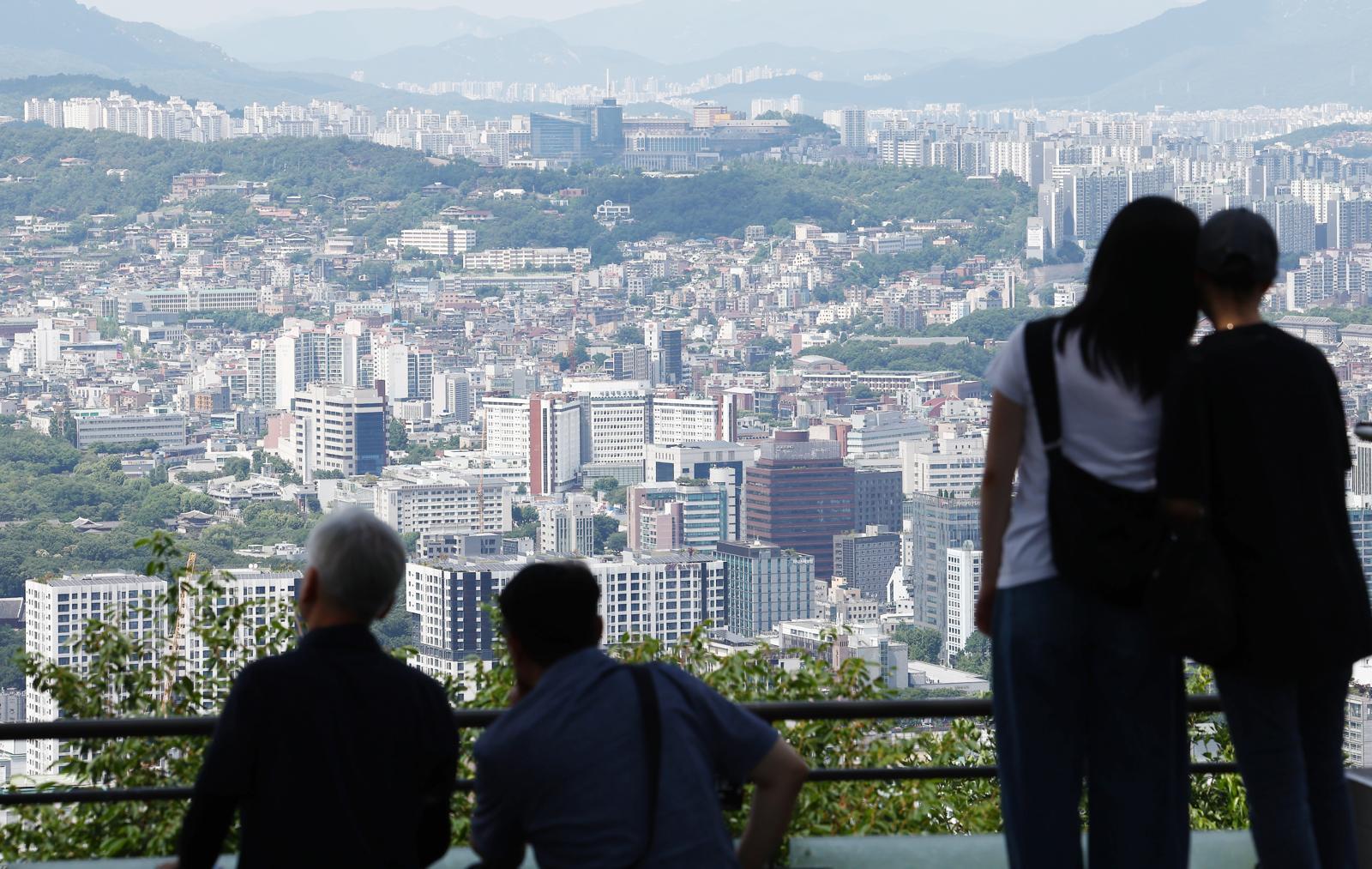
Jongbuse Threshold to Be Raised Above 1.2 Billion Won, Tax Burden to Increase for Ultra-High-Priced Homes
Translated from Korean, summarized and contextualized by DistantNews.
At a glance
News
Named sources
New plan
- South Korea is considering raising the base exemption for comprehensive real estate tax (jongbuse) above the current 1.2 billion won.
- The plan aims to prevent a surge in single-homeowners subject to the tax due to rising property values.
- The government also plans to adjust the fair market value ratio to increase the tax burden on ultra-high-priced homes.
The South Korean government is reviewing a plan to raise the base exemption for the comprehensive real estate tax (jongbuse) above the current 1.2 billion won in official property value. This move aims to prevent a significant increase in the number of single-homeowners who would become liable for the tax as property prices continue to rise.
The proposed reform seeks to maintain a similar tax burden for owners of mid-priced homes while increasing the tax obligations for those holding ultra-high-priced properties. One of the key measures under consideration involves adjusting the fair market value ratio, which is currently set at 60%. The government is exploring options to increase this ratio, particularly for more expensive homes, thereby raising the taxable base and consequently the tax amount.
Under the current system, the comprehensive real estate tax is calculated based on the combined official value of owned properties, minus a basic exemption (1.2 billion won for single-homeowners and 900 million won for multiple homeowners). By raising the basic exemption for single-homeowners to, for example, 1.3 or 1.4 billion won, the government anticipates that more homes would fall below the taxable threshold.
To ensure that the tax burden on ultra-high-priced homes increases significantly, the government is considering various approaches. While not expected to introduce separate tax rates based on specific price brackets like '3 billion won or more,' the adjustment of the fair market value ratio is seen as a primary tool. Increasing this ratio to 70% or 80% would directly inflate the taxable base, leading to higher comprehensive real estate tax payments.
The government plans to finalize these proposals for the comprehensive real estate tax reform and include them in the tax code revision bill, which is expected to be announced in early August, following further discussions at a real estate forum on July 27.
DistantNews Editorial
Originally published by Dong-A Ilbo in Korean. Translated, summarized, and contextualized by our editorial team with added local perspective. Read our editorial standards.
More Stories


From Our Blog

What Gets Lost (and Found) When News Is Translated

The Critical Role of Diaspora Media in Global News

What Travellers Should Know About Countries with Restricted Press

A Digital Nomad's Guide to Following Local News

How the Same Story Looks Different in Different Countries
