

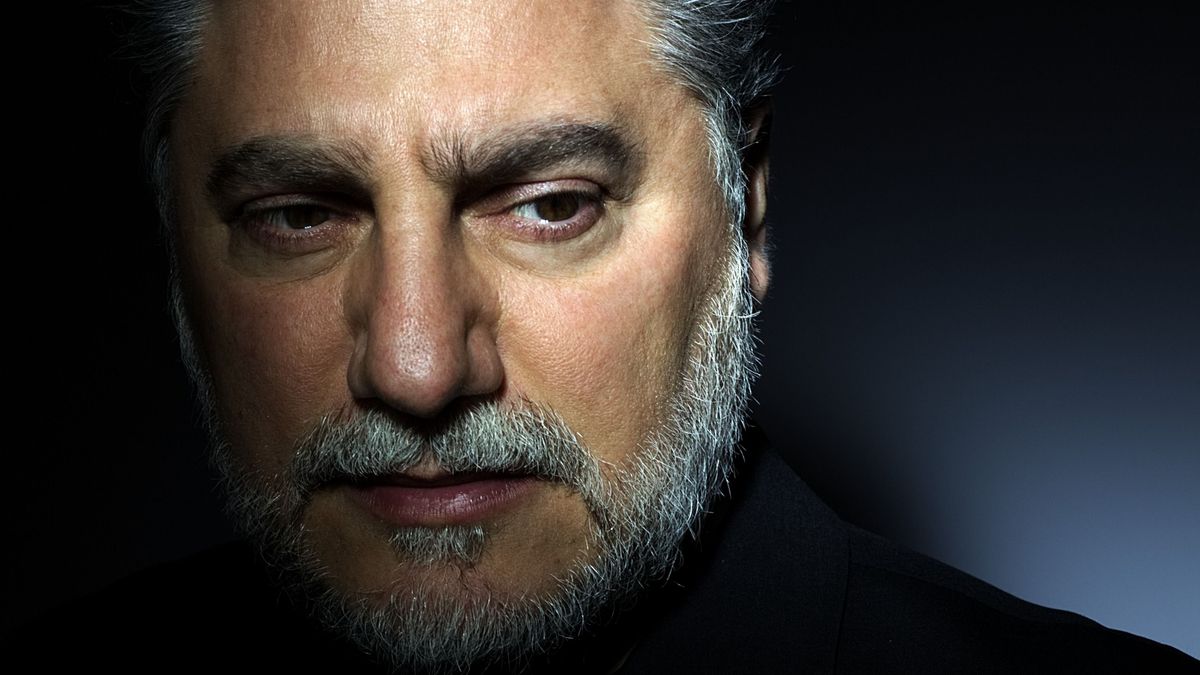
José Cura: This is a love story with Hungary
Translated from Hungarian, summarized and contextualized by DistantNews.
At a glance
Interview
Sources not specified
Context piece
- Renowned opera singer José Cura describes his relationship with Hungary as a "love story" that has grown stronger since 2000, appreciating the audience's enduring loyalty.
- Cura views silence as the second most important element in music after sound, giving form to musical expression and adding a spiritual dimension in sacred spaces.
- He believes classical art, like any industry product, survives as long as there is demand, and advocates for nuanced interpretations of classic operas rather than mere replication.
Acclaimed opera singer, conductor, and composer José Cura describes his long-standing connection with Hungary as a "love story." His relationship with the Hungarian audience, which has consistently filled concert halls since 2000, has deepened over the years. Cura values this enduring loyalty, likening it to a marital bond where both parties age and change together while remaining faithful.
Silence is the second most important element of music after sound; silence gives form to sound. However, sound and silence gain an additional dimension in a sacred place, although this dimension is more spiritual than acoustic. It's a kind of psychoacoustic tuning.
Cura, who is also a director and composer, reflects on the multifaceted nature of artistic creation. He sees each person as a unique universe, navigating life through choices and innate talent. He suggests that while one can choose a simpler path focusing on a single discipline, dedicating oneself to multiple talents, as he has, offers a different kind of fulfillment, the success of which is ultimately judged by time.
My love story with Hungary dates back to 2000, and it has only grown stronger over the years. The audience's affection is also measured by the fact that over time, one becomes a life partner. You see each other grow old, change, yet remain faithful to each other. That's a magical feeling, and very rare too.
Discussing the state of opera, Cura likens classical art to a valuable heritage and an industry product. He posits that its survival depends on the willingness of audiences to pay for it, warning that like any product losing consumer favor, it could fade from the market. He draws a distinction between art and show business, suggesting a pragmatic view of opera's commercial viability.
Every person is a separate universe, and how one moves among the planets depends on life choices and given talent. You can decide not to complicate your life and do just one thing, or to commit yourself to everything you are talented in. As always, time and perspective will show whether you made the right decision or not.
Regarding the staging of classic operas, Cura argues against mere replication of original productions, calling it "stupid" and suggesting that buying a CD would suffice. He believes that modern interpretations can bring works closer to audiences, but cautions that "modern" should not be confused with "silly." He emphasizes finding a balance where new perspectives enhance, rather than endanger, the original artistic intent.
Classical art is one of humanity's most valuable legacies, but it is also the product of a certain industry. As long as there are those willing to pay for it, it will survive. Otherwise, like any product that loses the favor of consumers, it will slowly disappear from the market, and if we are lucky, it will remain available to the few who still appreciate it, like a delicacy corner in a shop.
DistantNews Editorial
Originally published by Magyar Nemzet in Hungarian. Translated, summarized, and contextualized by our editorial team with added local perspective. Read our editorial standards.
More Stories


From Our Blog

Countries Without a Free Press: What You Need to Know

What Press Freedom Means for the News You Read

What Gets Lost (and Found) When News Is Translated

The Critical Role of Diaspora Media in Global News

What Travellers Should Know About Countries with Restricted Press
