


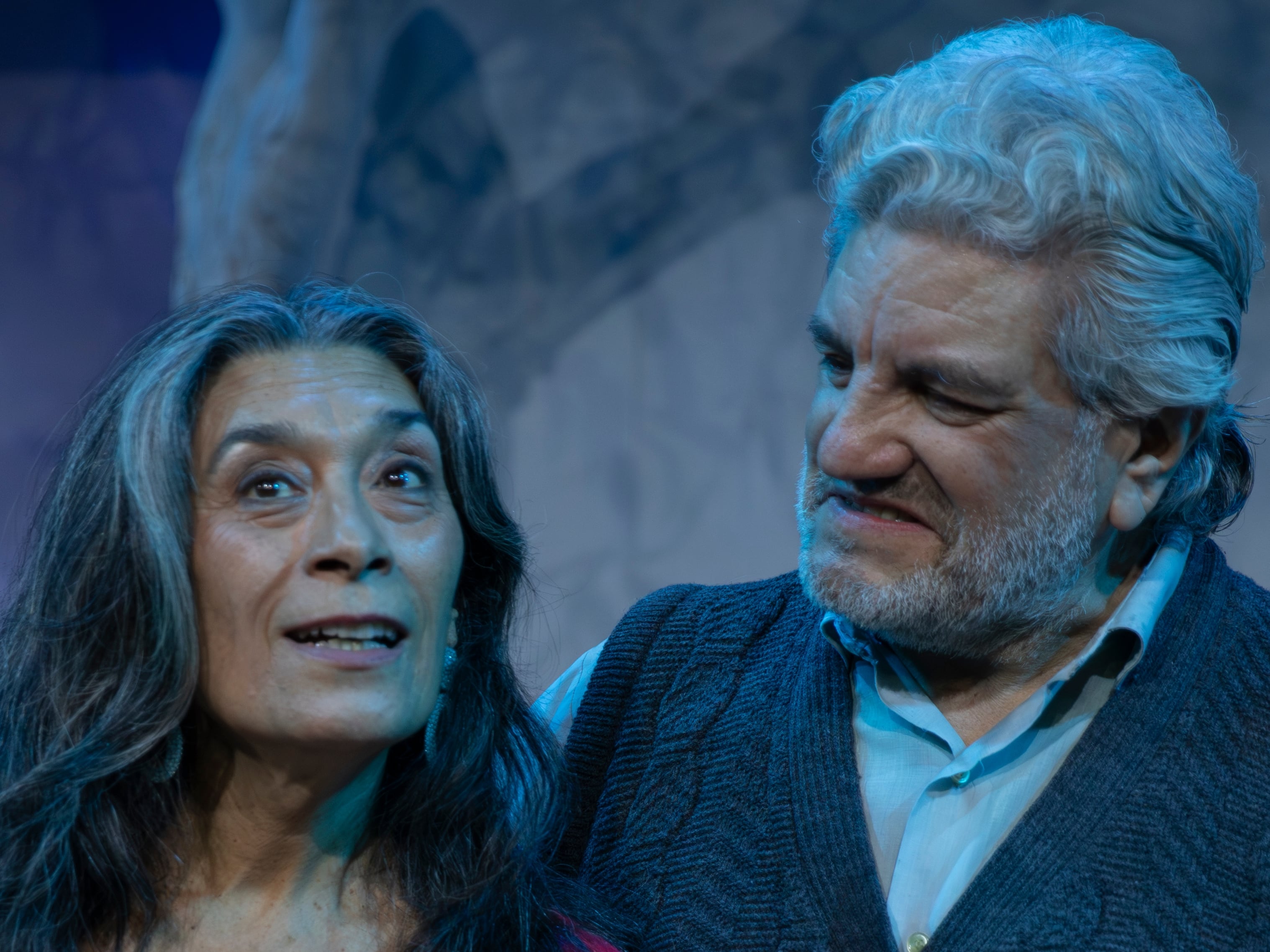
José Sacristán, 88, retires from cinema: 'I don't want to get up early anymore'
Translated from Spanish, summarized and contextualized by DistantNews.
At a glance
In-depth
Sources not specified
Outcome reported
- Spanish actor José Sacristán, 88, announced his retirement from cinema after a 70-year career.
- He stated he is retiring from film due to a lack of time and a desire to avoid early mornings.
- Sacristán will continue to perform in theater, citing his continued vitality and passion for stage acting.
Veteran Spanish actor José Sacristán, an illustrious figure in Spanish-language cinema for half a century, has announced his retirement from filmmaking at the age of 88. The decision, he explained, stems not from a lack of vitality or health issues, but rather from a desire to reclaim his time and avoid the demanding schedule of film production.
I need time that I no longer have. And I don't want to get up early anymore.
"I need time that I no longer have. And I don't want to get up early anymore," Sacristán stated, justifying his departure from the cinematic facet of his career. Despite this, he confirmed that he will continue to grace the stage, emphasizing his ongoing passion and capability for theater acting. This distinction highlights his enduring commitment to performance, albeit with a shift in focus.
Sacristán's illustrious career began in 1937, and he has been a prominent presence on screen for seven decades. His decision reflects a thoughtful approach to aging and career longevity, prioritizing personal well-being and continued artistic engagement over the relentless pace of film sets. He plans to spend more time in his hometown of Chinchón, a picturesque village near Madrid known for its unique architecture and cultural heritage.
If they give me a script and it says we have to shoot outdoors at night, I'm not going on. By dinner time I like to be home. I have no intention of reaching that pathetic state of wanting to die with my boots on. I'll keep going as long as I'm having fun, and cinema and television are already amusing me very little.
The actor's reflections on his childhood during the Spanish Civil War, marked by poverty and his father's imprisonment for his political beliefs, underscore a lifelong appreciation for freedom. This profound experience, he suggests, has shaped his perspective and his dedication to his craft. Sacristán's retirement from cinema marks the end of an era, but his continued presence in theater promises to keep his unique talent accessible to audiences.
We were poor, but not miserable. My grandmother and mother worked miracles so that hunger wouldn't take away our desire to play in the street. I remember visits to the Ocaña prison to see my father through booths with double bars. As a child, I didn't know about ideologies, but I perfectly understood the pain of seeing my father locked up for his ideas. That gave me a measure of freedom that I have never forgotten.
DistantNews Editorial
Originally published by La Nación in Spanish. Translated, summarized, and contextualized by our editorial team with added local perspective. Read our editorial standards.
More Stories

From Our Blog

What Gets Lost (and Found) When News Is Translated

The Critical Role of Diaspora Media in Global News

What Travellers Should Know About Countries with Restricted Press

A Digital Nomad's Guide to Following Local News

How the Same Story Looks Different in Different Countries
