

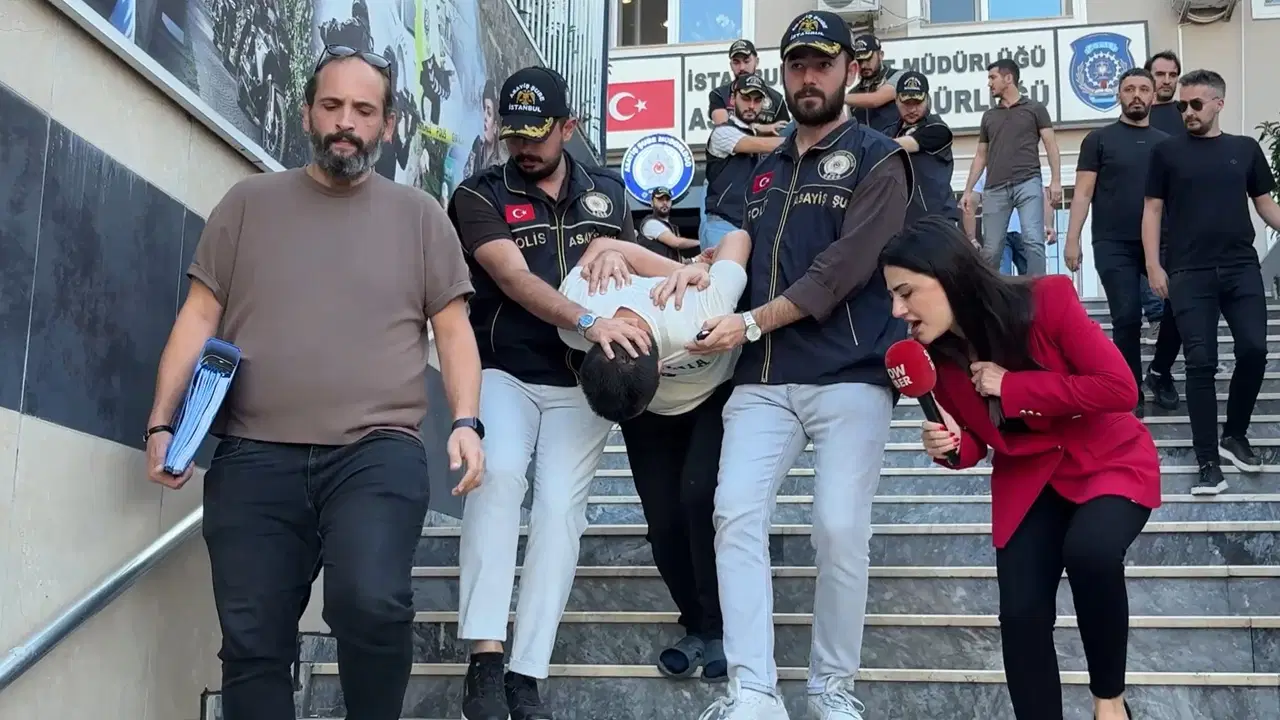

Journalism on Trial: Alican Uludağ Faces Court for First Time
Translated from Turkish and summarized by DistantNews. Read the original for the full story.
At a glance
News
Named sources
Context piece
- Journalist Alican Uludağ faces trial on charges including insulting the president and spreading misleading information.
- Uludağ, currently detained, will participate in the hearing via video link due to his imprisonment.
- He faces up to 19 years and 6 months in prison, with supporters gathering at the courthouse.
The trial of journalist Alican Uludağ marks a somber day for press freedom in Turkey, as he appears in court for the first time after 90 days of pre-trial detention. Facing charges that could lead to nearly two decades behind bars – including insulting the president, spreading misleading information, and contempt of court – Uludağ's case highlights the increasingly precarious environment for journalists in the country. His inability to attend the hearing in person, instead participating via a video link from Silivri Prison, underscores the restrictive conditions under which he and many others operate.
The trial of journalist Alican Uludağ begins on the 90th day of his detention.
Supporters, including fellow journalists and press organizations, have gathered at the Ankara courthouse to show solidarity, a common scene in Turkey where the legal system often targets critical voices. The legal back-and-forth, with the case initially accepted in Istanbul but then transferred to Ankara due to jurisdiction, reflects the complex and often politically charged nature of such proceedings. The rejection of his lawyers' request for release further emphasizes the challenges faced by those challenging the status quo.
Uludağ, who is in Silivri Prison, will not be able to attend the hearing at the Ankara 57th High Criminal Court in person.
From a Turkish perspective, this case is not just about an individual journalist but about the broader struggle for a free press. While international outlets may report on the charges and potential sentence, they often miss the deeply ingrained fear and self-censorship that pervades the Turkish media landscape. The sheer volume of charges and the lengthy sentence sought against Uludağ are seen by many here as an attempt to silence dissent and make an example of him, a tactic that unfortunately resonates with past patterns of judicial action against the press in Turkey.
Uludağ will make his defense via the Voice and Image Information System (SEGBİS) by court decision.
About this summary
Originally published by Cumhuriyet in Turkish. Translated, summarized, and contextualized automatically by DistantNews, with a note on how the source frames the story. Not individually reviewed before publishing. How this works.
More Stories


From Our Blog

News in Translation: What Gets Lost, and How We Keep the Framing

Diaspora Media: How Communities Abroad Follow Home

Traveling Where the Press Is Not Free: How to Read the News There

The Digital Nomad's Guide to Local News

The Same Story, Different Countries: How Coverage Changes at the Border
