


Judicial adjudication in Nigeria's electoral matters is not new, author argues
Translated from English and summarized by DistantNews. Read the original for the full story.
At a glance
Analysis
Named sources
Context piece
- A former Nigerian head of state criticized court rulings on electoral matters as "Cathedral judgements."
- The author contends that judicial adjudication in Nigerian elections is a historical practice, dating back to the Second Republic in 1979.
- The article refutes the notion that court involvement in election disputes is a new trend in Nigeria's political history.
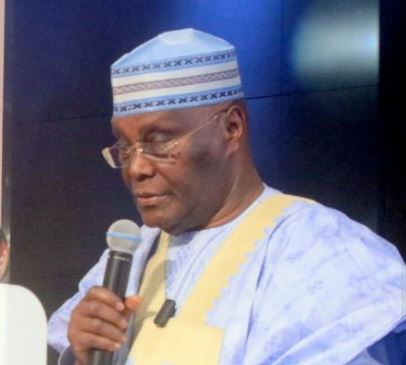
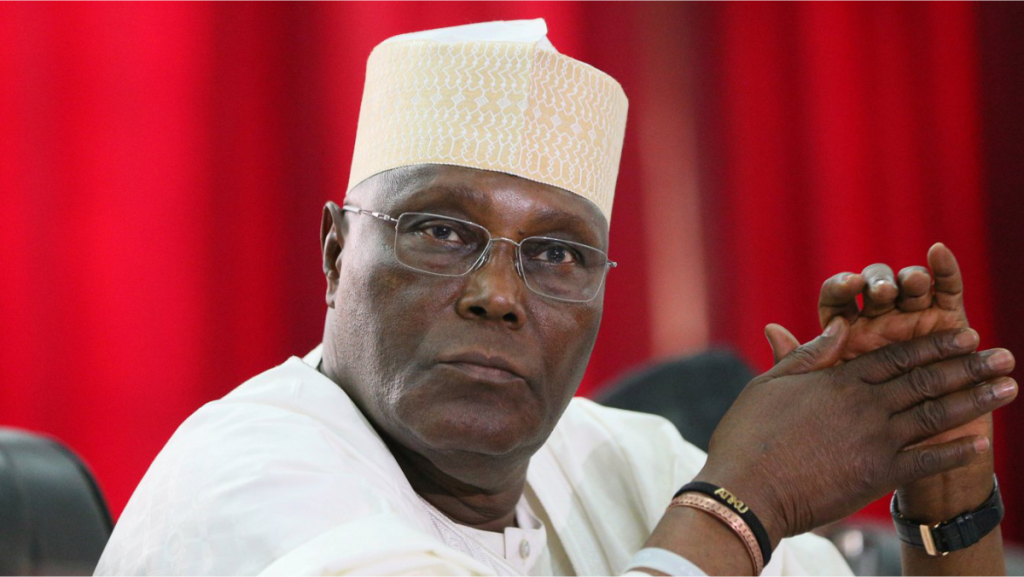
Recent public statements by a former Nigerian head of state, who served as president twice, have characterized court decisions in electoral matters as "Cathedral judgements." This sentiment, echoed by others, suggests a perception that the judiciary's role in resolving election disputes is a recent and perhaps unwelcome development in Nigeria's political landscape.
Cathedral judgements
However, Fola Aiyegbusi, writing for Premium Times, argues that this view is historically inaccurate. The author asserts that judicial intervention in electoral processes is not a new phenomenon but rather a long-standing feature of Nigeria's political history. This perspective challenges the notion that recent court verdicts represent a departure from established norms.
To support this claim, the article points to the Second Republic, which began in 1979. The presidential election of that era, brokered by the same former president in his capacity as military head of state, ultimately concluded in the courts. The Supreme Court affirmed the victory of Alhaji Shehu Shagari, highlighting an early instance of significant judicial involvement in a presidential election.
For millennials who may not be enthusiastic about Nigeria’s political history, it is easy to conclude erroneously that this trend is a new introduction to our politics in the last two decades.
The author recalls the electoral context of 1979, detailing the main contenders and the legal challenges that arose. Chief Obafemi Awolowo took his case to court, questioning the vote counts and the adherence to constitutional clauses regarding electoral colleges. This historical precedent, the article argues, demonstrates that the courts have consistently played a role in adjudicating electoral disputes, even in the early stages of Nigeria's democratic transitions.
From available empirical realities, that is certainly not the situation.
About this summary
Originally published by Premium Times in English. Translated, summarized, and contextualized automatically by DistantNews, with a note on how the source frames the story. Not individually reviewed before publishing. How this works.
More Stories

From Our Blog

How the Same Story Looks Different in Different Countries

What Gets Lost (and Found) When News Is Translated

The Critical Role of Diaspora Media in Global News

What Travellers Should Know About Countries with Restricted Press

A Digital Nomad's Guide to Following Local News
