


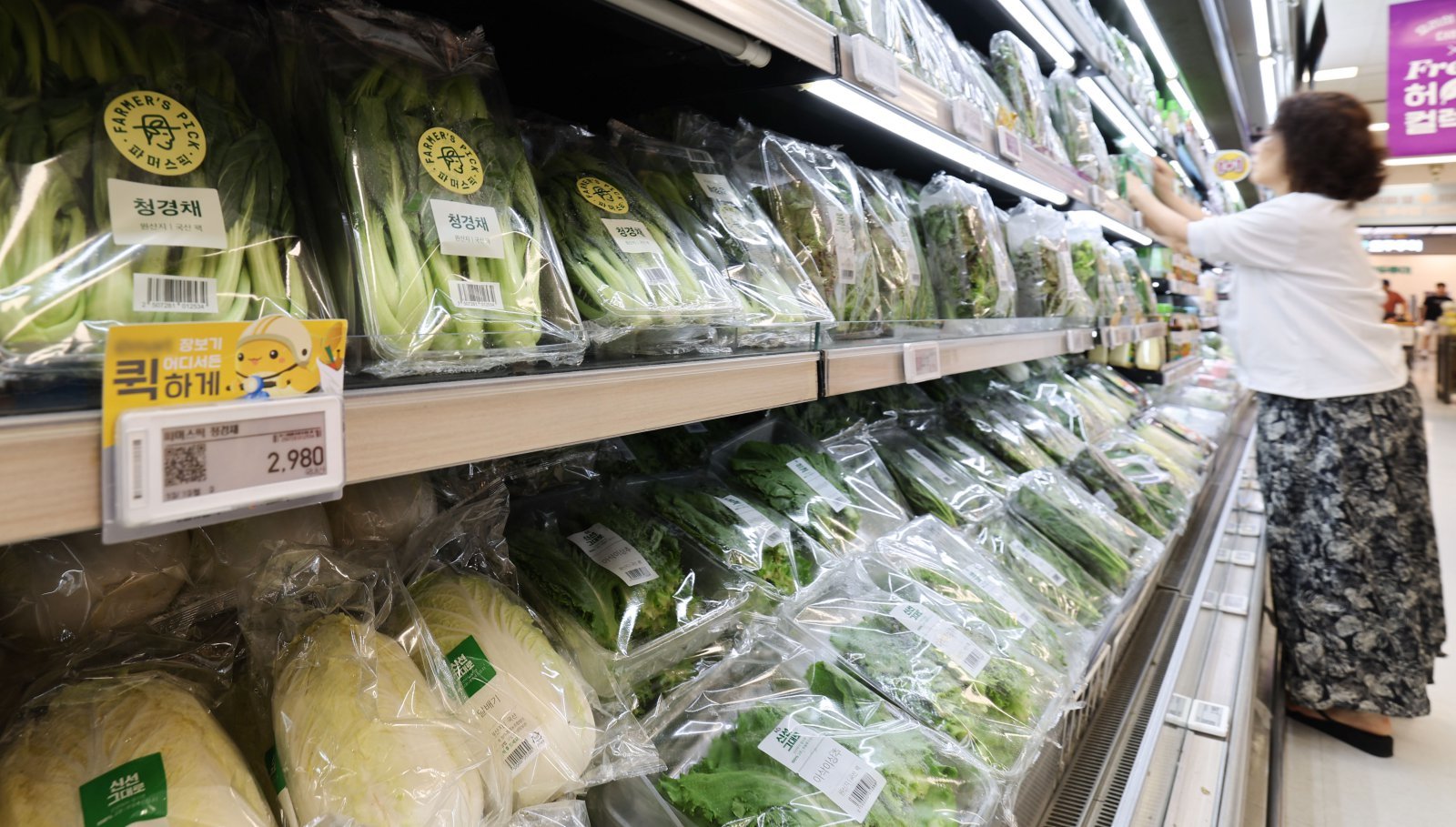
July consumer price inflation in South Korea drops to 2% range
Translated from Korean, summarized and contextualized by DistantNews.
At a glance
News
Official statement
New plan
- South Korea's consumer price inflation fell to 2.8% in July, down from 3.2% in June, marking the first time in three months it has dropped below 3%.
- The slowdown was primarily driven by easing price increases for petroleum and agricultural products.
- Government measures, such as the petroleum price cap, are estimated to have lowered the inflation rate by 0.3 percentage points.
South Korea's consumer price inflation eased to 2.8% in July, falling below the 3% mark for the first time in three months, according to data released by Statistics Korea on August 4. This marks a significant slowdown from the 3.1% inflation recorded in May and 3.2% in June.
The deceleration in price growth is largely attributed to a moderation in the rising costs of petroleum and agricultural products. While petroleum prices still increased by 15.5% year-on-year in July, this was a notable decrease from the 24.7% rise seen in June. Similarly, the year-on-year increase for diesel fuel dropped from 33.7% to 21.5%, and for gasoline from 23.1% to 12.6% compared to the previous month.
Government intervention, particularly the implementation of a cap on petroleum prices, played a crucial role in curbing inflation. The Ministry of Economy and Finance estimates that this measure alone reduced the July inflation rate by 0.3 percentage points. Without the price cap, the ministry suggests, consumer prices would have continued to rise above 3%.
Despite the overall slowdown, prices for agricultural, livestock, and fishery products saw a 0.9% increase in July, a considerable drop from the 3.2% rise recorded in June. This indicates a broader trend of easing price pressures across various sectors of the economy.
DistantNews Editorial
Originally published by Dong-A Ilbo in Korean. Translated, summarized, and contextualized by our editorial team with added local perspective. Read our editorial standards.
More Stories


From Our Blog

What Gets Lost (and Found) When News Is Translated

The Critical Role of Diaspora Media in Global News

What Travellers Should Know About Countries with Restricted Press

A Digital Nomad's Guide to Following Local News

How the Same Story Looks Different in Different Countries
