


July US Container Imports Hit Fourth-highest on Record, Descartes Says
Summarized and contextualized by DistantNews.
At a glance
News
Named sources
Context piece
- U.S. container imports in July reached their fourth-highest level on record, driven by shippers importing goods ahead of potential U.S. tariff changes.
- Total containerized goods imports were down 4.3% from July 2025 but remained significantly above pre-pandemic levels.
- Chinese-origin imports saw a notable increase, reaching the highest monthly volume in a year, despite existing U.S. tariffs on Chinese products.
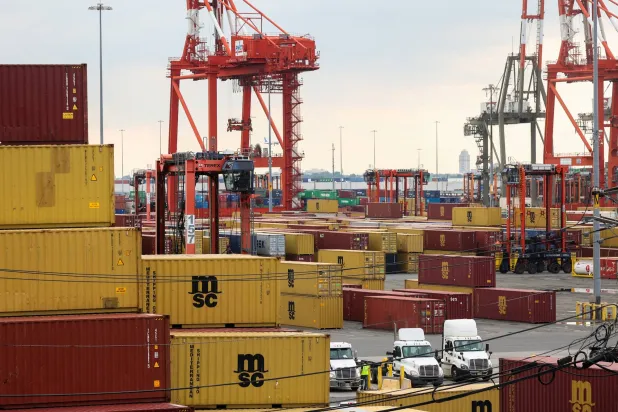
U.S. imports of containerized goods in July achieved the fourth-highest volume for that month on record, as shippers expedited deliveries in anticipation of potential changes to U.S. tariff policies, according to supply chain technology provider Descartes Systems Group.
Seaports handled 2.5 million 20-foot equivalent units (TEUs) in July. This figure represents a 4.3% decrease compared to the near-record performance in July of the previous year. However, Descartes reported that imports for the first seven months of 2026 were down only 0.9% year-over-year, remaining substantially higher than pre-COVID-19 pandemic levels.
A significant development noted was the rise in imports originating from China. In July, these imports reached 873,129 TEUs, marking the highest monthly volume in a year. This occurred even as the U.S. has imposed tariffs on Chinese goods. China remains the largest country of origin for goods imported into the U.S. via container.
Descartes highlighted ongoing volatility in the broader trade environment. Factors such as elevated risks in the Strait of Hormuz, evolving U.S. tariff measures, stricter draft restrictions at the Panama Canal, and continued disruptions in the Red Sea are collectively influencing freight costs, routing decisions, and overall sourcing strategies for businesses. Major retailers like Walmart, Amazon.com, and Home Depot are significant contributors, accounting for approximately half of all U.S. container imports, with their traditional peak season for holiday goods arriving earlier and extending over a longer period due to persistent supply chain challenges.
The broader trade environment remains unsettled. Elevated Strait of Hormuz risk, changing US tariff measures, tighter Panama Canal draft restrictions, and continued Red Sea disruption are influencing freight costs, routing decisions, and sourcing strategies.
DistantNews Editorial
Originally published by Asharq Al-Awsat. Summarized and contextualized by our editorial team with added local perspective. Read our editorial standards.
More Stories



From Our Blog

What Gets Lost (and Found) When News Is Translated

The Critical Role of Diaspora Media in Global News

What Travellers Should Know About Countries with Restricted Press

A Digital Nomad's Guide to Following Local News

How the Same Story Looks Different in Different Countries
