


Justice Minister Chung doubts effectiveness of supplementary investigation requests
Translated from Korean, summarized and contextualized by DistantNews.
At a glance
News
Sources not specified
Context piece
- South Korean Justice Minister Chung Sung-ho expressed concerns that strengthening the supplementary investigation request system alone may not fully address the side effects of abolishing the prosecutor's supplementary investigation rights.
- He highlighted that the current supplementary investigation request system is not functioning effectively, leading to delays and potential harm to those without money or power.
- Chung also urged for measures to prevent a decline in investigative capacity during the establishment of the new Serious Crimes Investigation Agency, emphasizing the need for collaboration and practical solutions.
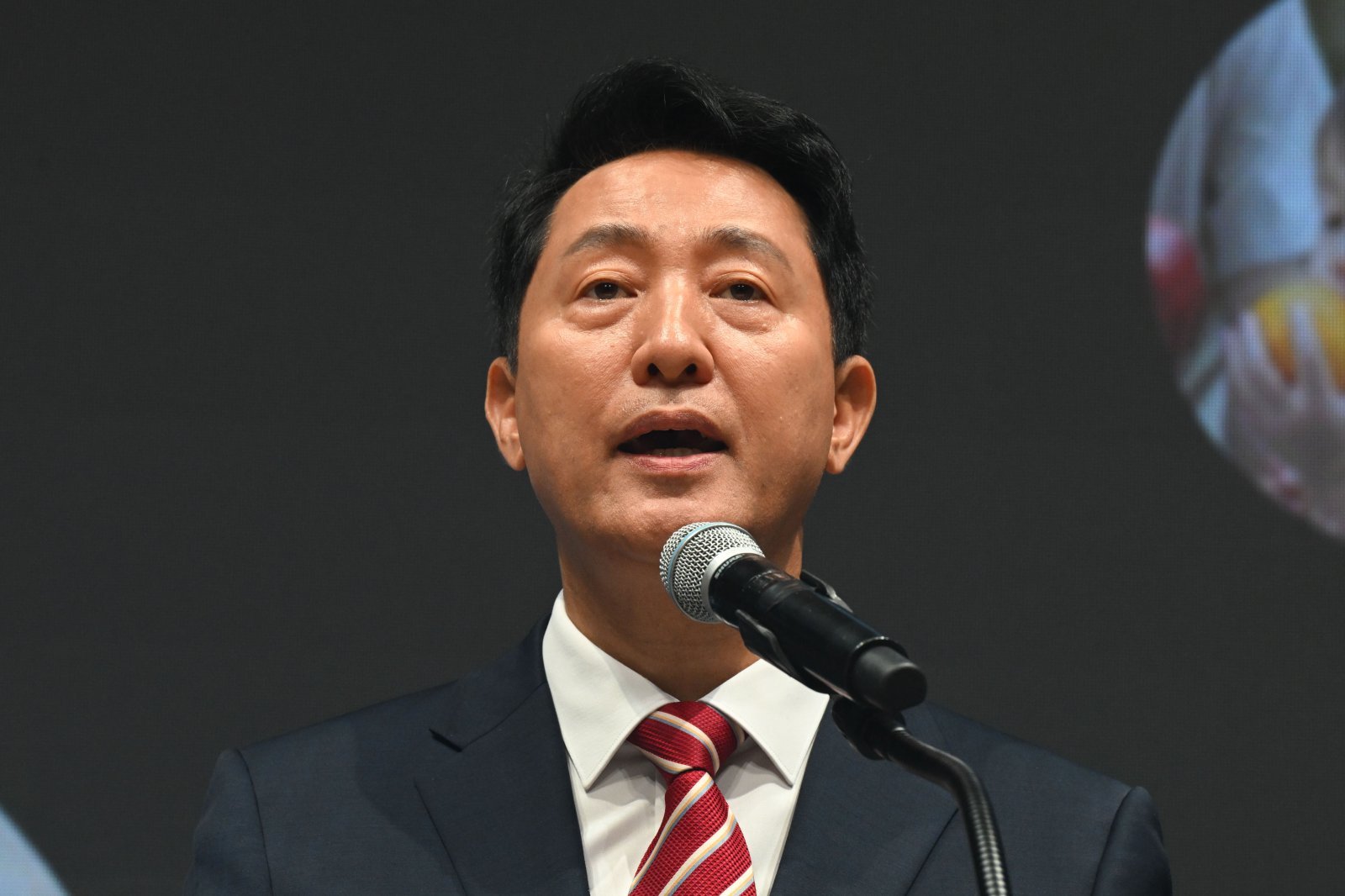
South Korean Justice Minister Chung Sung-ho voiced strong reservations about the effectiveness of the current supplementary investigation request system, suggesting it falls short of its intended function. Speaking at a policy forum hosted by the Hankyoreh newspaper, Chung questioned whether the system adequately addresses the complexities of criminal investigations, particularly after the abolition of prosecutors' direct supplementary investigation rights.
Is the supplementary investigation request currently functioning as it should? I do not think so.
Chung pointed to statistics indicating that a significant portion of cases transferred from the police to the prosecution require further investigation. He noted that police are not always diligent in responding to requests for supplementary investigations, leading to cases being passed back and forth between agencies, causing unnecessary delays. "It is very questionable whether the supplementary investigation request system is functioning properly in actual investigations," Chung stated, emphasizing the difficulty of overcoming confirmation bias within investigative bodies.
The minister also expressed deep concern about the potential for a "victim protection gap" following the changes. He lamented that his request to the National Assembly to maintain prosecutorial review for specific crimes, including sexual offenses, child and elder abuse, and cases involving multiple victims from vulnerable populations, was rejected. "If the prosecutorial system is undermined, it is the people without money, power, or connections who will suffer the most," he warned.
It is very questionable whether the supplementary investigation request system is functioning properly in actual investigations.
Furthermore, Chung called for proactive measures to ensure the investigative capacity of the new Serious Crimes Investigation Agency, set to launch in October. He cautioned that building expertise in areas like financial market disruption and drug crime investigation takes years, estimating the new agency would need three to four years to become fully operational. He proposed establishing a collaborative structure between the new agency and other investigative bodies to ensure a smooth transition and maintain effective law enforcement.
If the prosecutorial system is undermined, it is the people without money, power, or connections who will suffer the most.
DistantNews Editorial
Originally published by Hankyoreh in Korean. Translated, summarized, and contextualized by our editorial team with added local perspective. Read our editorial standards.
More Stories


From Our Blog

What Gets Lost (and Found) When News Is Translated

The Critical Role of Diaspora Media in Global News

What Travellers Should Know About Countries with Restricted Press

A Digital Nomad's Guide to Following Local News

How the Same Story Looks Different in Different Countries
