


Juvenile recidivism rate three times that of adults in South Korea; specialized facilities to be established for education and rehabilitation
Translated from Korean, summarized and contextualized by DistantNews.
At a glance
News
Named sources
New plan
- South Korea is establishing specialized facilities to address the rising issue of juvenile recidivism, which is three times higher than for adults.
- The Ministry of Justice is integrating probation agencies and prevention centers to provide education and rehabilitation.
- The new strategy aims to diagnose causes of delinquency and prevent re-offending from an early stage.
South Korea is launching a comprehensive strategy to combat the growing problem of juvenile recidivism, a rate that has reached three times that of adult offenders. The Ministry of Justice announced the initiative, which involves integrating existing probation agencies and youth delinquency prevention centers into specialized, unified facilities.
The new approach focuses on early intervention and rehabilitation, aiming to diagnose the root causes of delinquency and prevent young offenders from re-offending. This includes providing tailored education and support programs. The ministry highlighted that a significant portion of juvenile offenders, particularly those under 14 who are not criminally responsible, are receiving probation orders, with a notable concentration of these cases among 13-year-olds.
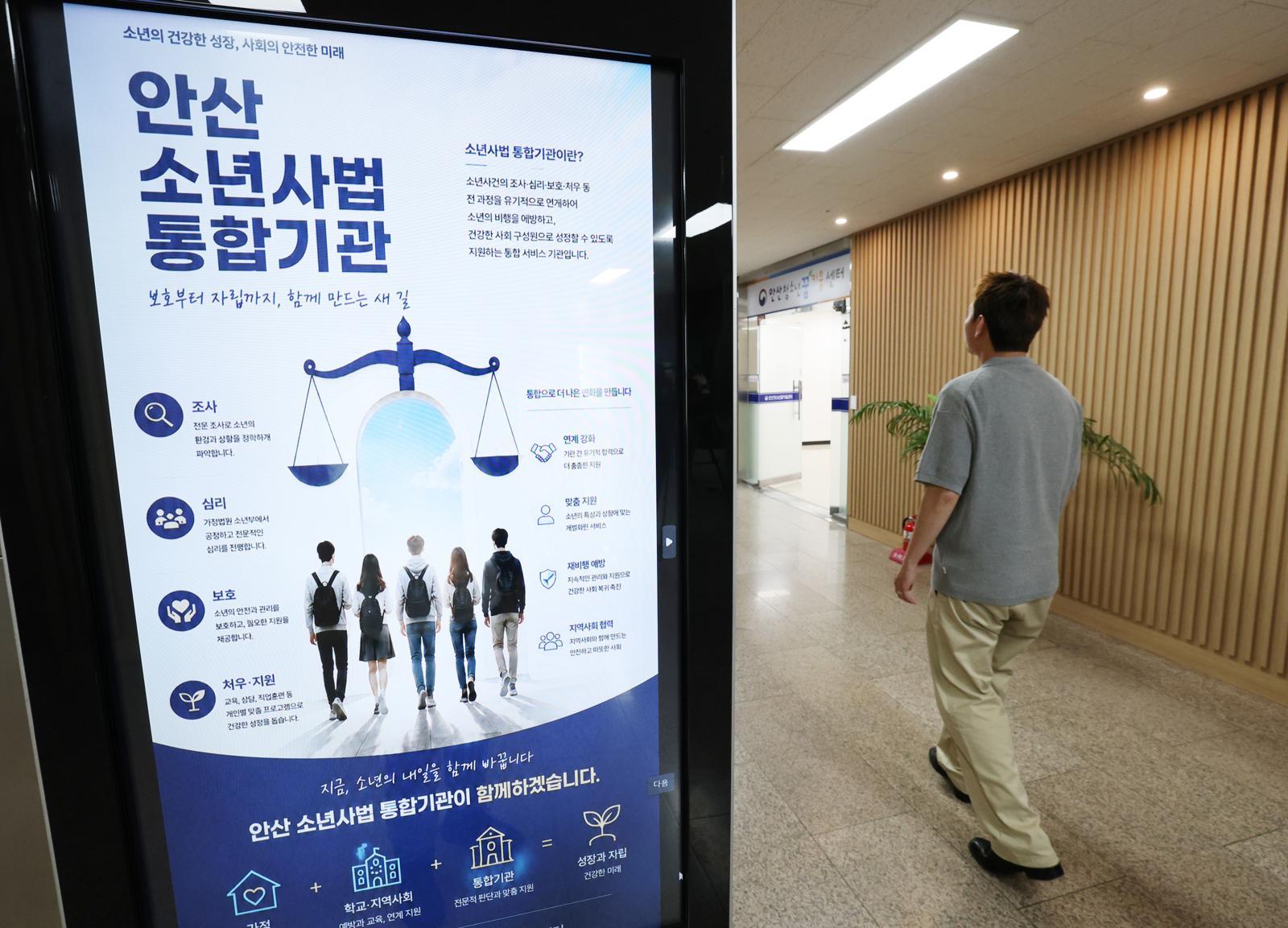
Recent data indicates a sharp increase in juvenile crime, with the proportion of first-time juvenile offenders rising to 72% in 2024 from 45% in 2015. The overall recidivism rate for juveniles under probation stands at approximately 12-13%, significantly higher than for adults. To address this, the government is establishing dedicated facilities across the country, with the Ansan Juvenile Classification Review Center being an example of this integrated model.
These specialized centers will offer a range of services, including mock court experiences where juveniles can understand the victim's perspective, psychological assessments, and educational programs focused on personal development and crime prevention. For juveniles under night-time curfew orders, smartwatches will be utilized. The long-term plan includes leveraging artificial intelligence to analyze psychological data and probation records to further refine intervention strategies and reduce recidivism.
Kim Dong-ha, head of the Ministry of Justice's Juvenile Crime Prevention Team, stated that the state will actively intervene to help juvenile offenders grow into healthy members of society, emphasizing their greater potential for change compared to adults. The initiative underscores a commitment to a more proactive and supportive system for troubled youth.
Juvenile offenders, unlike adults, have a great potential for change, so the state will actively intervene to help them grow into healthy members of society.
DistantNews Editorial
Originally published by Dong-A Ilbo in Korean. Translated, summarized, and contextualized by our editorial team with added local perspective. Read our editorial standards.
More Stories



From Our Blog

What Gets Lost (and Found) When News Is Translated

The Critical Role of Diaspora Media in Global News

What Travellers Should Know About Countries with Restricted Press

A Digital Nomad's Guide to Following Local News

How the Same Story Looks Different in Different Countries
