


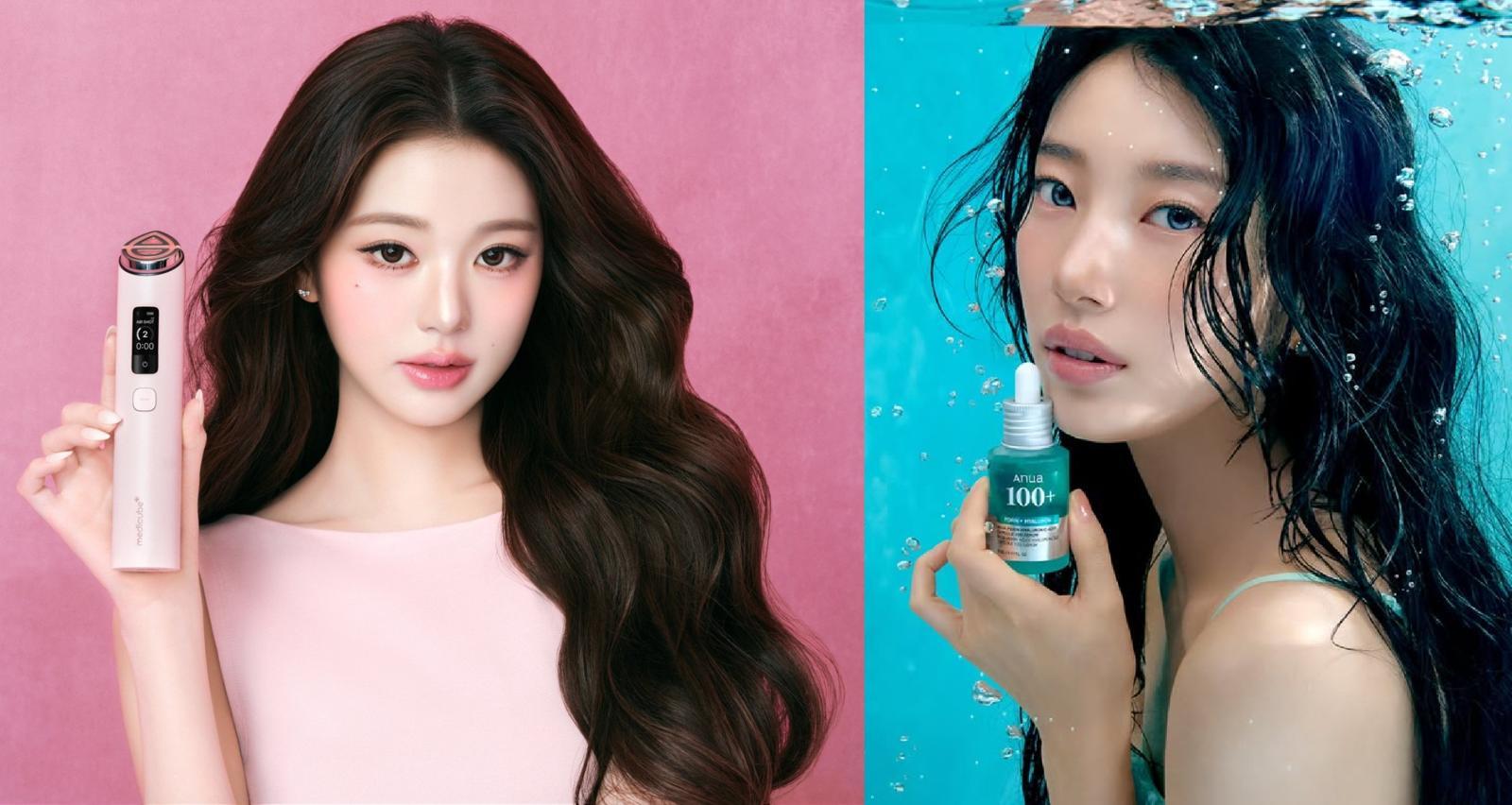
K-Beauty's Competitive Edge: Rapid Innovation and Proven Efficacy Captivate Forbes
Translated from Korean, summarized and contextualized by DistantNews.
At a glance
News
Sources not specified
Context piece
- K-beauty is redefining the global skincare market, moving beyond temporary trends to influence luxury brands with its rapid innovation, proven efficacy, and commercialization capabilities.
- Forbes highlighted K-beauty's impact, noting a shift in consumer preference from European brand heritage to innovation, regenerative science, and high-functionality ingredients.
- The Korean beauty market is projected to grow significantly, with North America expected to be the largest market share by 2025.
K-beauty is no longer just a fleeting social media trend; it is actively reshaping the global skincare market, challenging established luxury brands with its unique blend of rapid innovation, scientifically validated efficacy, and adept commercialization. This transformation is driven by the Korean beauty industry's ability to quickly translate new ingredients and technologies into marketable products, coupled with a consumer base that prioritizes tangible results.
Forbes recently spotlighted K-beauty's growing influence in an article titled 'K-Beauty Trends Redefining The Future Of Luxury Skincare.' The publication observed a significant shift in consumer priorities, moving away from the traditional emphasis on the history and prestige of European brands towards a greater appreciation for innovation, regenerative science, and potent ingredients. South Korea is at the forefront of this evolving landscape.
Korea has long been at the forefront of advanced formulations, delivery systems, and new ingredient development, and this has influenced the expectations of consumers worldwide.
The global K-beauty market is experiencing substantial growth. According to Grand View Research, the market was valued at $118.3 billion in 2025 and is projected to expand at a compound annual growth rate of approximately 10%, reaching $252.4 billion by 2033. North America is anticipated to hold the largest market share by 2025.
Forbes specifically highlighted K-beauty's rapid pace of innovation. Experts attribute this to the interconnectedness of Korea's beauty ecosystem, which includes cosmetic brands, biotech firms, dermatologists, and aesthetic clinics, facilitating swift development of novel ingredients, formulations, and technologies. This has influenced global consumer expectations, with individuals increasingly inquiring about specific ingredients like PDRN, exosomes, peptides, and polynucleotides, as well as Korean-origin technologies.
Products succeed not just by looking good on the shelf but by solving actual skin concerns.
Furthermore, the high standards of Korean consumers, who prioritize actual problem-solving efficacy over mere aesthetics, serve as a competitive advantage. Products succeed not just by looking good on the shelf but by delivering visible improvements to skin concerns. This relentless pursuit of effectiveness builds long-term trust and is a key reason why Korean skincare innovations resonate with consumers worldwide. The industry's strength also lies in its ability to rapidly commercialize research and technology into user-friendly products. While some core ingredient innovations originate in the U.S. and China, Korea excels at transforming these into products with innovative textures and formulations, as exemplified by the evolution of sunscreens that offer both advanced protection and a lightweight feel.
Looking ahead, K-beauty's influence is extending beyond ingredients and formulations into the realm of "regenerative beauty." This involves a focus on the skin's repair mechanisms and long-term health, rather than just masking visible signs of aging. The integration of artificial intelligence and biotechnology is expected to drive the next decade of innovation, enabling the development of products tailored to individual biological characteristics. This signifies a move from incremental improvements to significant leaps in performance, further solidifying K-beauty's position as a major force shaping the future of luxury skincare.
The beauty industry is not just going to evolve into a slightly better version of what we know today. It's going to move from incremental improvements to leaps in performance based on AI and biotechnology.
DistantNews Editorial
Originally published by Dong-A Ilbo in Korean. Translated, summarized, and contextualized by our editorial team with added local perspective. Read our editorial standards.
More Stories



From Our Blog

What Gets Lost (and Found) When News Is Translated

The Critical Role of Diaspora Media in Global News

What Travellers Should Know About Countries with Restricted Press

A Digital Nomad's Guide to Following Local News

How the Same Story Looks Different in Different Countries
