


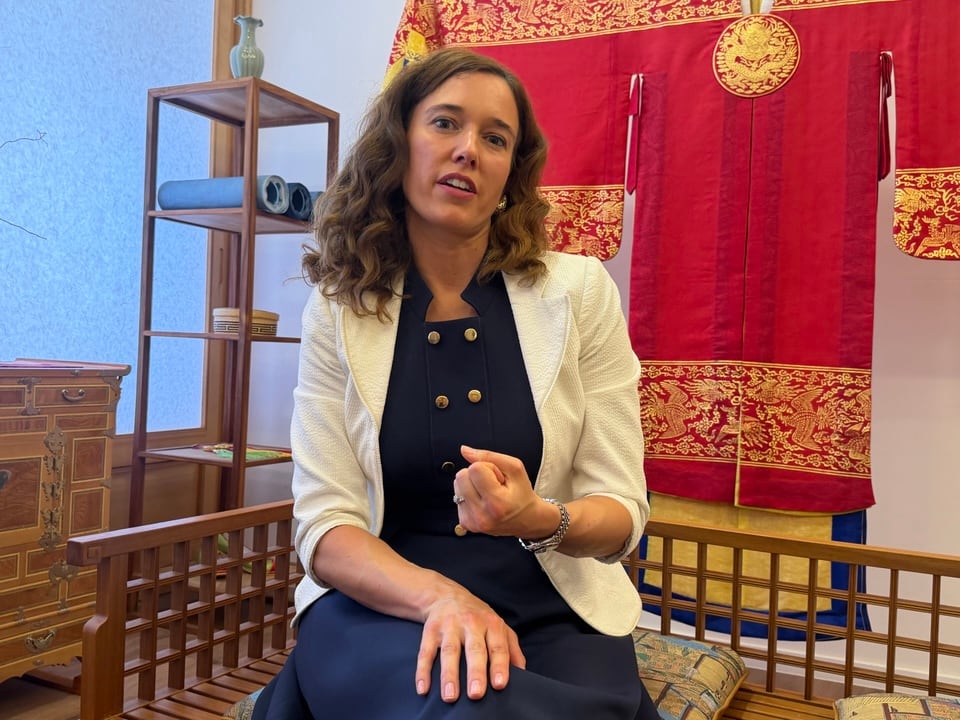
K-Culture is Now Fully Mainstream in Hungary, More Familiar Than France/China, More Agile Than Japan
Translated from Korean, summarized and contextualized by DistantNews.
At a glance
News
Sources not specified
Context piece
- South Korean cultural content, or K-culture, has become mainstream in Hungary, surpassing French and Chinese influence and showing more agility than Japanese culture.
- This trend indicates a growing global acceptance and integration of K-culture beyond its traditional Asian markets.
- The article highlights Hungary as a key European hub for K-culture's expansion.
K-culture has firmly established itself as a dominant force in Hungary, according to a Chosun Ilbo report. The phenomenon is described as having moved beyond niche appeal to become fully mainstream, outshining the cultural influence of France and China. Furthermore, K-culture is noted for its greater dynamism and responsiveness compared to Japanese culture in the Hungarian market.
This widespread adoption signifies a significant shift in European cultural consumption, with Hungary emerging as a key territory for the global expansion of South Korean entertainment and artistic exports. The report suggests that K-culture's appeal in Hungary is not only broad but also deeply integrated, resonating more readily with local audiences than other established Asian cultural influences.
The article implies that this trend reflects a broader pattern of K-culture's increasing global reach and its ability to adapt and connect with diverse international audiences. Hungary's embrace of K-culture serves as a case study for its successful penetration into new markets, demonstrating its capacity to become a familiar and agile cultural presence.
DistantNews Editorial
Originally published by Chosun Ilbo in Korean. Translated, summarized, and contextualized by our editorial team with added local perspective. Read our editorial standards.
More Stories



From Our Blog

What Gets Lost (and Found) When News Is Translated

The Critical Role of Diaspora Media in Global News

What Travellers Should Know About Countries with Restricted Press

A Digital Nomad's Guide to Following Local News

How the Same Story Looks Different in Different Countries
