


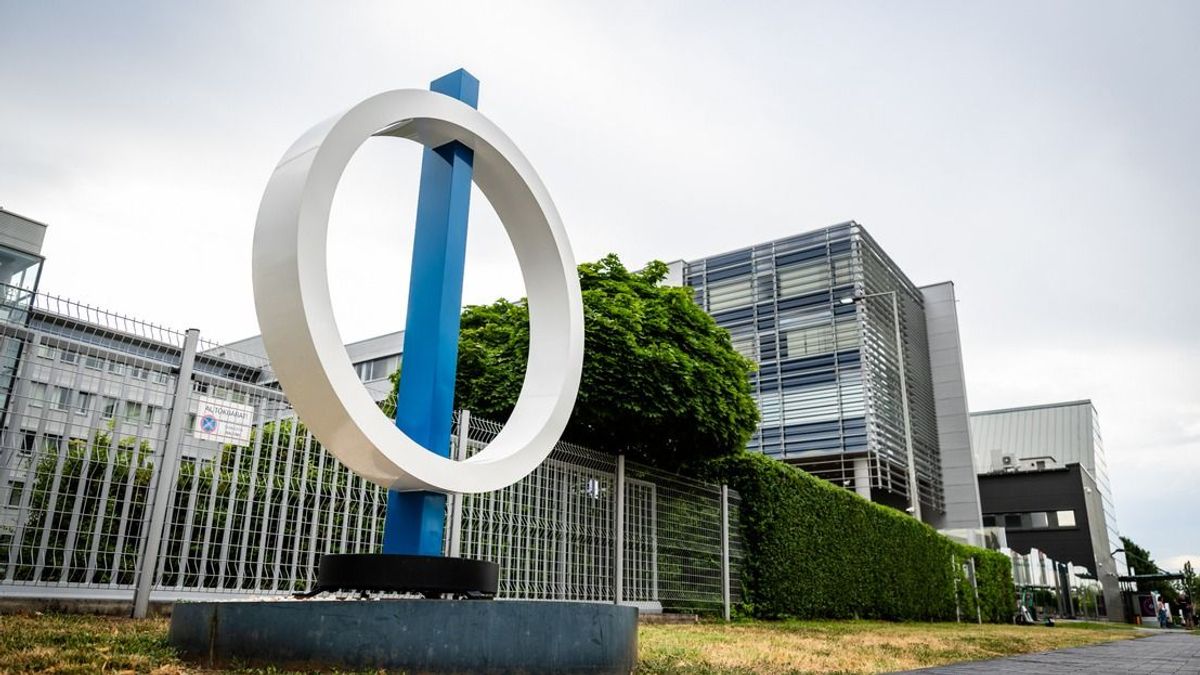
Kádár-era television stars return to Hungarian screens
Translated from Hungarian, summarized and contextualized by DistantNews.
At a glance
In-depth
Sources not specified
Context piece
- Television personalities from the Kádár era have reappeared on Hungarian public television during a holiday broadcast.
- Mészáros Antónia, who previously worked at MTV and later UNICEF, returned as a guest presenter on M1.
- László Juszt is also reportedly preparing a return to television with his consumer protection show, while a controversial 2013 staging of the rock opera "István, a király" was re-aired.
Hungarian public television's holiday programming has featured the return of prominent figures from the Kádár-era broadcasting landscape, alongside a re-airing of a controversial artistic interpretation of a national rock opera.
Mészáros Antónia, who began her career at the public broadcaster MTV in 2006, reappeared as a guest presenter on M1. She had previously hosted shows like "A szólás szabadsága" (Freedom of Speech) and "Az Este" (The Evening), and later moved to ATV before transitioning to a role as executive director of UNICEF Hungary. Her father, Mészáros Tamás, was a notable journalist during the communist era, focusing on cultural affairs and theater criticism.
Meanwhile, László Juszt, another veteran television personality known for his consumer protection program "A TV ügyvédje" (The TV Lawyer), has hinted at a potential comeback. The show, which addressed viewer conflicts with service providers and authorities, aired on MTV and later ATV before being taken off the air in 2011. Details about which channel might host his return remain unclear.
The holiday broadcast also included a re-showing of Róbert Alföldi's 2013 reimagining of the legendary rock opera "István, a király" (Stephen, the King). This production, staged for the 30th anniversary, sparked significant debate for its unconventional portrayal of characters, including a hesitant and seemingly weak King Stephen. Critics at the time argued that Alföldi's provocative approach, which included a divisive casting process, led to artistically weaker solutions and self-serving provocation.
DistantNews Editorial
Originally published by Magyar Nemzet in Hungarian. Translated, summarized, and contextualized by our editorial team with added local perspective. Read our editorial standards.
More Stories
From Our Blog

Countries Without a Free Press: What You Need to Know

What Press Freedom Means for the News You Read

What Gets Lost (and Found) When News Is Translated

The Critical Role of Diaspora Media in Global News

What Travellers Should Know About Countries with Restricted Press
