

Kallas sees broad EU support for visa ban on Russian soldiers
Translated from Danish and summarized by DistantNews. Read the original for the full story.
At a glance
Newswire
Named sources
Ongoing story
- Kaja Kallas said many EU countries support banning visas for Russians who participated in the war against Ukraine and imposing tighter limits on Russian tourist visas.
- She said a report that a Leipzig drone attack suspect entered the EU on an Italian tourist visa would show that visas can be used by people seeking to cause harm.
- EU countries are also considering expanding sanctions against people and entities involved in producing drones and missiles used against Ukraine, with a decision targeted for October.
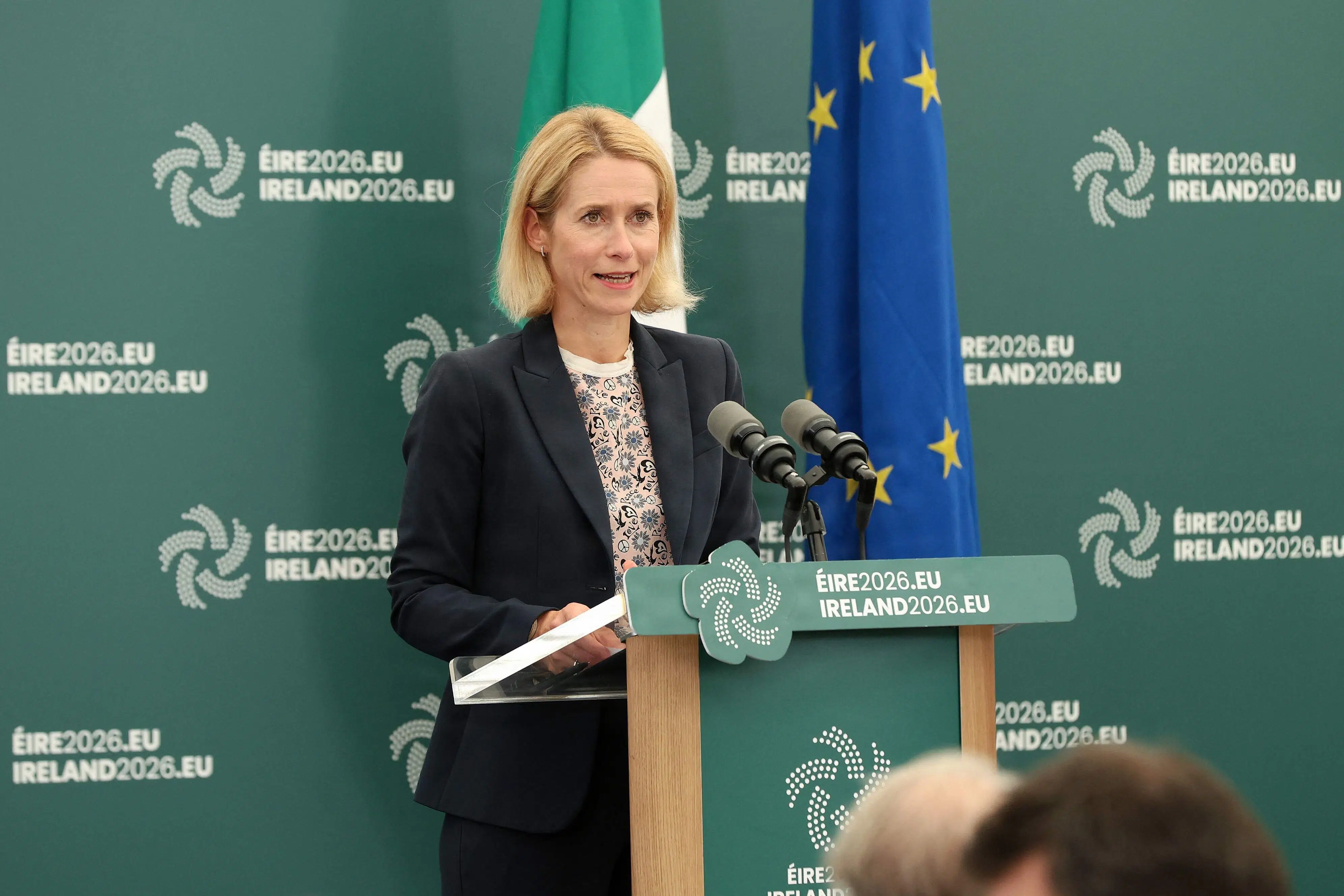
The European Union is moving toward tougher visa restrictions for Russians, according to EU foreign policy chief Kaja Kallas, who said broad support emerged at an informal foreign ministers' meeting in Ireland.
The proposed measures would target Russians who took part in the war against Ukraine and would impose stricter limits on Russian tourists. Kallas said many people did not consider it fair for Russians to enjoy European hospitality while Russia carried out attacks on civilians in Ukraine over the summer.
Many people do not think it is fair for Russians to enter Europe and enjoy the hospitality of European countries while Russia has carried out attacks on civilians in Ukraine over the summer.
She was also asked about new information concerning a drone attack in Leipzig. German authorities identified Russia as responsible for the attack on Tuesday. According to information reported by the German news agency dpa, one suspect may have entered the EU on a tourist visa issued by Italy.
Kallas said German authorities would need to confirm the information. If it proved true, she said, it would show that visas could serve as a tool for people intending to cause harm inside the EU. She added that several member states had previously warned that tourist visas could be used in sabotage attacks, and said the information might persuade countries that had opposed restrictions.
If that is true, it clearly shows that visas are a weapon for people who want to cause harm in the EU.
Italy and France have been the main opponents of visa limits during negotiations over the EU's 21st sanctions package against Russia. Their tourism industries have earned money from Russian visitors for many years.
Kallas said EU countries would continue working on tighter sanctions after the Leipzig attack. One proposal would expand a sanctions list covering about 1,600 Russian individuals and entities involved in producing drones and missiles used against Ukraine. At least one member state presented additional names for possible inclusion, which will now be examined. Kallas said the goal was to reach agreement at the foreign ministers' meeting in October.
Today, at least one member state mentioned that it has additional proposals for who should be placed on the sanctions list.
About this summary
Originally published by Berlingske in Danish. Translated, summarized, and contextualized automatically by DistantNews, with a note on how the source frames the story. Not individually reviewed before publishing. How this works.
More Stories


From Our Blog

What Gets Lost (and Found) When News Is Translated

The Critical Role of Diaspora Media in Global News

What Travellers Should Know About Countries with Restricted Press

A Digital Nomad's Guide to Following Local News

How the Same Story Looks Different in Different Countries
