


Kansas couple builds tornado-resistant home from tires, cans, and boxes
Translated from English, summarized and contextualized by DistantNews.
At a glance
News
Sources not specified
New plan
- A Kansas couple is constructing a tornado- and fire-resistant home using approximately 1,000 tires, 16,000 aluminum cans, and 1,000 cardboard boxes.
- The Earthship-style home, part of a movement founded by architect Michael Reynolds, aims to generate its own electricity, collect rainwater, manage wastewater, and regulate temperature.
- The construction project, scheduled from September 14 to October 8, 2026, emphasizes using recycled materials to create a resilient and sustainable dwelling.
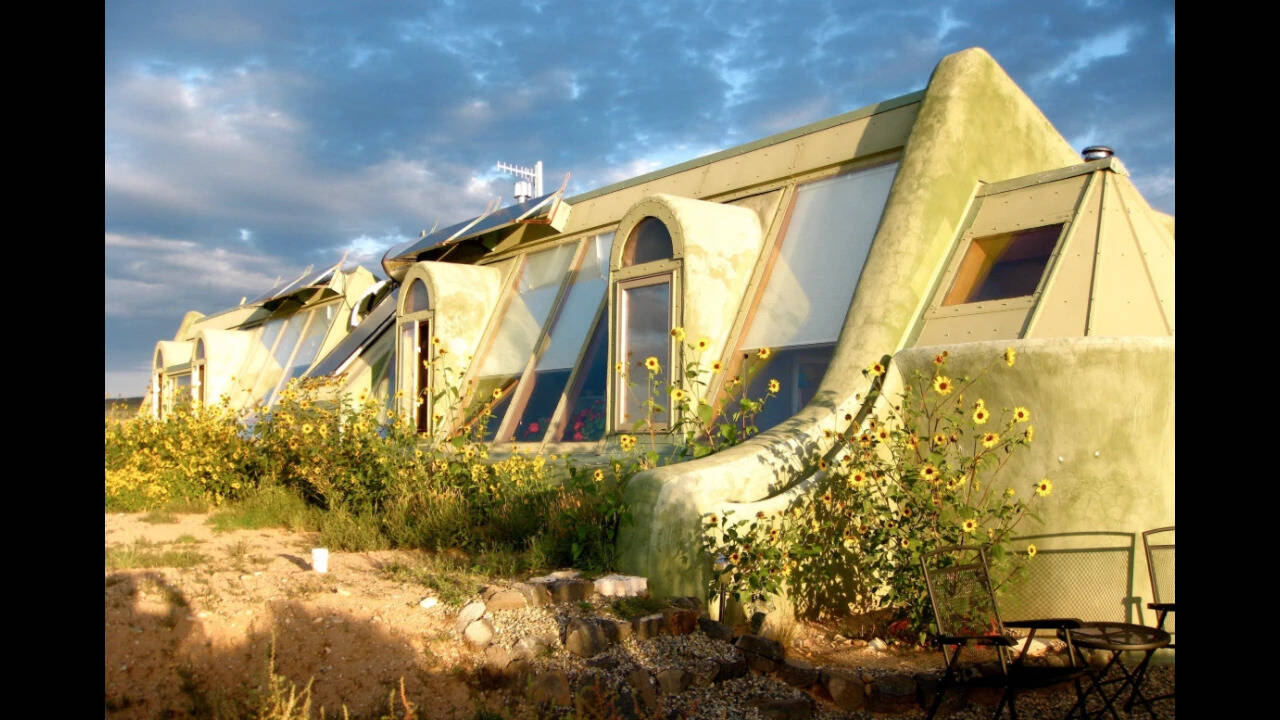
In Kansas, a couple is building an unconventional home designed to withstand the region's extreme weather, utilizing thousands of discarded items. Their Earthship incorporates about 1,000 tires, 16,000 aluminum cans, and 1,000 cardboard boxes, transforming waste into structural components.
This unique residence is part of the Earthship movement, founded by architect Michael Reynolds. The philosophy behind Earthships is that a home should provide more than just shelter; it should also generate electricity, collect rainwater, manage wastewater, regulate indoor temperatures, and support food production. The Kansas project specifically focuses on creating a tornado- and fire-resistant structure.
The most striking aspect of the home is its material composition. Instead of relying solely on conventional building products, the Earthship approach integrates recycled materials. Tires are packed with earth to form substantial walls with significant thermal mass, helping to stabilize indoor temperatures. Aluminum cans and other reclaimed materials are incorporated into a building system that views waste as a resource.
The Kansas build is particularly notable for its resilience features. Earthship Biotecture identifies it as a new fire- and tornado-resistant design, incorporating four ferro-cement vaults. These thin-shell structures, made from cement mortar reinforced with steel wire mesh and rods, form part of the home's protective architecture, addressing the need for both sustainability and robust defense against severe weather.
DistantNews Editorial
Originally published by Times of India in English. Translated, summarized, and contextualized by our editorial team with added local perspective. Read our editorial standards.
More Stories



From Our Blog

What Press Freedom Means for the News You Read

What Gets Lost (and Found) When News Is Translated

The Critical Role of Diaspora Media in Global News

What Travellers Should Know About Countries with Restricted Press

A Digital Nomad's Guide to Following Local News
