


KASHIM SHETTIMA AND THE NORTHERN POLITICAL LEADERSHIP
Summarized and contextualized by DistantNews.
At a glance
Analysis
Named sources
Context piece
- Kashim Shettima's political career, spanning from state administration to Vice President, is examined as a significant leadership trajectory in Northern Nigeria.
- The article discusses the evolving nature of political leadership in the region, highlighting the need for experience, vision, and bridge-building capabilities.
- Shettima's broad exposure across various governance levels is presented as preparation for higher national responsibilities amid Nigeria's transformation.
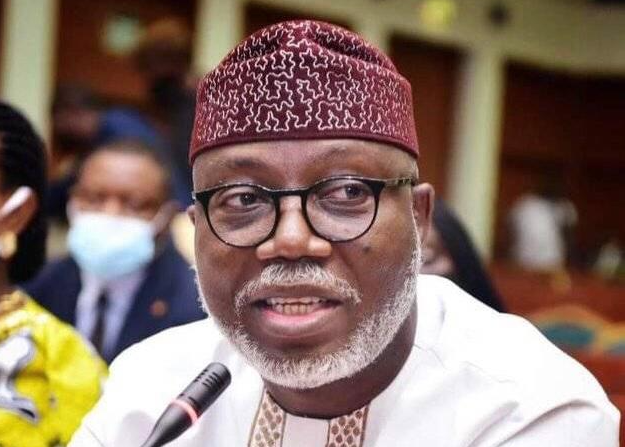
The question of who will lead Northern Nigeria has gained prominence as the region confronts economic hardship, insecurity, and high youth unemployment. Central to this discussion is Kashim Shettima, whose political ascent from state-level roles to national governance is considered a major leadership development in contemporary Northern politics.
Shettima's current position as Vice President of Nigeria has refocused attention on the qualities essential for effective leadership during a period of significant national change. His career, which includes roles in the private sector, as a Commissioner, Governor, Senator, and now Vice President, offers a case study in how experience and responsibility shape leadership capacity.
Political leadership evolves continuously, adapting to changing circumstances and emerging challenges. Northern Nigeria, with its large population and strategic importance, requires leaders who possess a blend of experience, foresight, competence, and the ability to unite diverse societal segments. The discourse on Northern leadership thus extends beyond any single individual, encompassing the contributions and varied experiences of different generations of leaders.
Leaders such as Atiku Abubakar, Rabiu Musa Kwankwaso, and Ahmadu Adamu Mu’azu represent different political traditions. Their influence stems from national participation, grassroots mobilization, party organization, legislative work, or executive administration. This assessment of Shettima's journey aims not to diminish others, but to understand how leadership evolves and why certain experiences become particularly relevant at specific historical junctures. Shettima's gradual accumulation of responsibilities across different governmental institutions, from the private sector to national executive power, provides a strong foundation for his prominent role in the next phase of Northern political leadership.
DistantNews Editorial
Originally published by ThisDay. Summarized and contextualized by our editorial team with added local perspective. Read our editorial standards.
More Stories


From Our Blog

How the Same Story Looks Different in Different Countries

What Gets Lost (and Found) When News Is Translated

The Critical Role of Diaspora Media in Global News

What Travellers Should Know About Countries with Restricted Press

A Digital Nomad's Guide to Following Local News
