

Kazakh Titanium Dominates 20% of Global Aerospace Market, Officials Say
Translated from English, summarized and contextualized by DistantNews.
At a glance
News
Official statement
New plan
- Kazakhstan's titanium production accounts for about 20% of the global aerospace market, according to Prime Minister Olzhas Bektenov.
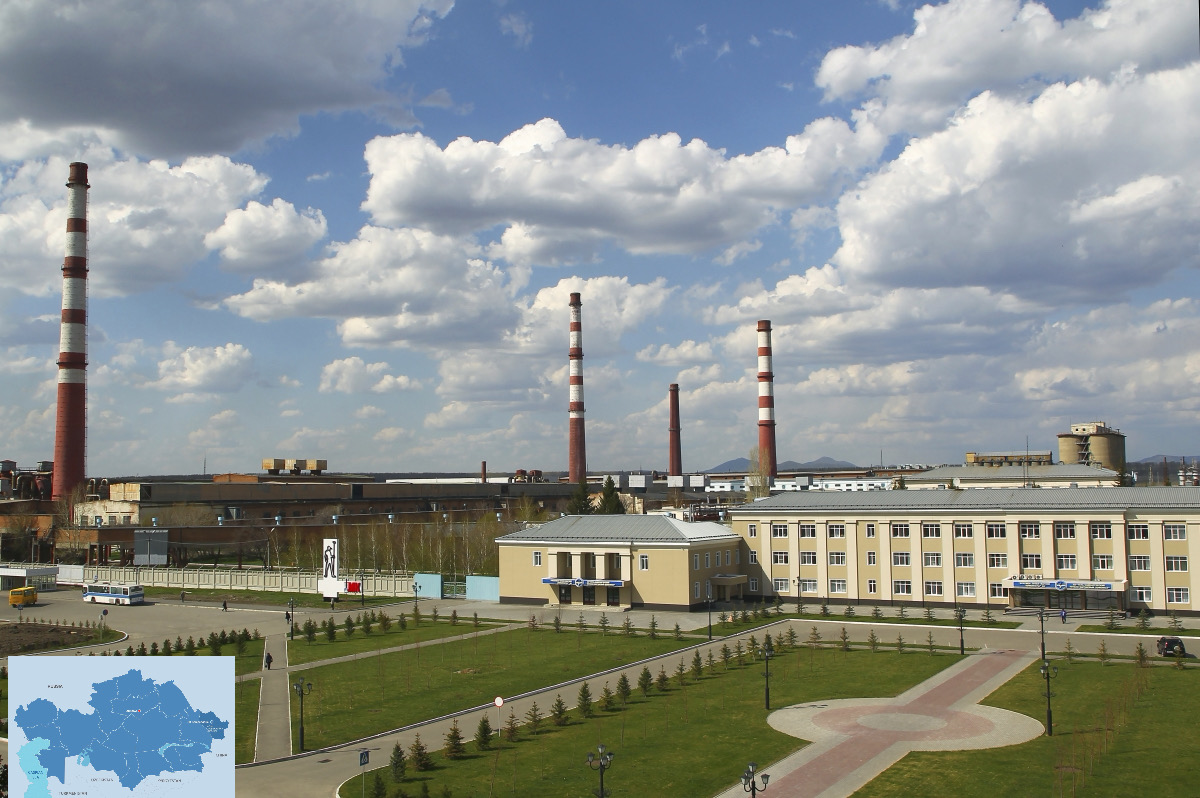
- The Ust-Kamenogorsk Titanium and Magnesium Plant (UKTMP) is a key player, with a vertically integrated production cycle.
- UKTMP has an ambitious investment program through 2033, including a new sponge titanium facility, aimed at increasing capacity and modernizing operations.
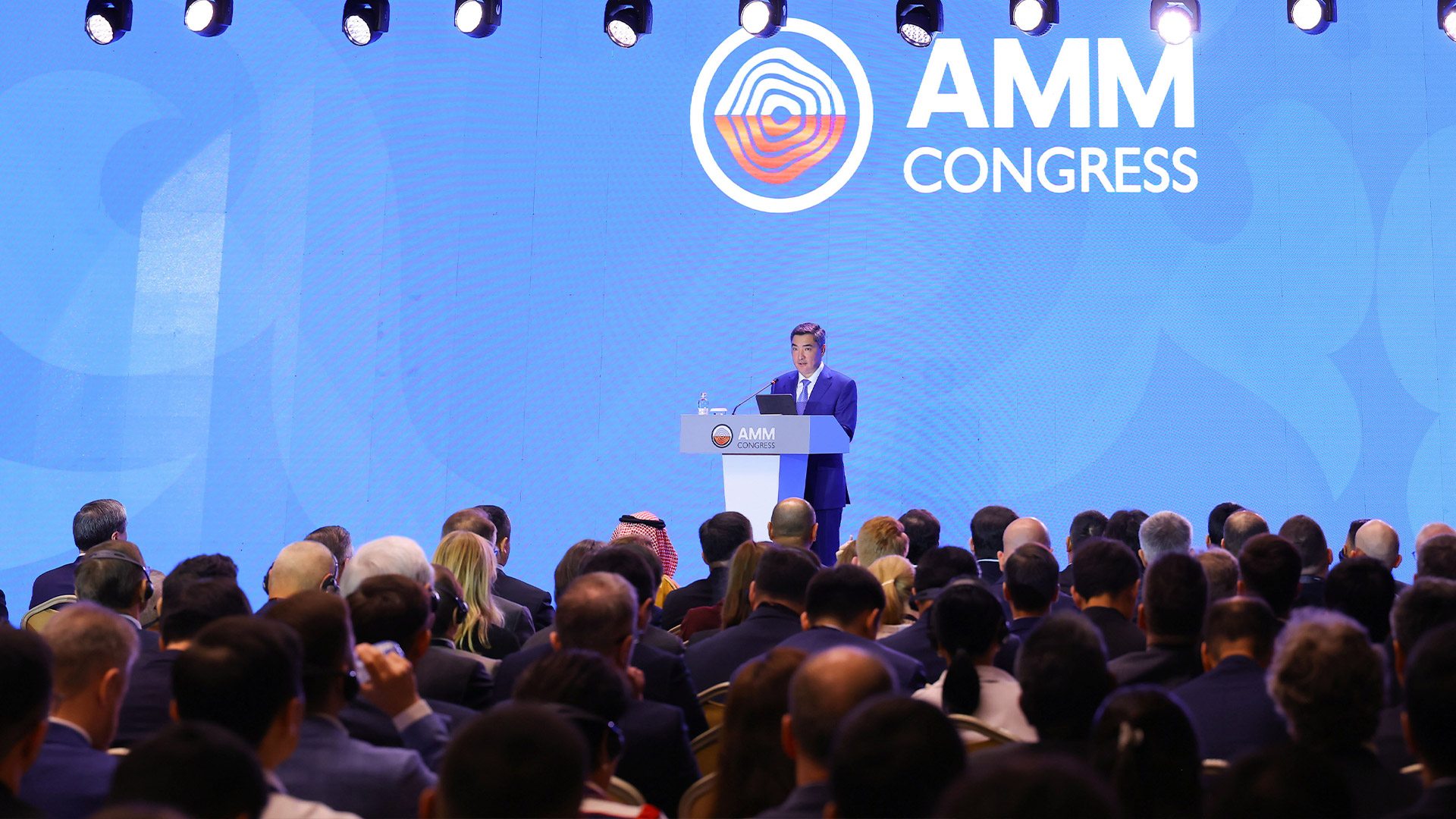
Kazakhstan's titanium output represents a significant portion of the global aerospace industry, making up approximately 20% of the market, Prime Minister Olzhas Bektenov announced. This assertion came during a meeting on June 11 focused on the expansion plans and global supply chain role of the Ust-Kamenogorsk Titanium and Magnesium Plant (UKTMP).
UKTMP stands as one of the world's leading vertically integrated titanium producers, managing the entire process from raw material processing to the creation of finished titanium products. The company's materials are crucial for sectors including aerospace, petrochemicals, nuclear energy, medicine, and shipbuilding. In 2025, UKTMP reported selling around 12,000 tons of titanium products, generating nearly 87 billion tenge (US$179 million) in revenue. Production of titanium ingots and alloys is projected to rise by 7% this year.
The plant supplies titanium to major international manufacturers such as Boeing, Airbus, Safran, and Rolls-Royce. To further bolster its position, UKTMP has outlined an extensive investment program scheduled through 2033. This program encompasses 25 projects valued at 255.5 billion tenge (US$525 million).
Key initiatives within this investment plan include the construction of a new sponge titanium production facility, designed to boost annual capacity by 10,000 tons. The program also prioritizes modernizing gas-cleaning equipment, implementing an integrated Manufacturing Execution System (MES), and deploying artificial intelligence and analytics platforms. These advancements aim to enhance production monitoring, energy management, process control, and industrial safety, ultimately reducing costs and expanding manufacturing capabilities.
DistantNews Editorial
Originally published by The Astana Times in English. Translated, summarized, and contextualized by our editorial team with added local perspective. Read our editorial standards.
More Stories



From Our Blog

What Gets Lost (and Found) When News Is Translated

The Critical Role of Diaspora Media in Global News

What Travellers Should Know About Countries with Restricted Press

A Digital Nomad's Guide to Following Local News

How the Same Story Looks Different in Different Countries
