

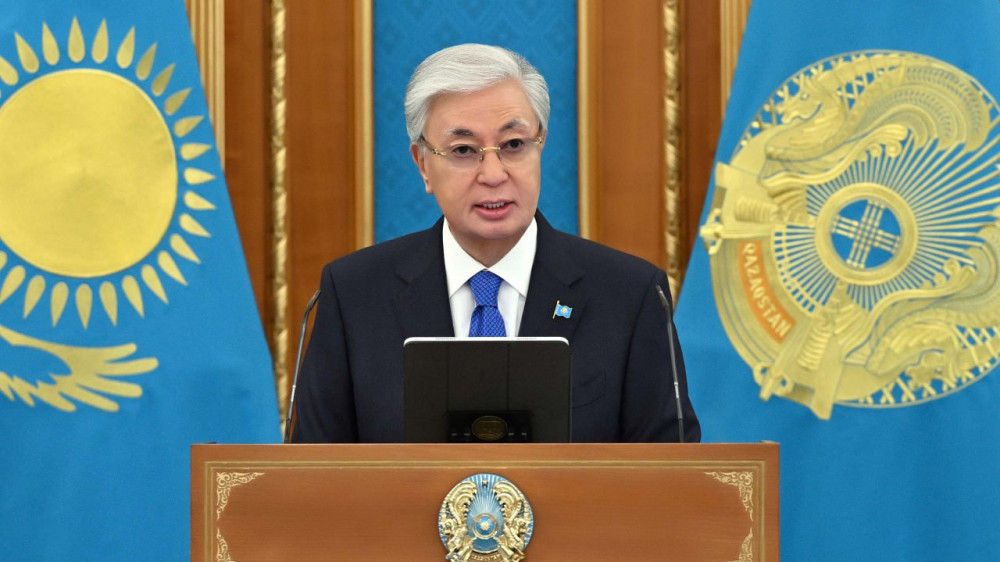

Kazakhstan: A Turquoise Zone Connecting Ancient Horizons with the 21st Century
Translated from English, summarized and contextualized by DistantNews.
At a glance
In-depth
Named sources
Context piece
- Kazakhstan is presented as a potential "Turquoise Zone," blending natural beauty, cultural preservation, and technological advancement.
- The country's strategic location in Eurasia and its history as a Silk Road corridor are highlighted as strengths.
- Nazarbayev University is identified as a key knowledge hub driving Kazakhstan's future, with plans to host the Eurasian Higher Education Leaders’ Forum in 2026.
Kazakhstan is emerging as a potential "Turquoise Zone," a concept that merges the longevity and community strength of "Blue Zones" with the ecological richness of "Green Zones." This vision positions the nation as a model for the 21st century, capable of protecting nature, fostering communities, preserving culture, and utilizing technology for human well-being.
Strategically located at the heart of Eurasia, Kazakhstan has historically served as a vital corridor and meeting point. Its nomadic culture, characterized by adaptation and resilience, is seen as particularly relevant for contemporary challenges. The capital city, Astana, symbolizes this forward-looking ambition with its modern architecture and international institutions.
A cornerstone of this vision is Nazarbayev University, which is rapidly becoming a leading knowledge hub in Central Asia. Ranked among the top global universities, it aims to be a "laboratory of the future." The university will host the Eurasian Higher Education Leaders’ Forum in June 2026, bringing together leaders and researchers to discuss critical issues.
DistantNews Editorial
Originally published by The Astana Times in English. Translated, summarized, and contextualized by our editorial team with added local perspective. Read our editorial standards.
More Stories
From Our Blog

What Gets Lost (and Found) When News Is Translated

The Critical Role of Diaspora Media in Global News

What Travellers Should Know About Countries with Restricted Press

A Digital Nomad's Guide to Following Local News

How the Same Story Looks Different in Different Countries
