

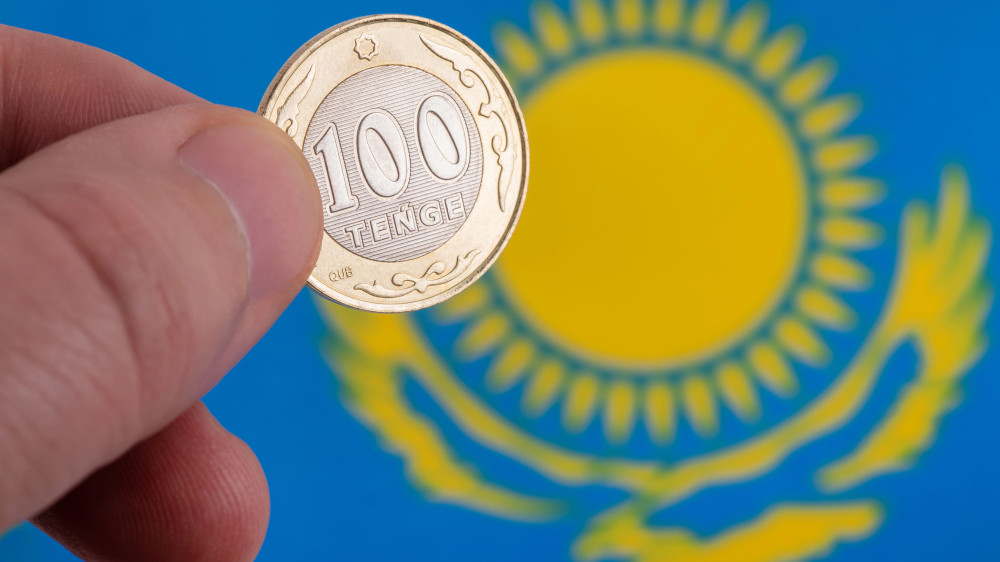
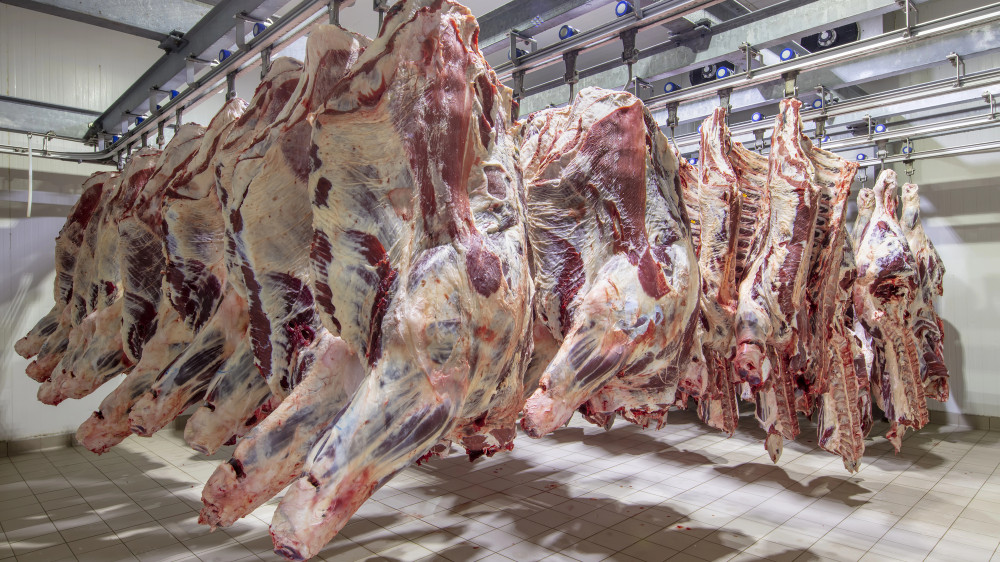
Kazakhstan plans to introduce quotas on meat exports
Summarized and contextualized by DistantNews.
At a glance
News
Official statement
New plan
- Kazakhstan plans to implement six-month quotas on cattle meat exports, limiting shipments to 25,000 tonnes.
- The measure aims to secure raw materials for domestic processors, boost value-added production, and stabilize domestic prices.
- Similar quotas were in place from October 2025 to June 2026, with a total limit of 20,000 tonnes.
Kazakhstan is preparing to introduce quotas on the export of cattle meat for a period of six months, capping shipments at 25,000 tonnes. The Ministry of Agriculture has drafted an order detailing these quantitative restrictions on fresh, chilled, and frozen beef destined for third countries and nations within the Eurasian Economic Union.
This move, developed based on a decision from the Interdepartmental Commission on Foreign Trade Policy, is intended to bolster the domestic meat-processing industry. Key objectives include ensuring a sufficient raw material base for local enterprises, increasing the volume of processed agricultural products, enhancing added value within Kazakhstan, creating additional employment opportunities, saturating the domestic market with meat products, and stabilizing prices for consumers.
The draft order is currently open for public discussion until July 1. This initiative follows a similar measure implemented previously. From December 31, 2025, rules for distributing meat export quotas were in effect until June 30, 2026, with a total export quota set at 20,000 tonnes. That quota was initially introduced in October 2025.
At the time of the earlier quota's introduction, the Ministry of Agriculture stated its primary goals were to ensure food security, stimulate deep processing of products, establish transparent statistics, and guarantee the traceability of meat origin. The reintroduction of quotas signals a continued focus on these priorities, aiming to balance export opportunities with the needs of the domestic market and processing sector.
DistantNews Editorial
Originally published by Tengrinews. Summarized and contextualized by our editorial team with added local perspective. Read our editorial standards.
More Stories

From Our Blog

What Gets Lost (and Found) When News Is Translated

The Critical Role of Diaspora Media in Global News

What Travellers Should Know About Countries with Restricted Press

A Digital Nomad's Guide to Following Local News

How the Same Story Looks Different in Different Countries
