

Kazakhstan’s Smart City Strategy Enters New Phase Through Global AI Partnerships
Summarized and contextualized by DistantNews.
At a glance
News
Sources not specified
Context piece
- Kazakhstan signed an agreement with the Global Digital Economy Cities Alliance (DEC40) to enhance cooperation in smart city development and artificial intelligence.
- The partnership aims to facilitate the exchange of international expertise, attract technology companies and investors, and implement advanced AI and digital governance solutions.
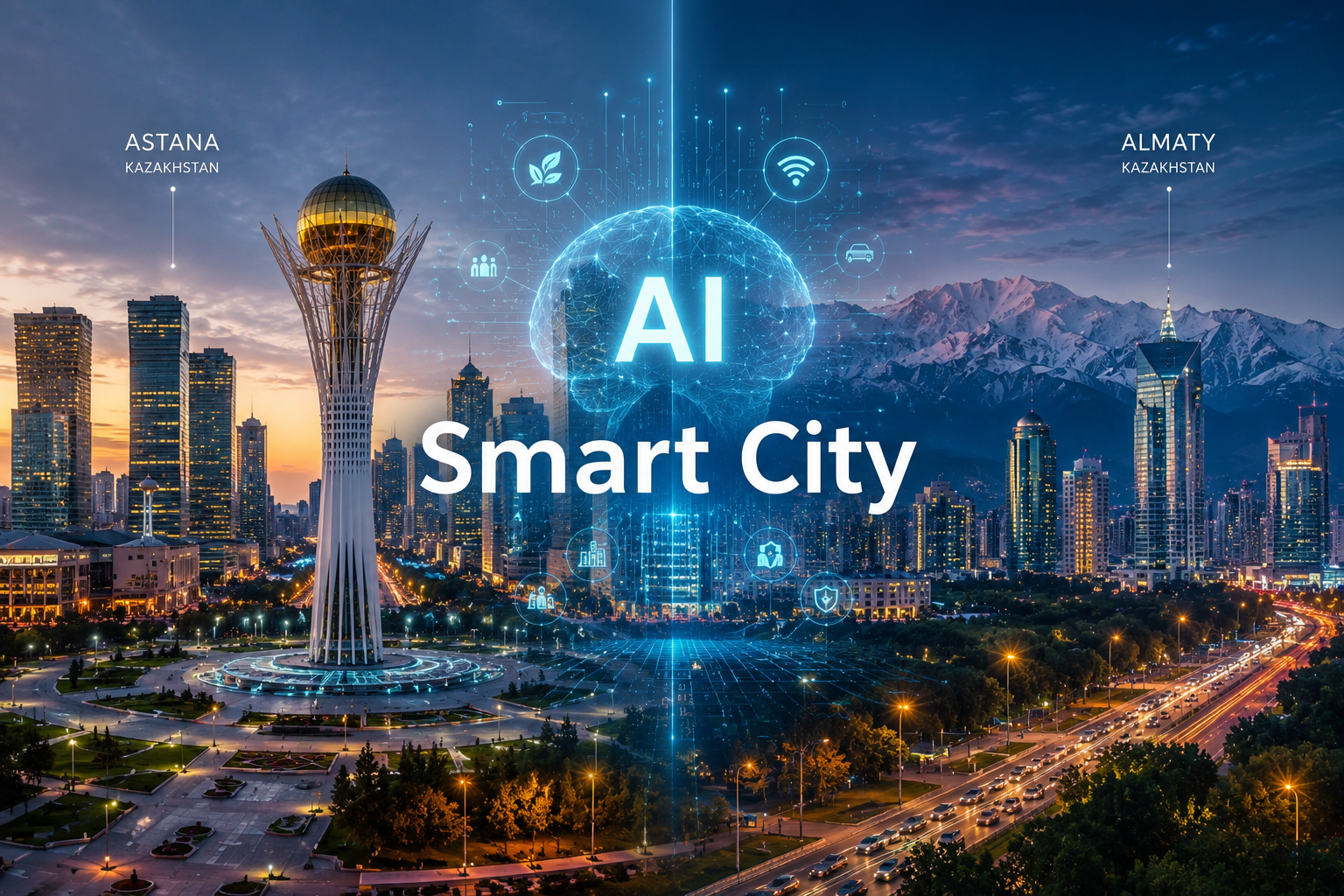
- Astana is being developed as a testing ground for Kazakhstan's smart city ambitions, including a $190 million project with Presight AI to create a digital twin of the city by 2030.
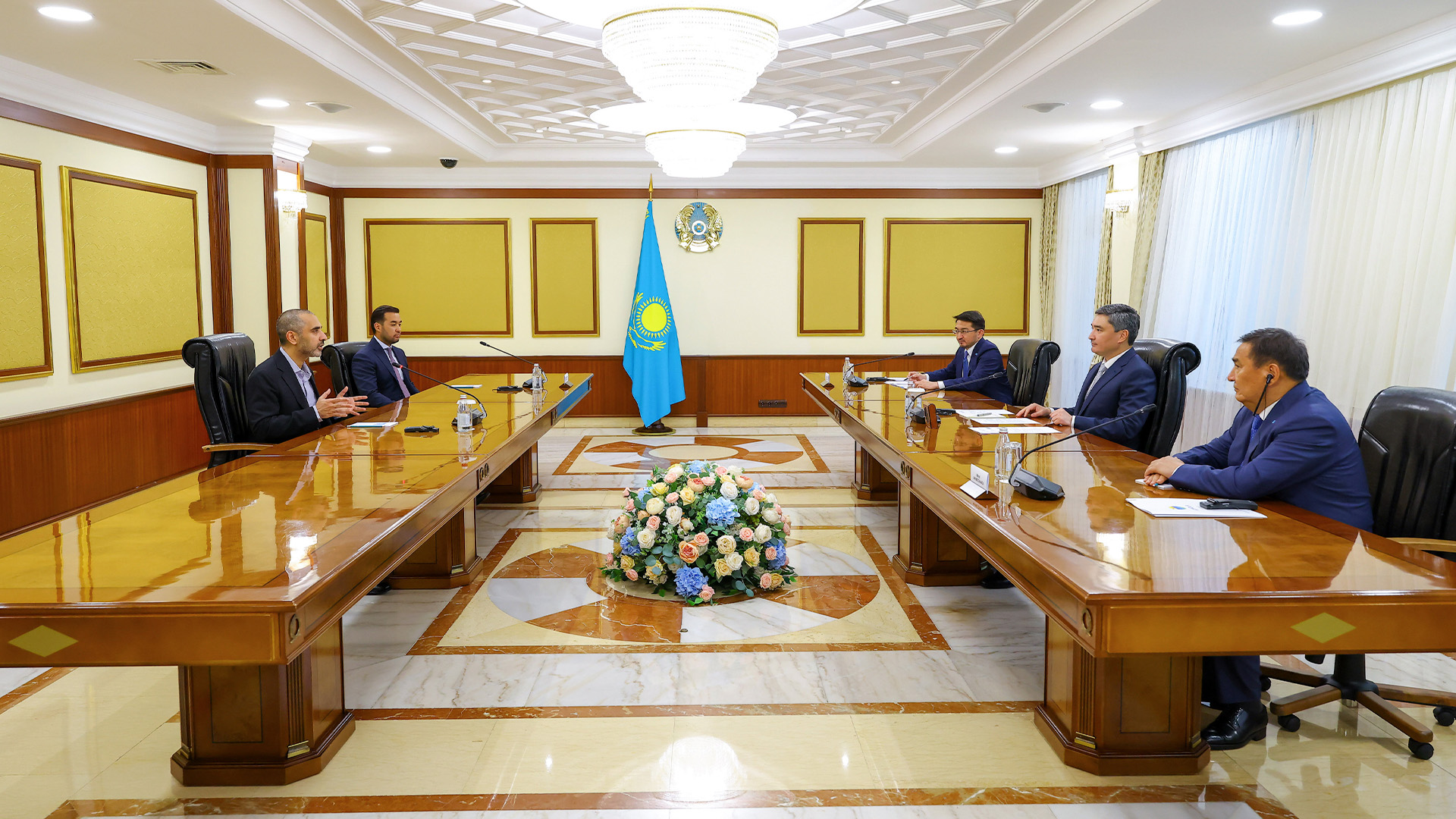
Kazakhstan is accelerating its digital transformation by signing a partnership agreement with the Global Digital Economy Cities Alliance (DEC40) on July 28. This collaboration aims to bolster advancements in smart city development, artificial intelligence, and regional innovation, marking a significant step in the nation's digital agenda.
The agreement between Kazakhstan's Ministry of Artificial Intelligence and Digital Development and DEC40 is designed to foster the exchange of international expertise. It seeks to attract technology firms and investors, paving the way for the implementation of cutting-edge solutions in artificial intelligence, digital governance, and smart city initiatives. The success of this partnership hinges on its ability to translate international cooperation into practical projects that tangibly improve public services, urban efficiency, and the overall quality of life for citizens.
Astana is emerging as the primary hub for testing Kazakhstan's smart city strategies. The capital is actively building an integrated digital ecosystem that incorporates AI, video analytics, intelligent transport systems, and data-driven public administration. A key component of this initiative is a $190 million, six-year project with UAE-based Presight AI. This ambitious undertaking aims to modernize existing infrastructure, expand AI-powered monitoring systems, and establish a comprehensive digital twin of Astana by the year 2030. This project is expected to enhance urban data systems, optimize traffic management, strengthen emergency response capabilities, and streamline city operations.
Beyond the capital, the DEC40 agreement supports Kazakhstan's vision for creating a national smart region ecosystem. The country plans to identify and present priority smart region and smart city projects to the international DEC40 community to attract technological solutions, strategic partners, and investors. This aligns with Kazakhstan's broader digital transformation goals, which encompass AI development, GovTech modernization, cybersecurity, and the expansion of digital infrastructure across key sectors like energy, agriculture, and logistics.
DistantNews Editorial
Originally published by The Astana Times. Summarized and contextualized by our editorial team with added local perspective. Read our editorial standards.
More Stories


From Our Blog

What Gets Lost (and Found) When News Is Translated

The Critical Role of Diaspora Media in Global News

What Travellers Should Know About Countries with Restricted Press

A Digital Nomad's Guide to Following Local News

How the Same Story Looks Different in Different Countries
