


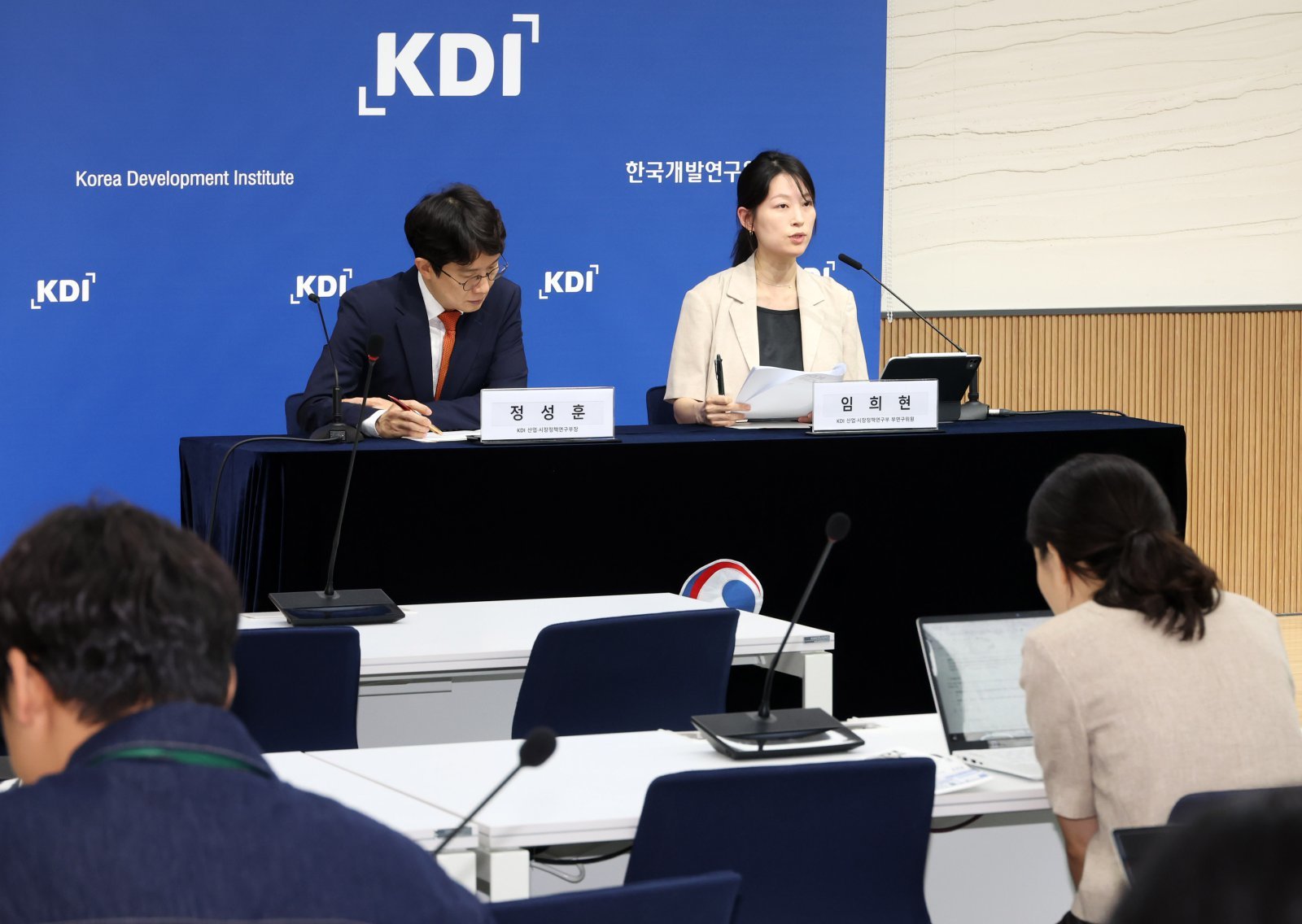
KDI: Renewable energy expansion needs more than subsidies; grid and financing must improve
Translated from Korean, summarized and contextualized by DistantNews.
At a glance
News
Sources not specified
Context piece
- South Korea needs to improve its power grid, energy storage systems, and financing to effectively expand renewable energy, according to the Korea Development Institute (KDI).
- The country's current renewable energy capacity is significantly below the 2030 target, requiring a fourfold increase in installation speed.
- KDI suggests implementing policies like Contracts for Difference (CfD) and regional electricity pricing to stabilize developer revenue and encourage private investment.
Expanding renewable energy in South Korea requires more than just increased subsidies; significant improvements to the power grid, energy storage systems, and financing mechanisms are crucial, according to a report by the Korea Development Institute (KDI). The nation's cumulative renewable energy capacity reached 39.1 GW in the first half of 2026, falling far short of the government's 2030 target of 100 GW. To meet this goal, South Korea must install over 6.8 GW every six months, a pace four times faster than the average of the past five and a half years.
A major obstacle identified by KDI is the insufficient expansion of the power transmission network. While power generation capacity increased by 154% between 2003 and 2023, the transmission network grew by only 26%. KDI recommends accelerating transmission network development, increasing energy storage systems (ESS), and expanding demand response markets to manage electricity usage.
The institute also proposed implementing a Contracts for Difference (CfD) system to stabilize developer revenues. This system would compensate developers if electricity prices fall below contract prices and require them to return excess profits if prices rise. KDI emphasized the need for policy financial institutions to share some of the project risks to attract private investment. Furthermore, KDI suggested optimizing subsidy distribution, noting that while South Korea's social benefit per won of renewable energy subsidy was 1.33 won in 2020, it lagged behind countries like the United States (3.50 won).
DistantNews Editorial
Originally published by Dong-A Ilbo in Korean. Translated, summarized, and contextualized by our editorial team with added local perspective. Read our editorial standards.
More Stories



From Our Blog

What Gets Lost (and Found) When News Is Translated

The Critical Role of Diaspora Media in Global News

What Travellers Should Know About Countries with Restricted Press

A Digital Nomad's Guide to Following Local News

How the Same Story Looks Different in Different Countries
