

Keeping the forest through technology: The Ta' Oi people's new approach
Translated from Vietnamese, summarized and contextualized by DistantNews.
At a glance
In-depth
Sources not specified
Context piece
- The Ta' Oi people in Vietnam are adapting their traditional forest livelihoods to modern technology.
- Historically, they relied on the forest for hunting and sustenance during lean times.
- Today, they are learning new skills like ecotourism, English, and traditional crafts to preserve the forest and their culture.
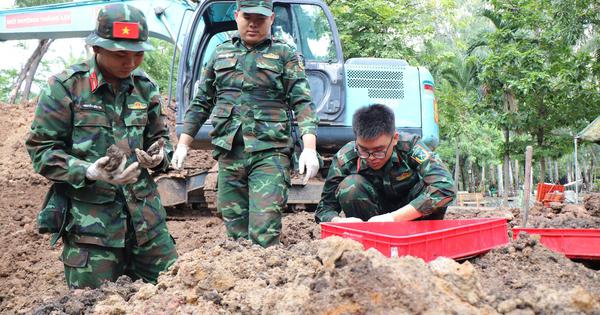
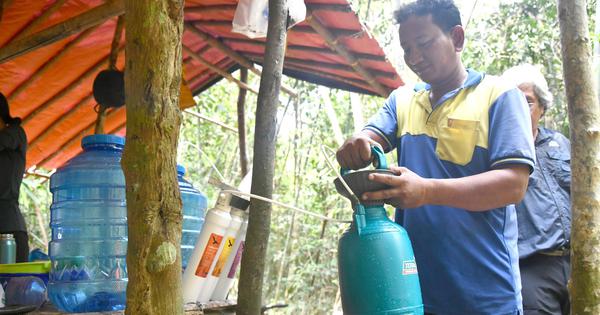
In Vietnam's Central Highlands, the Ta' Oi ethnic minority is finding innovative ways to protect their ancestral forests by embracing technology and new economic models. Traditionally, the Ta' Oi people depended directly on the forest for survival, hunting game and gathering food during difficult periods. This relationship with the forest is deeply ingrained in their culture and history.
Now, facing the pressures of modernization, the Ta' Oi are shifting their approach. They are actively learning new skills that allow them to benefit from the forest without depleting its resources. This includes developing ecotourism ventures, guiding visitors through the forests, and sharing their cultural heritage. Many are also learning English to better communicate with international tourists.
Furthermore, the Ta' Oi are reviving and promoting traditional crafts, such as weaving intricate brocade textiles. These economic activities are designed to create sustainable livelihoods while fostering a sense of stewardship over the forest. By telling stories of their culture and history, they aim to connect visitors to the natural environment and build a future where both the forest and their community can thrive.
DistantNews Editorial
Originally published by Thanh Niên in Vietnamese. Translated, summarized, and contextualized by our editorial team with added local perspective. Read our editorial standards.
More Stories

From Our Blog

What Gets Lost (and Found) When News Is Translated

The Critical Role of Diaspora Media in Global News

What Travellers Should Know About Countries with Restricted Press

A Digital Nomad's Guide to Following Local News

How the Same Story Looks Different in Different Countries
