


Key Factors for Semiconductor Stock Rebound Identified Amid Market Adjustments
Translated from Korean, summarized and contextualized by DistantNews.
At a glance
Analysis
Sources not specified
Context piece
- South Korean semiconductor stocks, including Samsung Electronics and SK Hynix, are facing adjustments, with key factors for a rebound identified.
- Analysts point to continued AI investment by U.S. tech giants, the SK Hynix ADR listing, and a recovery in Samsung's foundry business as crucial variables.
- Despite concerns about slowing capital expenditure, foreign investment has begun flowing back into the electronics sector, signaling potential shifts in market sentiment.
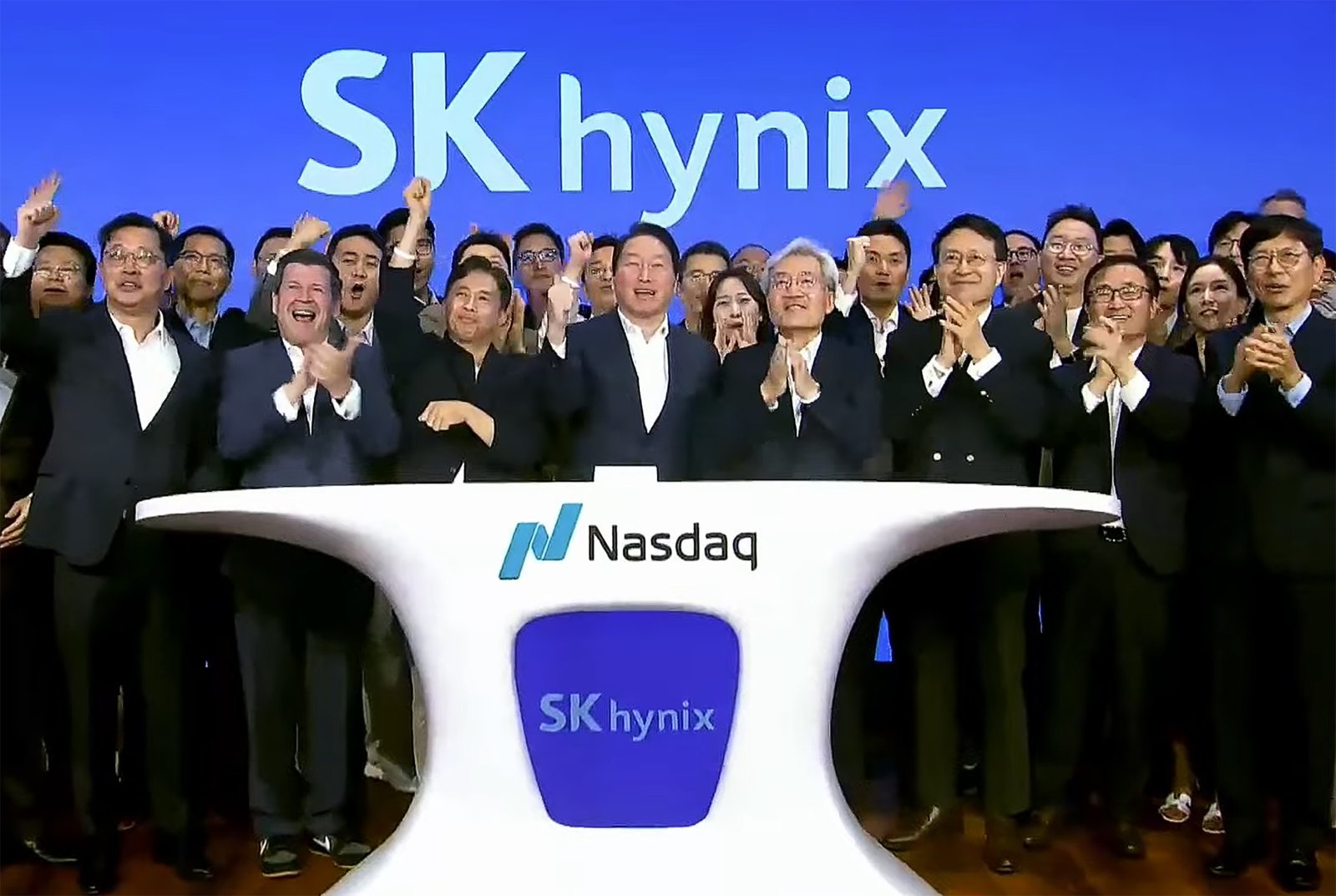
The stock prices of major South Korean semiconductor companies, Samsung Electronics and SK Hynix, are currently undergoing adjustments. Analysts suggest that the future rebound for these semiconductor stocks hinges on several key variables, including the sustained investment in artificial intelligence by major U.S. tech firms, the recent listing of SK Hynix's American Depositary Receipts (ADRs) on the Nasdaq, and a potential recovery in Samsung Electronics' foundry business.
Foreign capital started to flow into the electrical and electronics sector starting yesterday. It appears that foreigners have finished their rebalancing and have started buying again.
Lee Hwa-jin, a team leader at Meritz Securities, noted that despite Samsung Electronics reporting record preliminary second-quarter earnings of 89 trillion won, market sentiment has been cautious. Some reports have lowered target prices due to concerns about a slowdown in capital expenditure by big tech companies. However, Lee observed a shift in actual supply and demand dynamics, with foreign investors beginning to re-enter the electrical and electronics sectors.
The listing of SK Hynix's ADRs on the Nasdaq is considered a significant new market variable. The offering reportedly attracted over seven times the expected funds, potentially leading to inclusion in the Nasdaq and Philadelphia Semiconductor indices. This could trigger inflows of passive investment funds.
SK Hynix ADR public offering attracted over 7 times the expected funds. After the U.S. ADR listing, the possibility of inclusion in the Nasdaq and Philadelphia Semiconductor indices may increase, and passive fund inflows can be expected.
For Samsung Electronics, the recovery of its foundry business in the second half of the year is deemed critical. Although the foundry division has faced profitability challenges due to cost burdens, global client orders for contract manufacturing are gradually increasing. Lee also suggested that if Samsung Electronics, which holds substantial cash reserves exceeding 100 trillion won, clarifies its specific merger and acquisition (M&A) or shareholder return policies during its earnings announcement on the 30th, it could provide a strong momentum for a market turnaround.
Samsung Electronics' foundry business is currently not performing well due to cost burdens, but as global clients' consignment production volumes gradually increase, the trend may change in the future.
Overall, the outlook for the semiconductor industry remains positive. Lee believes that investment cycles are far from over, citing continued large-scale funding by companies like Amazon for AI. As long as memory chip prices and AI demand remain strong, the performance of semiconductor companies is likely to improve. Investors with available cash are advised to consider a gradual, phased buying strategy during the current adjustment period.
There are concerns that big tech companies will reduce AI investment, but in reality, companies like Amazon are continuing to invest by raising large-scale funds. It is difficult to see the investment cycle as over.
DistantNews Editorial
Originally published by Dong-A Ilbo in Korean. Translated, summarized, and contextualized by our editorial team with added local perspective. Read our editorial standards.
More Stories
From Our Blog

What Gets Lost (and Found) When News Is Translated

The Critical Role of Diaspora Media in Global News

What Travellers Should Know About Countries with Restricted Press

A Digital Nomad's Guide to Following Local News

How the Same Story Looks Different in Different Countries
