

Kidney in a box: New tech speeds transplant recovery in Canada
Translated from English, summarized and contextualized by DistantNews.
At a glance
News
Sources not specified
New plan
- A new 'kidney in a box' technology, the XVIVO Kidney Assist Transport, has been approved for use in Canada and is being utilized at the University of Alberta Hospital in Edmonton.
- This device introduces oxygen to transported kidneys, improving outcomes and recovery times for transplant recipients, especially for organs from deceased donors which are at higher risk of injury.
- David Cliplef, a kidney transplant recipient, experienced a speedy recovery and significant improvement in kidney function after his transplant using this new technology.
Edmonton is at the forefront of transplant innovation with the introduction of the XVIVO Kidney Assist Transport, a groundbreaking device nicknamed the 'kidney in a box.' Approved by Health Canada in late 2025, the University of Alberta Hospital is the first medical center in the country to implement this technology.
What’s unique about this new technology for us is it introduces oxygen into the circulation, which improves the outcomes of our patient’s kidneys after transplant.
The XVIVO device is revolutionizing kidney transportation by actively circulating oxygenated fluid. "What’s unique about this new technology for us is it introduces oxygen into the circulation, which improves the outcomes of our patient’s kidneys after transplant," explained Dr. Max Levine, the surgical director of the U of A Hospital’s kidney transplant program. This is particularly beneficial for kidneys from deceased donors, which are more susceptible to injury and potential failure.
With growing evidence behind it, we wanted to implement this for our patients so we jumped in head first.
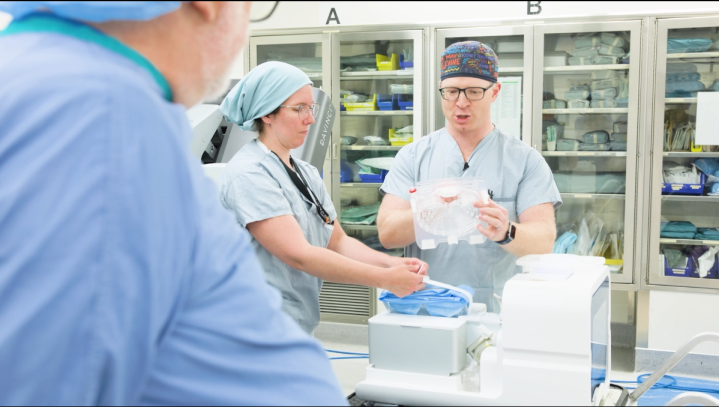
David Cliplef, who had been living with kidney failure for four years and relying on dialysis, is a testament to the technology's success. He received a kidney from a deceased donor that was transported using the XVIVO system. "This technology helps reduce the amount of injury and actually helps them recover faster," said Levine. Cliplef underwent a minimally invasive surgery aided by robots and experienced a remarkably swift recovery. "I was up and walking within a few days and out of hospital at about seven, eight days," Cliplef shared. His kidney function improved dramatically, reaching 60 percent, which is considered normal, providing him with significantly more energy than he had while on dialysis.
This technology helps reduce the amount of injury and actually helps them recover faster.
Give Life Alberta reports that over 300 individuals are currently awaiting kidney transplants in Alberta. Dr. Levine emphasized the importance of adopting advanced medical solutions, stating, "With growing evidence behind it, we wanted to implement this for our patients so we jumped in head first." The successful integration of the XVIVO system, alongside robotic surgery, highlights the hospital's commitment to leveraging emerging technologies to enhance patient care and transplant outcomes.
I was up and walking within a few days and out of hospital at about seven, eight days.
DistantNews Editorial
Originally published by Global News in English. Translated, summarized, and contextualized by our editorial team with added local perspective. Read our editorial standards.
More Stories


From Our Blog

What Gets Lost (and Found) When News Is Translated

The Critical Role of Diaspora Media in Global News

What Travellers Should Know About Countries with Restricted Press

A Digital Nomad's Guide to Following Local News

How the Same Story Looks Different in Different Countries
