


King Crab Up 56%, Hairtail 29%: Seafood Prices Soar on Lower Catches and High Water Temperatures
Translated from Korean, summarized and contextualized by DistantNews.
At a glance
News
Sources not specified
Context piece
- Prices for key seafood items like king crab, hairtail, and snow crab have surged significantly in South Korea due to decreased catches and rising water temperatures.
- King crab prices rose 56% and hairtail prices increased 29% week-on-week, with other popular fish also seeing double-digit price hikes.
- The government plans to supply 8,000 tons of stockpiled seafood and increase subsidies for tax-exempt fuel to stabilize prices.
South Korea faces rising seafood prices as summer approaches, with significant increases reported for popular items like king crab, hairtail, and snow crab. The surge is attributed to a combination of declining fish catches, warming ocean temperatures, and increased fuel costs for fishermen.
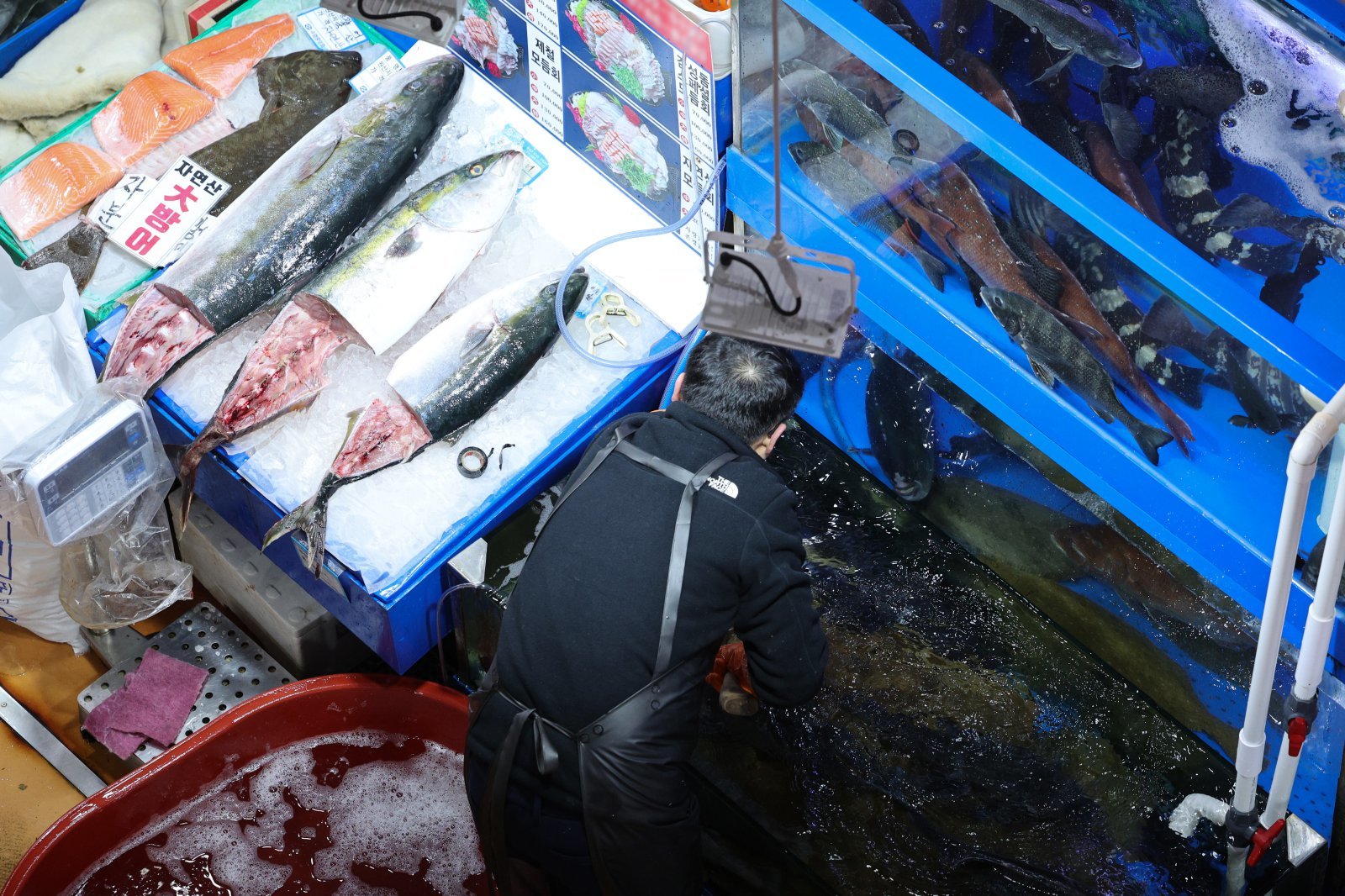
Data from the Noryangjin Fisheries Wholesale Market shows that the average wholesale price for king crab rose by 56.35% to 72,000 won per kilogram in the last week of May. Hairtail prices climbed 29.1% to 24,400 won, while snow crab saw a 28.18% increase to 37,300 won. Other popular fish, including octopus and various types of flounder, also experienced double-digit price hikes.
The decrease in catches is a major factor, with squid catches, for example, falling by 76.9% compared to the same period last year. Furthermore, the Korea Hydrographic and Oceanographic Administration forecasts that sea surface temperatures this summer will be at least 1.0°C higher than average, potentially leading to warnings for high temperatures and red tides.
In response, the Ministry of Maritime Affairs and Fisheries announced plans to release up to 8,000 tons of government-stockpiled seafood by June 15th. This supply includes pollock, mackerel, squid, and hairtail, which will be sold at prices up to 30-40% lower than market rates. The government is also increasing subsidies for tax-exempt diesel fuel for fishing vessels, raising the limit per liter from 138.4 won to 176.2 won until September.
Additionally, the ministry is boosting its budget for high-temperature resistant equipment for aquaculture farms and plans to support the development of more temperature-resilient fish species and encourage early harvesting of vulnerable species. These measures aim to mitigate the impact of rising costs and environmental challenges on the seafood supply chain.
DistantNews Editorial
Originally published by Dong-A Ilbo in Korean. Translated, summarized, and contextualized by our editorial team with added local perspective. Read our editorial standards.
More Stories


From Our Blog

What Gets Lost (and Found) When News Is Translated

The Critical Role of Diaspora Media in Global News

What Travellers Should Know About Countries with Restricted Press

A Digital Nomad's Guide to Following Local News

How the Same Story Looks Different in Different Countries
