

'Kingpin' of Fake Health Products Bribed Officials with $58,000 for Guidance Document
Translated from Vietnamese, summarized and contextualized by DistantNews.
At a glance
News
Sources not specified
In the courts
- A ringleader of a fake health product operation allegedly bribed former customs officials with 1.5 billion Vietnamese dong ($58,000 USD) to clear imported raw materials.
- The operation produced 88 types of counterfeit health products, generating over 264 billion dong ($10.3 million USD) in illicit profits.
- The case involves former officials from customs, health, and police departments, highlighting corruption in regulatory processes.
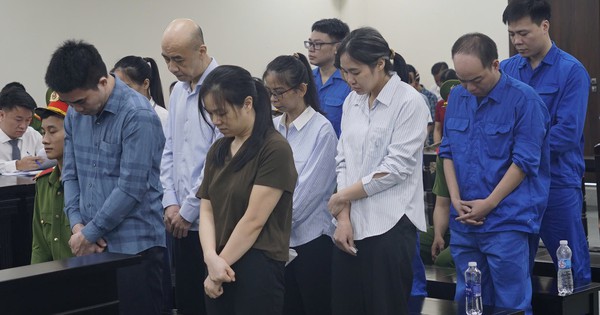
A man described as the 'kingpin' of a counterfeit health product ring allegedly paid 1.5 billion Vietnamese dong (approximately $58,000 USD) in bribes to former customs officials to facilitate the import of raw materials. The Hanoi People's Court is currently hearing the case involving the production of 88 types of fake health products by MediUSA Pharmaceutical Joint Stock Company and related businesses.
Nguyen Nang Manh, the former Chairman of MediUSA, and his accomplices are accused of illicitly profiting over 264 billion dong (about $10.3 million USD). The investigation revealed that the criminal activities were aided by former officials from customs, health, and police departments.
In 2023, four shipments of raw materials, valued at nearly 20 billion dong ($780,000 USD), were imported by Manh's group for manufacturing health products but were held up pending clearance. After failing to get a response through official channels, Manh contacted Nguyen Huu Tuan, a former deputy head of the Department of Customs Supervision and Management. Tuan, with the alleged approval of his superior Nguyen The Viet, a former deputy director of the same department, agreed to help.
Tuan allegedly arranged a deal with Manh for 1.5 billion dong, receiving an initial payment of 300 million dong ($11,700 USD). Tuan then passed this amount to Viet. Viet reportedly contacted an official at the Drug Administration of Vietnam under the Ministry of Health to expedite the issuance of guidance documents needed for customs clearance.
Shortly after, the guidance document was issued. Manh then paid the remaining 1.2 billion dong ($46,800 USD) to Tuan. Manh's employees used this document to retrieve the raw materials. Tuan claimed Manh initiated the payment discussion and that he only agreed to it. He also admitted to keeping 700 million dong ($27,300 USD) for himself, telling Viet that the company offered 800 million dong ($31,200 USD) and asking for an additional 100 million dong ($3,900 USD) as a 'brokerage fee.' Viet maintained that the money was a 'thank you' gift for helping the company resolve difficulties, not a bribe, and claimed he would have assisted even without payment.
DistantNews Editorial
Originally published by Thanh Niên in Vietnamese. Translated, summarized, and contextualized by our editorial team with added local perspective. Read our editorial standards.
More Stories

From Our Blog

What Gets Lost (and Found) When News Is Translated

The Critical Role of Diaspora Media in Global News

What Travellers Should Know About Countries with Restricted Press

A Digital Nomad's Guide to Following Local News

How the Same Story Looks Different in Different Countries
