

Korean Air develops 'Physical AI' drones for autonomous and swarm flight
Translated from Korean, summarized and contextualized by DistantNews.
At a glance
News
Sources not specified
Ongoing story
- Korean Air is developing next-generation unmanned aerial vehicles (UAVs) powered by
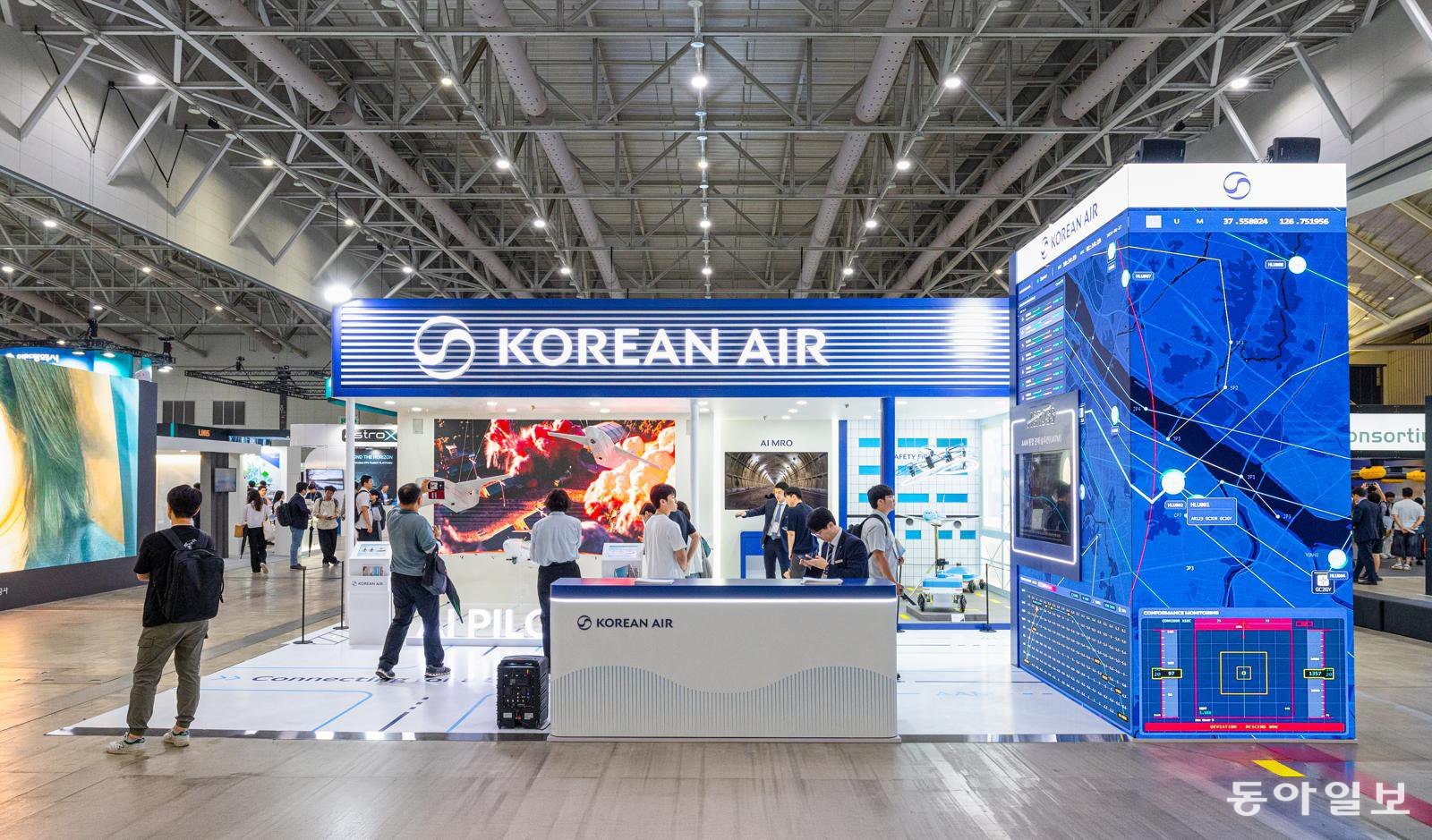
Korean Air is pioneering the development of advanced unmanned aerial vehicles (UAVs) equipped with "Physical AI." This technology allows the drones to autonomously perceive their surroundings, make decisions, and execute missions without direct human control. The company aims to create UAVs capable of independent operation and collaborative swarm flight.
The "Physical AI" system enables drones to interact with the real world through sensors and mechanical components. Korean Air is currently testing core technologies, including mission autonomy and swarm flight, on actual UAV platforms. Mission autonomy allows UAVs to formulate detailed operational plans and carry out tasks based solely on designated mission objectives, eliminating the need for individual aircraft control.
Swarm flight technology ensures that multiple UAVs can share real-time information about their positions and speeds, enabling them to avoid collisions and maintain formation. Key UAV models under development include the small cooperative UAV (KUS-FX), a transonic UAV target, and small and medium strike UAVs. This initiative positions Korean Air at the forefront of autonomous aerial technology.
DistantNews Editorial
Originally published by Dong-A Ilbo in Korean. Translated, summarized, and contextualized by our editorial team with added local perspective. Read our editorial standards.
More Stories


From Our Blog

What Gets Lost (and Found) When News Is Translated

The Critical Role of Diaspora Media in Global News

What Travellers Should Know About Countries with Restricted Press

A Digital Nomad's Guide to Following Local News

How the Same Story Looks Different in Different Countries
