

Korean doctors gather for first in-person conference in 7 years to discuss future of AI-driven, super-aged healthcare
Translated from Korean, summarized and contextualized by DistantNews.
At a glance
News
Named sources
Outcome reported
- The Korean Medical Association held its first fully in-person academic conference in seven years, focusing on future healthcare in the AI and super-aged society era.
- The event discussed medical policies, education, and AI utilization in response to rapid changes in healthcare.
- Key themes included AI as a supportive tool for clinicians, not a replacement, and the need for integrated healthcare systems for the elderly.
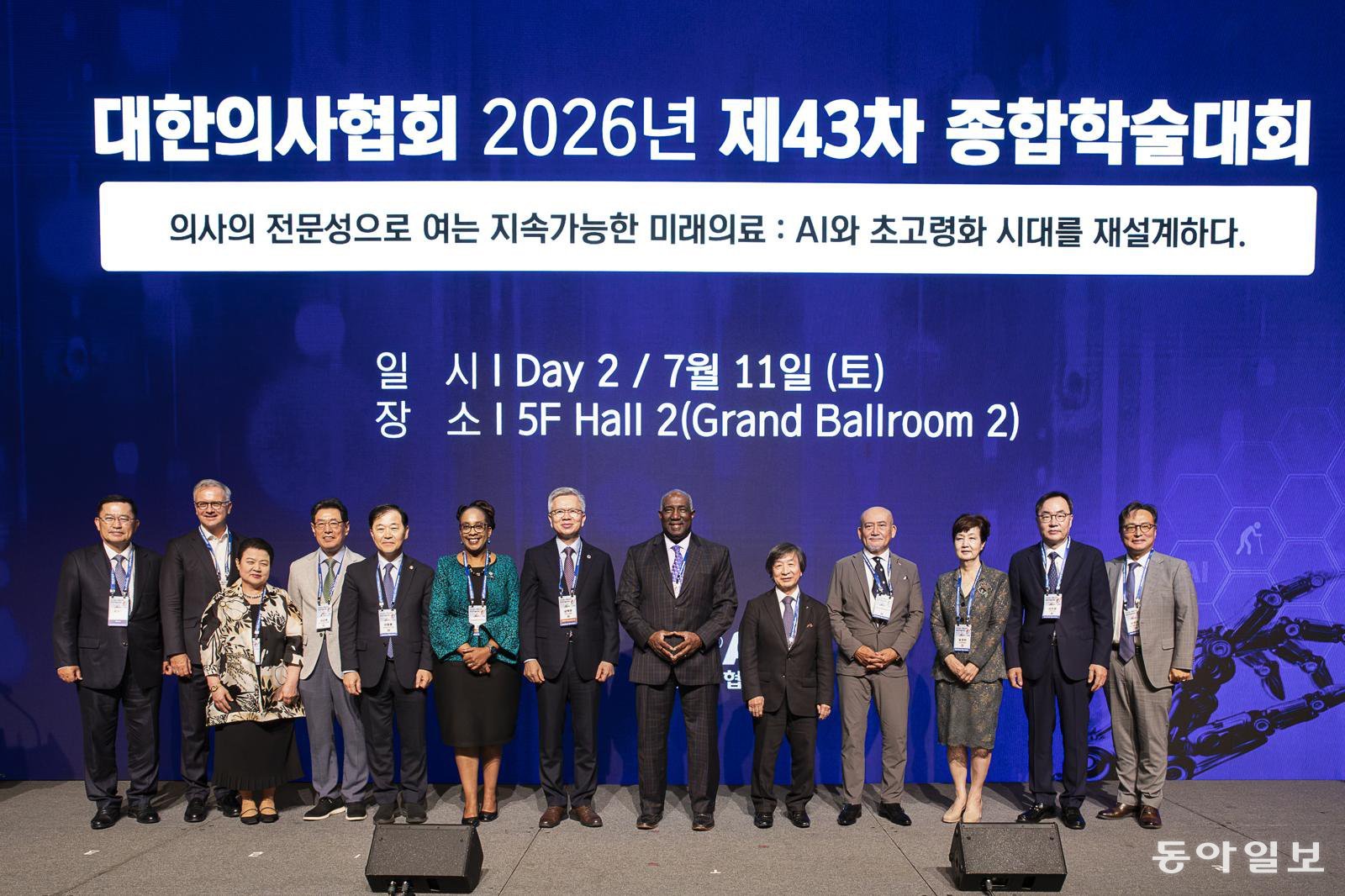
The Korean Medical Association (KMA) convened its 43rd General Academic Conference, marking a significant return to a fully offline format after a seven-year hiatus. Held in Seoul, the conference, themed 'Sustainable Future Healthcare Opened by Physician Expertise: Redesigning the Era of Artificial Intelligence and Super-Aged Society,' brought together domestic and international medical professionals.
Amidst the accelerating integration of generative AI into clinical practice and the growing demands of a super-aged society, the medical community faces critical challenges. These include reforming healthcare delivery systems, strengthening essential regional medical services, and cultivating a robust medical workforce. The conference served as a crucial platform to deliberate on forward-looking medical policies, educational reforms, and effective AI integration strategies.
Discussions highlighted AI's role not as a substitute for physicians, but as an indispensable tool to support clinical judgment in diagnosis and treatment. Participants emphasized that successful AI adoption requires not only technological prowess but also the establishment of clear standards for clinical validity, patient safety, data privacy, and ethical guidelines. Simultaneously, the imperative to adapt healthcare systems for an aging population was a central focus, with calls for policy support to reduce regional disparities and ensure sustainable care for elderly patients.
The KMA also presented four core agendas: AI-driven medical technology and digital health innovation; sustainable health policy and systemic improvements; medical education reform and self-regulation within the medical community; and restoring trust between the public and healthcare providers. The association, a leading medical organization in South Korea since its inception in 1908, aims for the conference's outcomes to drive tangible changes in medical practice, education, and policy.
DistantNews Editorial
Originally published by Dong-A Ilbo in Korean. Translated, summarized, and contextualized by our editorial team with added local perspective. Read our editorial standards.
More Stories



From Our Blog

What Gets Lost (and Found) When News Is Translated

The Critical Role of Diaspora Media in Global News

What Travellers Should Know About Countries with Restricted Press

A Digital Nomad's Guide to Following Local News

How the Same Story Looks Different in Different Countries
