

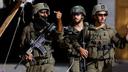

Kosovo: Excavation begins at potential mass grave site in north
Translated from Croatian, summarized and contextualized by DistantNews.
At a glance
News
Sources not specified
Ongoing story
- Forensic teams began excavating a potential mass grave in northern Kosovo on Thursday.
- The site may contain the remains of 23 intellectuals, doctors, and human rights activists who disappeared in April 1999.
- The search is part of ongoing efforts to locate missing persons from the 1990s war, with around 1,600 people still unaccounted for.
Forensic experts have commenced excavations at a site in northern Kosovo, searching for a potential mass grave that could hold the remains of approximately 23 individuals who have been missing since the 1990s war. Kosovo's Prime Minister, Albin Kurti, announced the development on Thursday.
The excavation is taking place in the village of Kaludri, located in the Zubin Potok municipality. According to Kurti's announcement on X, authorities hope to find the remains of 23 intellectuals, doctors, and human rights activists from Mitrovica who were abducted and have been considered missing since April 19, 1999. The discovery of human remains at the site was indicated earlier in the week, though details were not immediately disclosed.
The excavation of a mass grave has begun.
Prosecutor Blerim Isufaj informed the media during a visit to the site that it is "too early" to discuss results at this stage. He emphasized that identification processes require time and strict adherence to procedures, including DNA analysis for each body.
It is too early to talk about results at this stage.
The ongoing search for missing persons is complicated by the strained relations between Kosovo and Serbia, the latter of which has never recognized Kosovo's independence declared in 2008. Despite these challenges, a joint commission of Kosovo-Serbian experts convened for the first time in January in Brussels. This commission aims to foster cooperation between Belgrade and Pristina in locating mass grave sites.
Of the approximately 1,600 people still missing since the war, around 1,100 are ethnic Albanians, while about 500 are Serbs, Roma, or members of other minority groups. The war, fought between Serbian forces and Kosovo Albanian fighters from 1998 to 1999, resulted in an estimated 13,000 deaths, primarily civilians.
Identification requires time and adherence to strict procedures for finding and then identifying each body through DNA analysis.
DistantNews Editorial
Originally published by Večernji List in Croatian. Translated, summarized, and contextualized by our editorial team with added local perspective. Read our editorial standards.
More Stories

From Our Blog

What Gets Lost (and Found) When News Is Translated

The Critical Role of Diaspora Media in Global News

What Travellers Should Know About Countries with Restricted Press

A Digital Nomad's Guide to Following Local News

How the Same Story Looks Different in Different Countries
