

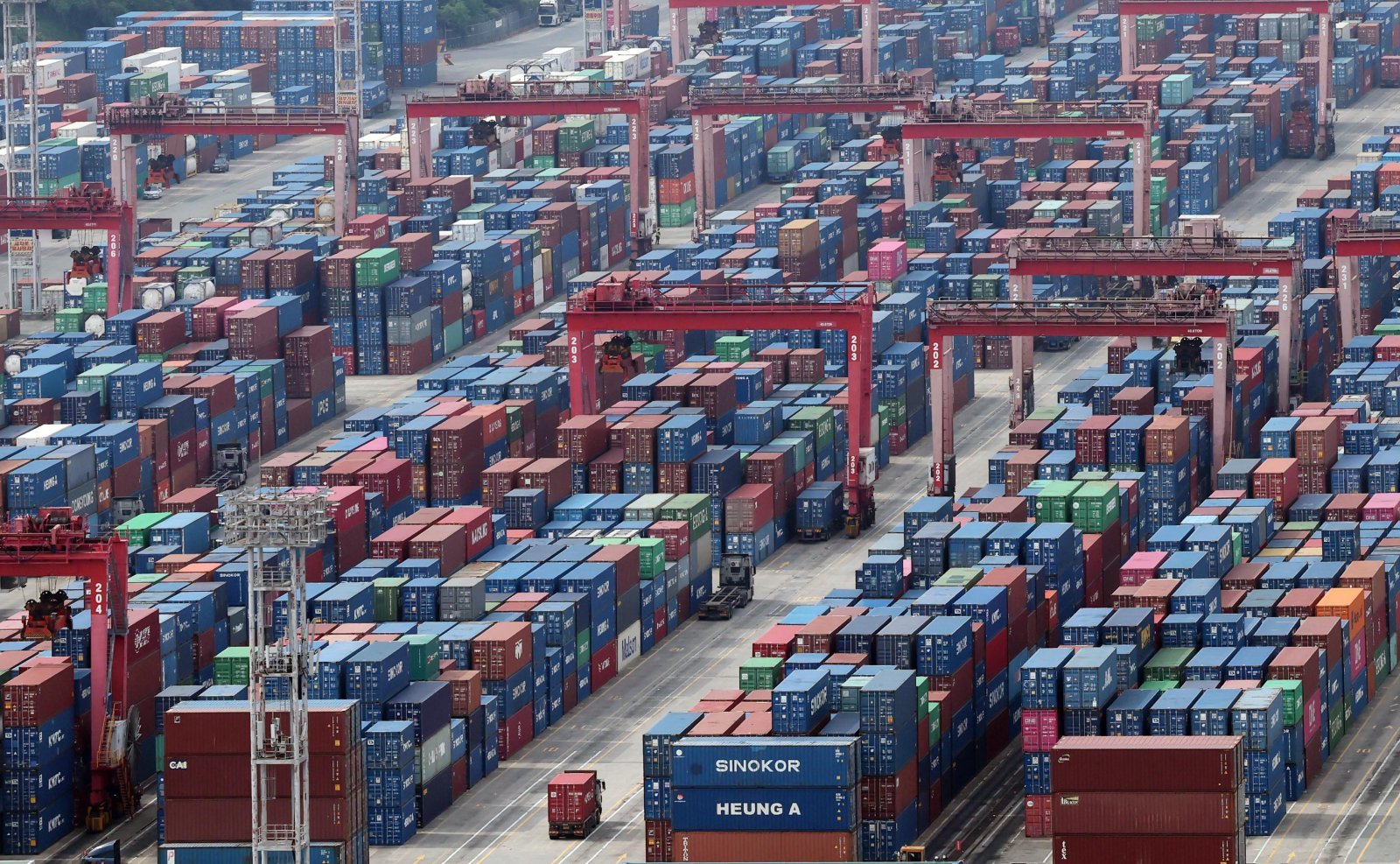

KOSPI Plunges on 'Black Monday' Amid U.S. Semiconductor Shock and Won's Fall Past 1,560
Translated from Korean, summarized and contextualized by DistantNews.
At a glance
News
Named sources
Context piece
- South Korea's KOSPI index plummeted, experiencing a 'Black Monday' due to a U.S. semiconductor shock and a weakening won.
- The won's exchange rate against the dollar surpassed 1,560, intensifying fears in the financial markets.
- The combination of external economic pressures has created significant anxiety within the Korean stock market.
South Korea's stock market was gripped by 'Black Monday' fears as the KOSPI index suffered a sharp decline. The downturn was primarily triggered by a significant shock in the U.S. semiconductor sector, a key industry for global technology, and a dramatic weakening of the South Korean won against the U.S. dollar.
The won's value against the dollar breached the critical 1,560 mark, a level that has historically signaled heightened financial market anxiety. This rapid depreciation of the currency exacerbates concerns about import costs and overall economic stability, adding pressure to an already volatile market.
The confluence of these external economic pressures, a slump in a vital U.S. industry and a rapidly depreciating currency, has created a palpable sense of fear among investors and market participants. The situation underscores the interconnectedness of global markets and South Korea's vulnerability to international economic fluctuations.
DistantNews Editorial
Originally published by Chosun Ilbo in Korean. Translated, summarized, and contextualized by our editorial team with added local perspective. Read our editorial standards.
More Stories


From Our Blog

What Gets Lost (and Found) When News Is Translated

The Critical Role of Diaspora Media in Global News

What Travellers Should Know About Countries with Restricted Press

A Digital Nomad's Guide to Following Local News

How the Same Story Looks Different in Different Countries
