


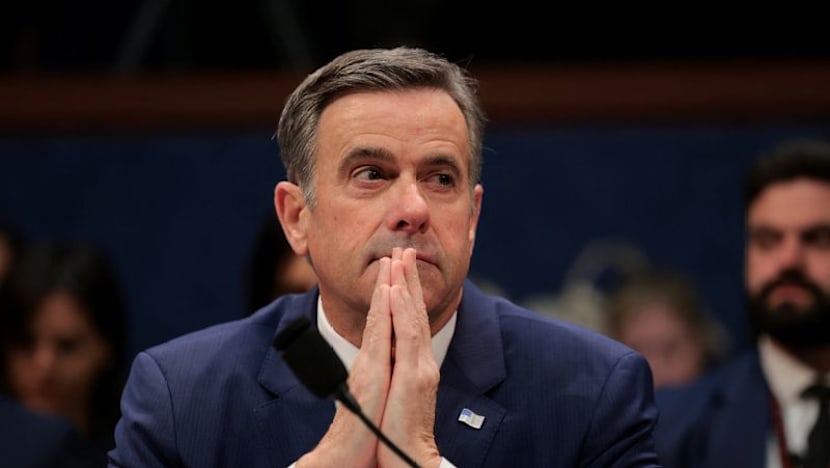
Kremlin: US spy chief met Russian counterparts in Moscow
Translated from English, summarized and contextualized by DistantNews.
At a glance
News
Named sources
Context piece
- CIA Director John Ratcliffe visited Moscow and met with Russian intelligence officials.
- The Kremlin stated Ratcliffe did not meet with Russian President Vladimir Putin.
- U.S. President Donald Trump described the visit as 'semi-routine' and potentially useful for ending the Ukraine war.
CIA Director John Ratcliffe held discussions with Russian intelligence officials during a recent visit to Moscow, the Kremlin confirmed Wednesday. While the meetings took place, Russian presidential spokesman Dmitry Peskov clarified that Ratcliffe did not meet with President Vladimir Putin.
All I can tell you is that there have been contacts via the security services. I can tell you that there have been no meetings with the Russian president. Naturally, President Putin is kept informed of everything without delay.
Peskov informed reporters that Putin was briefed on the outcome of the visit, which occurred amidst ongoing efforts to resolve the conflict in Ukraine and stalled negotiations between the U.S. and Iran. Details of the discussions were not disclosed by the Kremlin.
Now something may come ... out of it. We're working very hard to get that war ended.
U.S. President Donald Trump characterized Ratcliffe's trip as "semi-routine" in a radio interview, suggesting it could prove beneficial. "Now something may come ... out of it. We're working very hard to get that war ended," Trump stated, referring to the conflict in Ukraine.
None of the above. He's there, you know, very sort of semi-routine.
When asked about the potential impact of such high-level visits on strained U.S.-Russia relations, Peskov acknowledged that contacts between intelligence agencies can be positive, even during difficult periods. However, he cautioned that it remains too early to determine the extent to which these interactions might help improve the overall bilateral relationship, which he described as being in a "profound crisis."
These contacts often continue even during the most difficult periods in bilateral relations. Our president, incidentally, has spoken about this. However, it is still too early to say to what extent this will, overall, help to steer our bilateral relations out of the profound crisis in which they currently find themselves.
DistantNews Editorial
Originally published by CNA in English. Translated, summarized, and contextualized by our editorial team with added local perspective. Read our editorial standards.
More Stories


From Our Blog

What Gets Lost (and Found) When News Is Translated

The Critical Role of Diaspora Media in Global News

What Travellers Should Know About Countries with Restricted Press

A Digital Nomad's Guide to Following Local News

How the Same Story Looks Different in Different Countries
