


Kuwait budget: Searching for the fiscal breakeven oil price
Summarized and contextualized by DistantNews.
At a glance
News
Sources not specified
Context piece
- Kuwait needs an oil price of approximately $90.5 per barrel to balance its current budget, a level considered difficult to achieve amid global supply surpluses.
- The country has options to manage budget deficits, including selling global assets or using international borrowing markets, leveraging its substantial sovereign wealth funds and oil reserves.
- Kuwait must focus on developing non-oil income sources and improving efficiency within its oil industry to address long-term budget requirements driven by population growth and infrastructure needs.
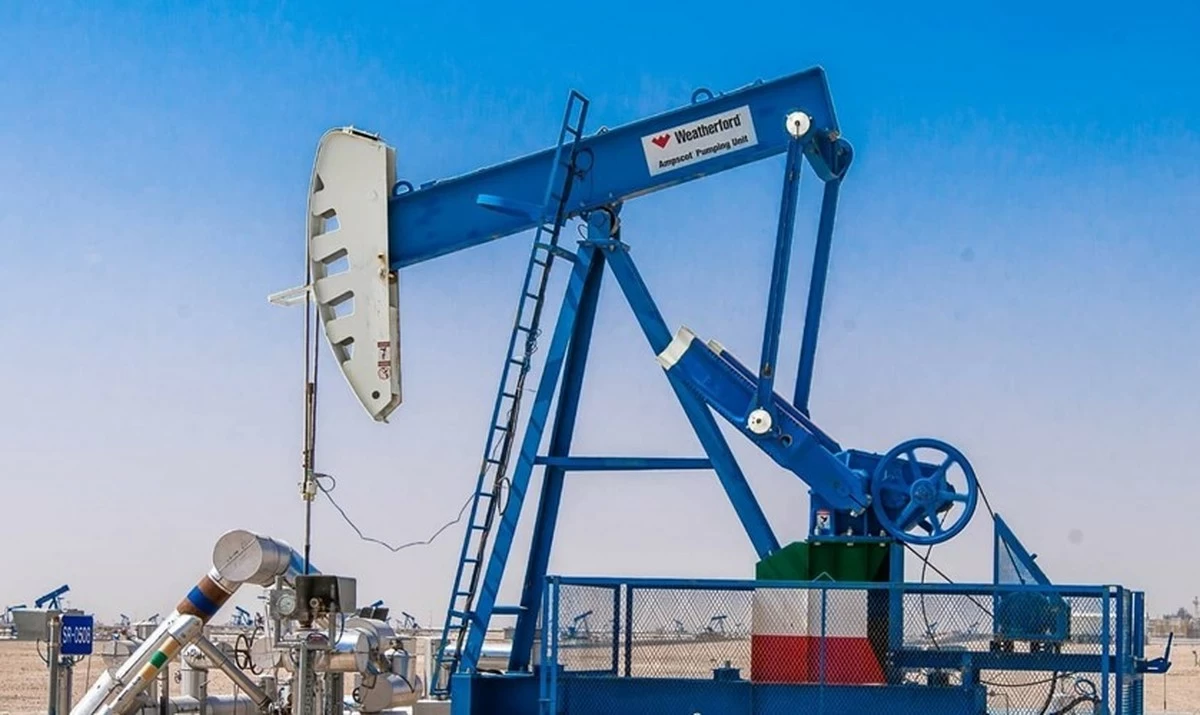
Kuwait's fiscal health is closely tied to oil prices, with the nation requiring approximately $90.5 per barrel to balance its current budget. This target is challenging given current market conditions, even with oil prices hovering around $89 per barrel, a level not seen in years. Geopolitical tensions, including the closure of the Strait of Hormuz and the conflict between the United States and Iran, have temporarily boosted prices by disrupting significant global oil supplies. However, overall crude oil production remains relatively stable, with the U.S. leading output.
To break even or balance the current year’s budget, we need an oil price of around $90.5 per barrel, which appears to be a very high and difficult to achieve.
Despite the high breakeven price, Kuwait possesses several strategies to navigate potential budget deficits. The country holds over $1 trillion in sovereign wealth funds and more than 70 billion barrels of crude oil reserves. These substantial assets provide a strong foundation for managing its finances. Options include divesting portions of its valuable global assets or tapping into international borrowing markets, which are likely to be receptive to Kuwait's financial standing.
Kamel Al-Harami, an oil expert, suggests that borrowing from international financial markets might be the simplest approach. Alternatively, Kuwait could consider monetizing parts of its natural assets, a strategy similar to that employed by Saudi Aramco. Such moves, if structured to preserve national control and strategic independence, would not compromise Kuwait's sovereignty or its decision-making autonomy.
Our choices are numerous, but borrowing from international financial markets may be the simplest and easier option.
Looking ahead, Kuwait faces increasing budget demands due to population growth and the need for infrastructure development. The nation acknowledges the necessity of finding alternative income streams beyond oil. While investing in the local and international oil industry remains an option, it ultimately relies on oil revenues, perpetuating the core challenge. Therefore, a strategic shift towards non-oil sources of income is crucial for long-term fiscal stability and addressing the needs of its growing population and the next generation.
Non-oil sources of income must and should be the answer.
DistantNews Editorial
Originally published by Arab Times. Summarized and contextualized by our editorial team with added local perspective. Read our editorial standards.
More Stories


From Our Blog

What Gets Lost (and Found) When News Is Translated

The Critical Role of Diaspora Media in Global News

What Travellers Should Know About Countries with Restricted Press

A Digital Nomad's Guide to Following Local News

How the Same Story Looks Different in Different Countries
