

Kuwait grid holds firm in blistering 49°C heat
Summarized and contextualized by DistantNews.
At a glance
News
Named sources
Context piece
- Kuwait's Ministry of Electricity, Water and Renewable Energy maintained grid stability during 49°C heat, exceeding 15,000 megawatts load.
- Grid stability resulted from completed maintenance, precautionary measures, and operational flexibility with most units running.
- Energy conservation efforts and reduced factory operations also eased pressure on the electrical network.
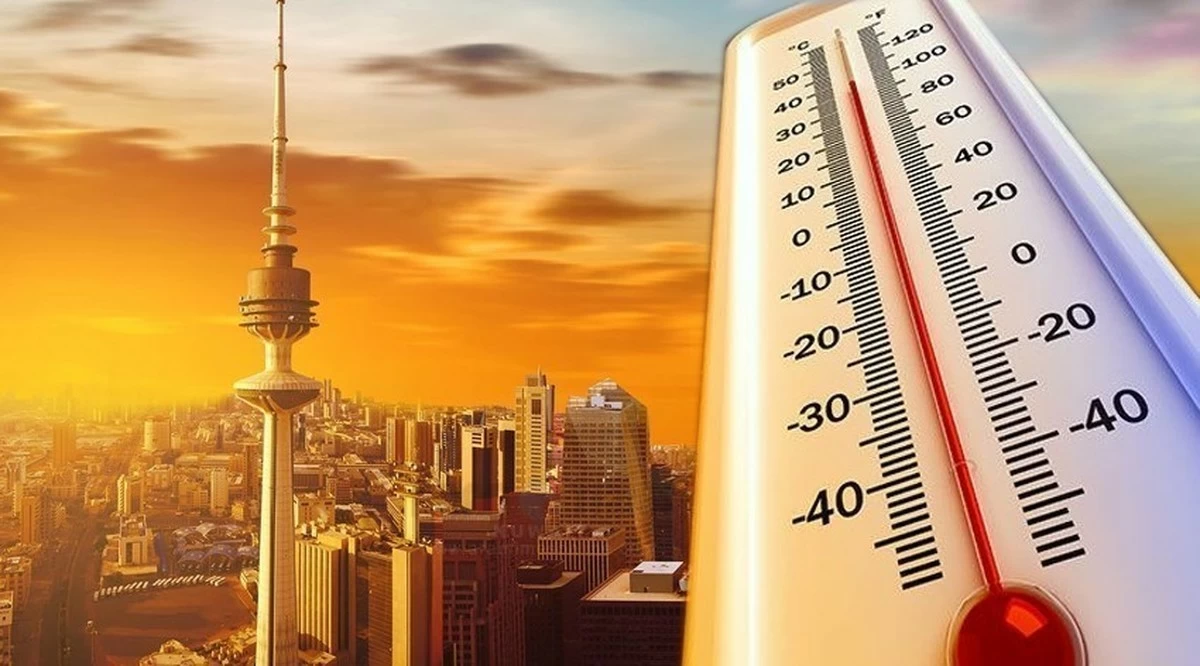
Kuwait's electrical grid withstood extreme heat, reaching 49 degrees Celsius and a load index above 15,000 megawatts, according to the Ministry of Electricity, Water and Renewable Energy. Ministry sources confirmed the grid's stability, attributing it to the full readiness of the production system following routine maintenance and the implementation of summer preparedness measures.
the majority of the generating units are operating and available to support the grid.
Officials now possess greater flexibility in managing electricity demand, as most generating units are operational and available to support the grid. The ministry also noted that reduced official working hours during summer, from seven to six hours, helped lower electricity consumption during peak periods.
Energy conservation initiatives and a voluntary reduction in operating capacity by some factories during peak hours further eased pressure on the network. Despite loads exceeding 15,000 megawatts, generation levels consistently matched consumption, ensuring stability. The ministry continues to leverage the Gulf electrical interconnection network to bolster national grid resilience and emergency response capabilities.
energy conservation efforts, along with some factories reducing their operating capacity during peak hours, helped ease pressure on the electrical network.
The Ministry urged consumers to persist in conserving electricity and water, limiting usage to essential needs to prevent waste. These efforts are crucial for maintaining electrical system stability throughout the summer. Meanwhile, the Meteorological Department forecasts extremely hot days and warm nights, with Friday expected to bring hot, dry weather and dust-raising winds, potentially reducing visibility.
continue conserving electricity and water and to limit usage to actual need in order to avoid waste and unnecessary consumption.
DistantNews Editorial
Originally published by Arab Times. Summarized and contextualized by our editorial team with added local perspective. Read our editorial standards.
More Stories



From Our Blog

What Gets Lost (and Found) When News Is Translated

The Critical Role of Diaspora Media in Global News

What Travellers Should Know About Countries with Restricted Press

A Digital Nomad's Guide to Following Local News

How the Same Story Looks Different in Different Countries
