


Kuwait Intercepts Seven Ballistic Missiles Over Residential Areas
Translated from English, summarized and contextualized by DistantNews.
At a glance
News
Official statement
New plan
- Kuwait's armed forces intercepted seven hostile ballistic missiles detected entering the country's airspace early on June 6.
- The missiles were intercepted over residential areas, causing material damage but no casualties, according to the Ministry of Defense.
- Kuwait labeled the incident a "criminal aggression" attributed to Iranian sources and stated its military remains on high alert to protect national security.
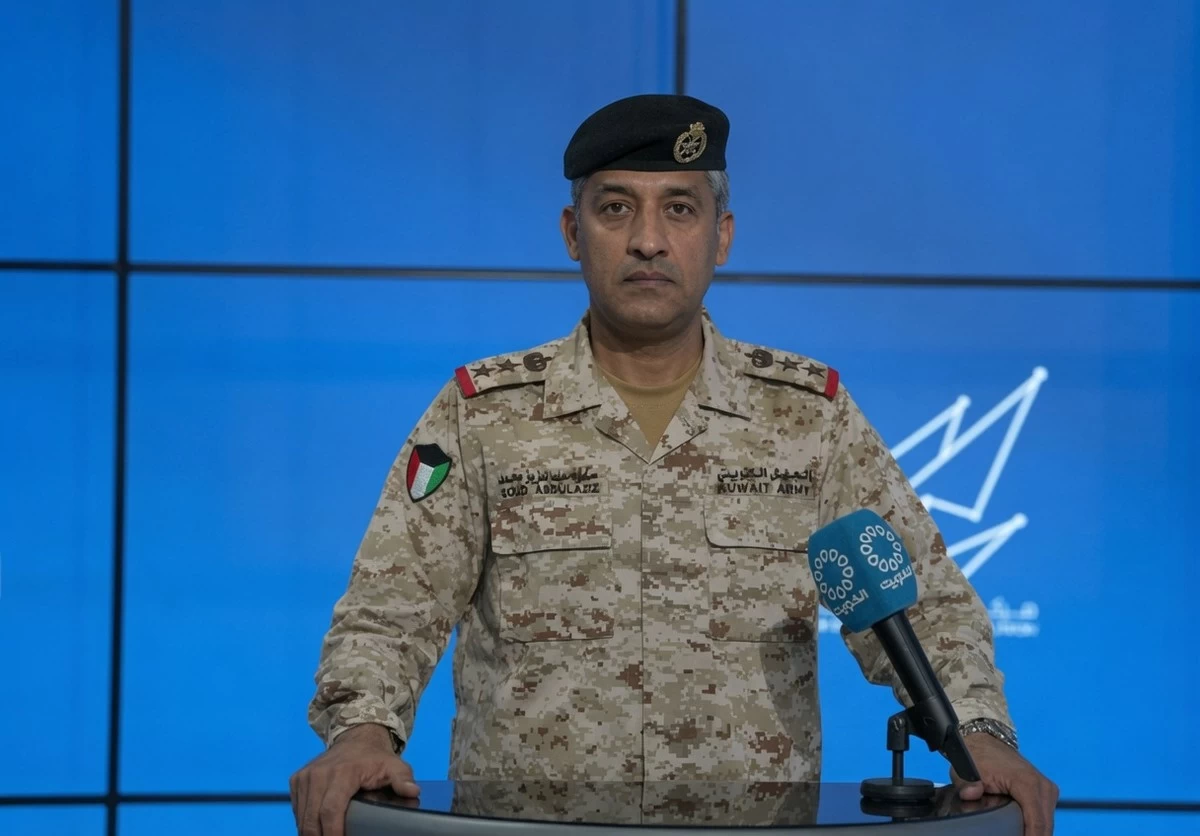
Kuwait's Ministry of Defense announced that its armed forces successfully intercepted seven ballistic missiles that entered the nation's airspace at dawn on June 6. The official spokesperson, Brigadier General Saud Abdulaziz Al-Otaibi, confirmed the detection and response to the hostile projectiles.
The intercepted missiles fell in various residential areas, resulting in material damage but no reported human casualties. The Ministry of Defense characterized the event as a "criminal aggression," directly attributing responsibility to Iranian sources. Emergency and defense protocols were immediately activated to manage the situation and ensure civilian safety.
The armed forces detected and responded at dawn today to seven hostile ballistic missiles that entered Kuwaiti airspace.
Kuwait's military reaffirmed its readiness and commitment to safeguarding national security. The armed forces stated they are performing their duties with high efficiency and preparedness, dedicated to protecting citizens and residents and maintaining stability across the country. They emphasized their continuous alert status to counter any threats against Kuwait's sovereignty and public safety.
The Ministry described the incident as a “criminal aggression,” attributing responsibility to Iranian sources, and noted that emergency and defense protocols were activated immediately to contain the situation and protect civilians.
DistantNews Editorial
Originally published by Arab Times in English. Translated, summarized, and contextualized by our editorial team with added local perspective. Read our editorial standards.
More Stories



From Our Blog

What Gets Lost (and Found) When News Is Translated

The Critical Role of Diaspora Media in Global News

What Travellers Should Know About Countries with Restricted Press

A Digital Nomad's Guide to Following Local News

How the Same Story Looks Different in Different Countries
