


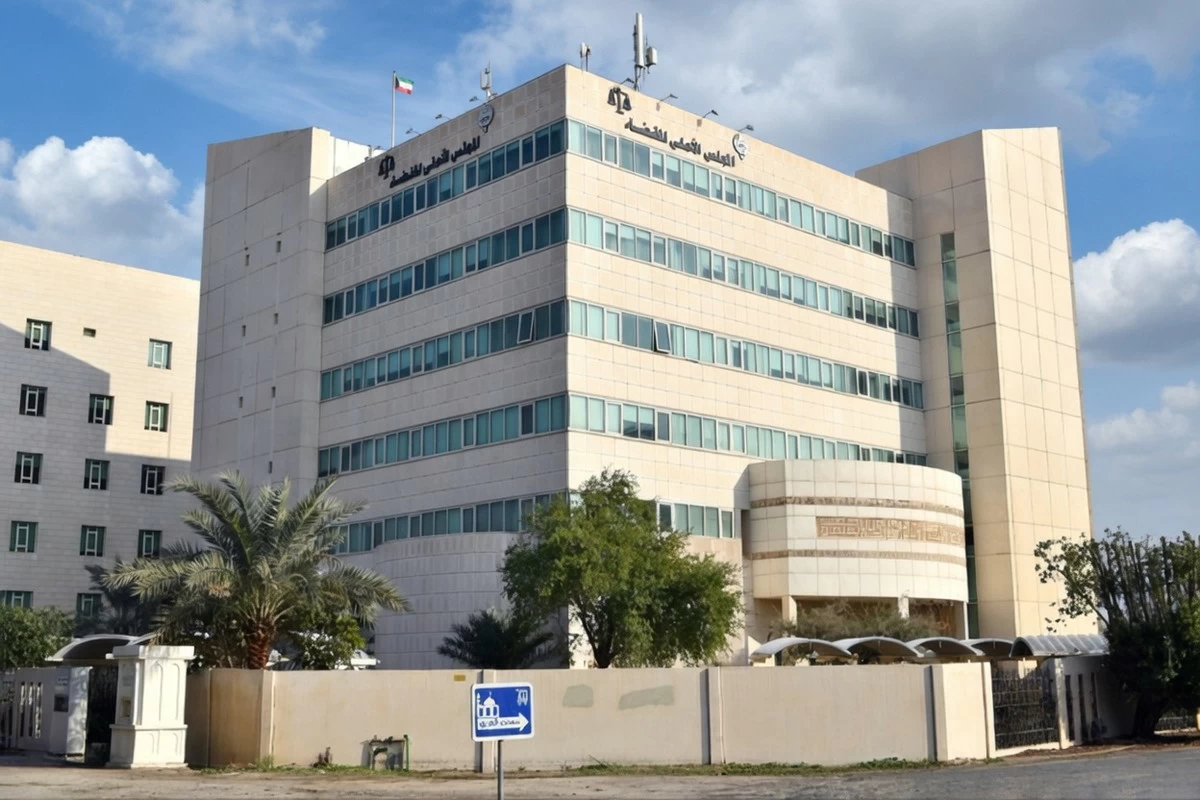
Kuwait Overhauls Juvenile Law to Boost Judicial Efficiency
Translated from English, summarized and contextualized by DistantNews.
At a glance
News
Official statement
New plan
- Kuwait has amended its Juvenile Law to enhance judicial efficiency and reduce case delays, particularly in juvenile courts and appellate circuits.
- The changes allow for more flexible formation of juvenile courts, requiring three judges and two social work experts, with mandatory attendance for experts.
- Amendments to the Juvenile Appellate Circuit aim to overcome difficulties in forming panels due to rank restrictions, ensuring faster adjudication while maintaining judicial quality.
Kuwait has enacted amendments to its Juvenile Law, aiming to streamline the judicial process and expedite cases involving minors. Published in the Official Gazette Kuwait Alyoum under Decree-Law No. 70 of 2026, these changes modify key provisions of the 2015 Juvenile Law.
The amendments introduce greater flexibility in establishing Juvenile Courts within the Court of First Instance. These courts will now comprise three judges and require the assistance of two social work experts. The experts' attendance at trial proceedings is mandatory, and they must thoroughly assess the juvenile's social, psychological, and family circumstances before submitting a report to the court.
Significant adjustments have also been made to the Juvenile Appellate Circuit. Previously, this circuit required a counselor to head it, with members holding the rank of court agent. These strict rank requirements often led to difficulties in forming appellate panels, causing delays. The revised law allows for a judge of at least the rank of a court agent to head the circuit, along with two other judges. This reorganization aims to maintain judicial hierarchy while enabling faster case processing and ensuring the quality of judicial decisions.
DistantNews Editorial
Originally published by Arab Times in English. Translated, summarized, and contextualized by our editorial team with added local perspective. Read our editorial standards.
More Stories


From Our Blog

What Gets Lost (and Found) When News Is Translated

The Critical Role of Diaspora Media in Global News

What Travellers Should Know About Countries with Restricted Press

A Digital Nomad's Guide to Following Local News

How the Same Story Looks Different in Different Countries
