


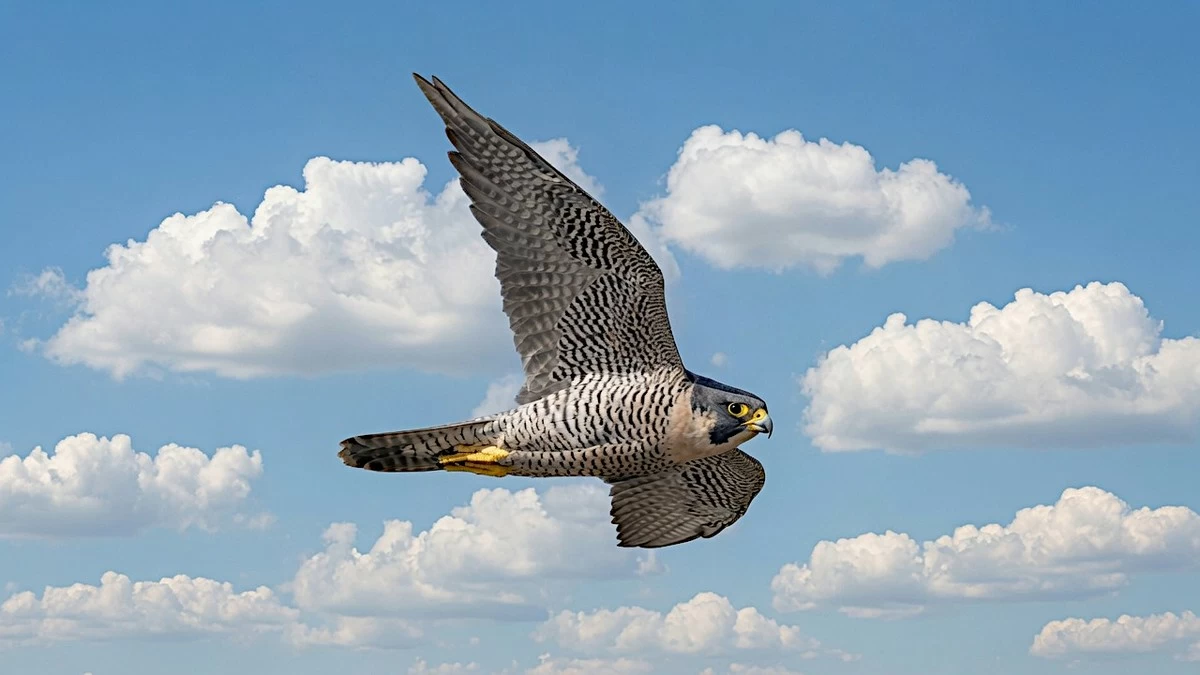
Kuwait produces first homebred peregrine falcon
Summarized and contextualized by DistantNews.
At a glance
News
Named sources
New plan
- Kuwaiti falconers have successfully bred the first peregrine falcon in the country using artificial insemination.
- The project, which began 10 years ago, aims to preserve and develop strong falcon breeds.
- Future plans include expanding the project to produce 50 to 60 birds annually.
Kuwaiti falconers have achieved a significant milestone, successfully breeding the country's first peregrine falcon using artificial insemination techniques. This breakthrough marks a new chapter for falconry in Kuwait after a decade of dedicated preparation and research.
The initiative, spearheaded by falconers like Salem Al-Sahloul, began approximately ten years ago. It involved studying falcon breeding practices in other Gulf countries and Europe. The implementation of artificial insemination in Kuwait commenced two years ago, culminating in the successful hatching at the Al-Sahliya Center.
Al-Sahloul expressed optimism about the project's future, revealing plans to expand production to 50 to 60 birds annually. Falconer Fahad Al-Awadhi emphasized that successful falcon production extends beyond the breeding process itself. It requires meticulous selection of distinguished bloodlines and genetic traits that meet the high expectations of breeders and falconry competition participants.
The project's overarching goal is to preserve and enhance robust falcon breeds through scientifically based practices and long-term development strategies. Al-Awadhi highlighted a specific falcon within the project, classified as an 'Imprinted Parent.' This falcon was raised from hatching with specialized human care, preparing it for future breeding. Produced from an imprinted female and male, this classification ensures its suitability for upcoming breeding programs and mating processes.
While the current focus is on peregrine falcons, the project also aims to breed gyrfalcons and saker falcons as part of its broader conservation and development efforts.
Raised from hatching through the same specialized approach, this classification makes the bird suitable for future breeding programs and enables its use in mating processes aimed at producing new generations of falcons in the coming years.
DistantNews Editorial
Originally published by Arab Times. Summarized and contextualized by our editorial team with added local perspective. Read our editorial standards.
More Stories

From Our Blog

What Gets Lost (and Found) When News Is Translated

The Critical Role of Diaspora Media in Global News

What Travellers Should Know About Countries with Restricted Press

A Digital Nomad's Guide to Following Local News

How the Same Story Looks Different in Different Countries
