


Kuwait to Fully Kuwaitize Judicial Support Roles by 2026
Translated from English, summarized and contextualized by DistantNews.
At a glance
News
From a news agency
New plan
- Kuwait plans to fully Kuwaitize judicial support positions by the end of 2026.
- The initiative aims to increase national talent within the justice system and ensure operational sustainability.
- The first phase involves replacing 54 non-Kuwaiti employees starting in November after training Kuwaiti replacements.
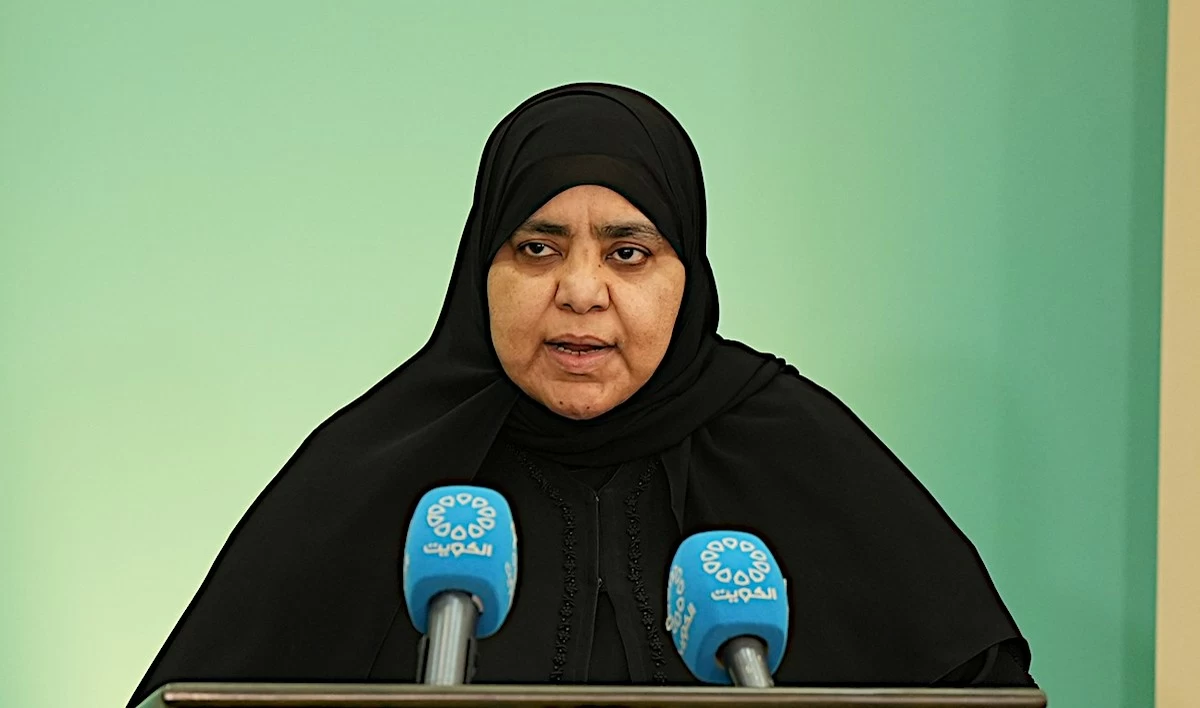
Kuwait is set to fully Kuwaitize its judicial support positions by the end of 2026, announced Awatif Al-Sanad, Undersecretary of the Ministry of Justice (MoJ). This strategic move aims to bolster the presence of national talent within the justice system and guarantee the long-term sustainability of ministry operations.
Kuwait plans the full Kuwaitization of judicial support positions by the end of 2026 as part of efforts to increase reliance on national talent within the justice system and ensure the sustainability of ministry operations.
The initial phase of this plan targets support roles directly connected to court proceedings, including judicial files, procedures, and case data. Positions such as court clerks, legal researchers, and administrative coordinators at Kuwait's primary courts, the Court of First Instance, Court of Appeal, Court of Cassation, and Constitutional Court, are included. The selection of roles depends on the operational needs and specific duties within each department.
The positions targeted in this phase include court clerks, legal researchers and administrative coordinators, based on the operational needs of each department and the nature of their work.
As part of this first phase, the ministry will terminate the contracts of 54 non-Kuwaiti employees beginning in November. This transition will occur after Kuwaiti nationals have completed the necessary training and qualification to assume these responsibilities. Al-Sanad stated that this action aligns with directives from His Highness the Amir Sheikh Meshal Al-Ahmad Al-Jaber Al-Sabah to prioritize Kuwaitization in the judiciary and follows instructions from Minister of Justice Counselor Nasser Al-Sumait.
As part of the first phase, the ministry will terminate the contracts of 54 non-Kuwaiti employees starting in November after completing the training and qualification of Kuwaiti replacements to assume these duties.
Over the past 18 months, the MoJ has meticulously identified targeted positions, assessed staffing requirements in judicial support departments, and developed a national workforce pipeline. This ensures the transition is driven by genuine readiness rather than mere symbolic replacement. The plan's implementation in two phases is designed to facilitate a gradual and organized shift, maintaining the efficiency of court operations and ensuring a smooth transfer of duties to Kuwaiti staff. The second phase will proceed based on departmental readiness and evolving operational needs.
This ensures the transition is based on genuine readiness rather than symbolic replacement.
DistantNews Editorial
Originally published by Arab Times in English. Translated, summarized, and contextualized by our editorial team with added local perspective. Read our editorial standards.
More Stories



From Our Blog

What Gets Lost (and Found) When News Is Translated

The Critical Role of Diaspora Media in Global News

What Travellers Should Know About Countries with Restricted Press

A Digital Nomad's Guide to Following Local News

How the Same Story Looks Different in Different Countries
